
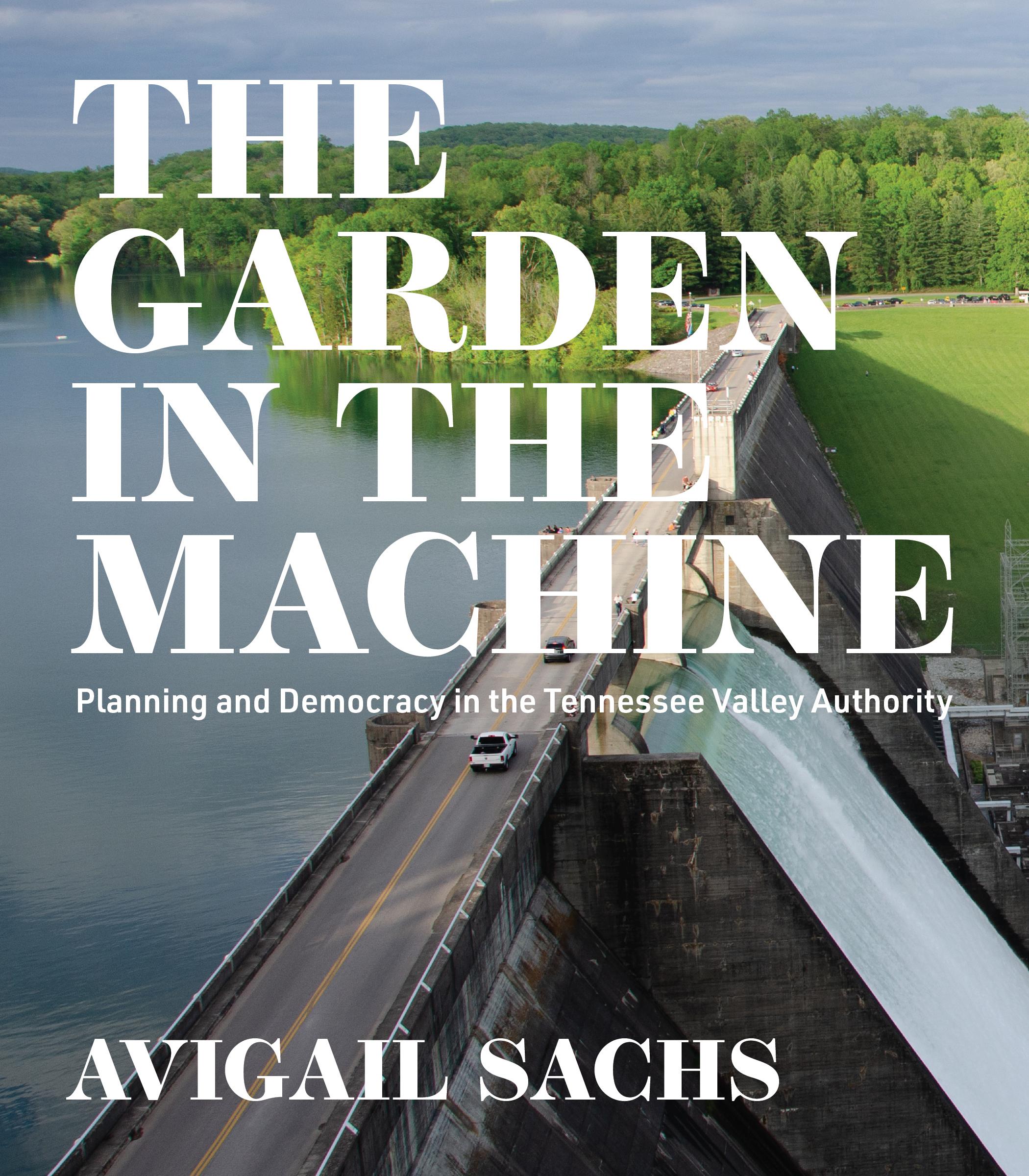
The Tennessee Valley Authority was the largest single agency created under the auspices of the New Deal legislation. Until 1933, when the project was initiated, the Tennessee Valley was known romantically as "a region of untapped potential" and, less romantically, as one of the most impoverished and isolated areas of the country. The TVA was responsible for three large-scale environmental projects–the river, land, and power machines–but the project also had social, even utopian, goals. In service to the latter, the TVA put together a cadre of regional planners, architects, and landscape architects that Avigail Sachs calls the "atelier TVA." These professionals contributed to the design of the system of multipurpose dams, arranged visitor centers and scenic routes, built housing and communities (although both were segregated), and instigated a regional recreation industry. In addition to its planning and design history audience, this volume will be of interest to environmental historians and historians of the Progressive Era.
Publication of this volume was assisted by a grant from Furthermore: a program of the J. M. Kaplan Fund.
Pay easily by card, Klarna, Apple Pay or Google Pay. Not happy? You always have a 14-day money-back guarantee. Read more in our terms. If you have any questions, email us at hello@memmo.org.
Memmo makes studying easier – wherever you are in the world. We bring your course books and smart study tools together in one place: summaries, quizzes, podcasts and flashcards. Plus Ted, your study buddy who answers anything you wonder. Over 50,000 students already study here – built to help you learn faster and stress less.