
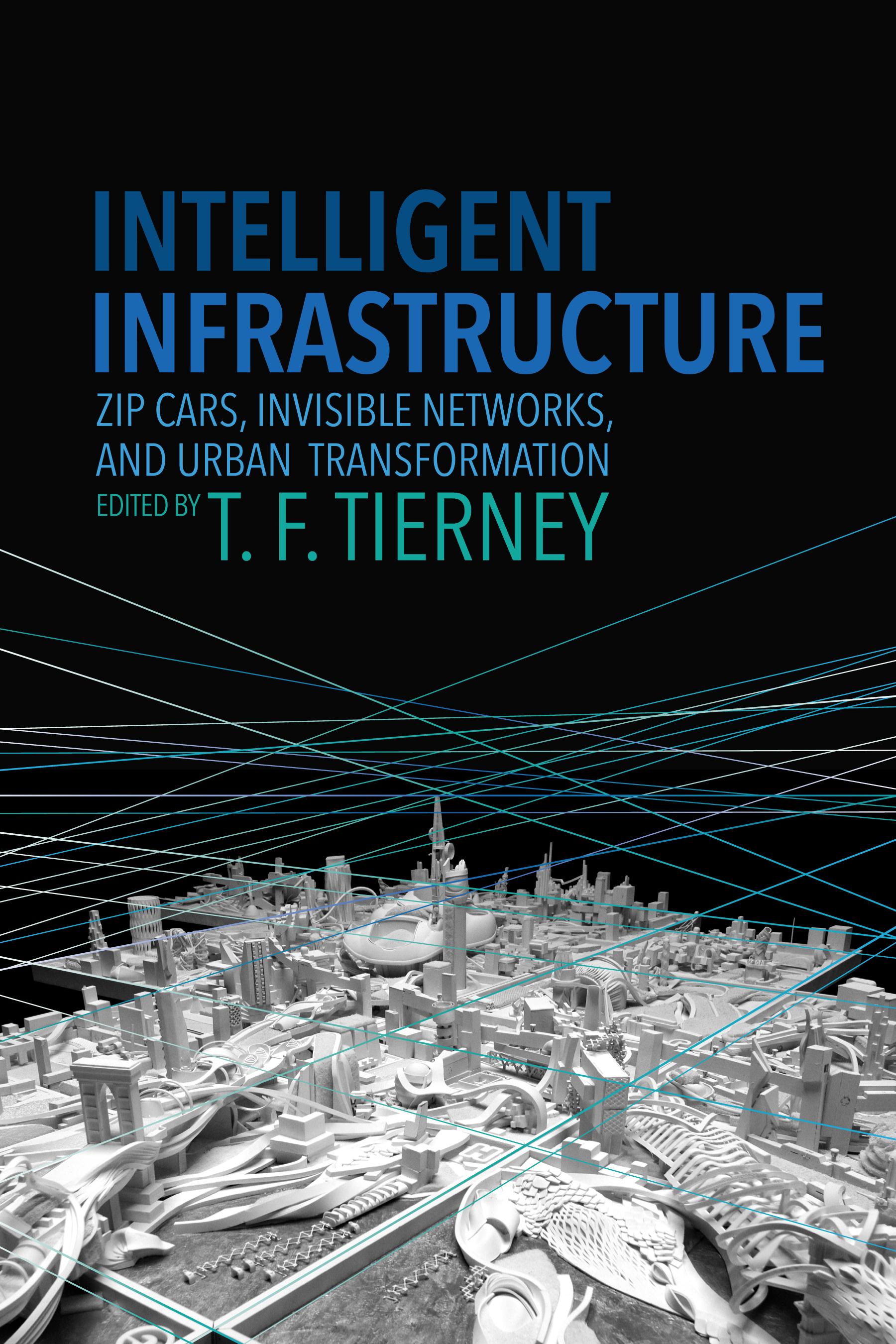
While many of its traditional elements, such as roads and utilities, do not change, urban infrastructure is undergoing a fascinating and necessary transformation in the wake of new information and communication technologies. This volume brings together many of the most important new voices in the fields impacting modern urban infrastructure to explore this revolutionary change in the city.
Increasingly, it is connective systems rather than built forms that bind a city together. Intelligent infrastructure confers upon a city previously unimagined levels of adaptability, with mobile telephony serving to organize people and events on the move and in real time. Beginning with a consideration of invisible networks—the sociohistorical systems that contribute to and constitute urbanity—the essays collected here examine a variety of actual tools, from handheld devices to autonomous vehicles, within a fully networked built environment: the smart city.
This book argues that knowledge of both the visible and invisible components--information, energy, sustainability, transportation, housing, and social practices--are critical to understanding the urban environment. The dynamic and diverse cast of contributors includes Mitchell Schwarzer, Frederic Stout, Anthony Townsend, Carlo Ratti of the MIT SENSEable City Lab, Mitchell Joachim of Terreform ONE, and many other innovators who are changing the urban landscape.
Pay easily by card, Klarna, Apple Pay or Google Pay. Not happy? You always have a 14-day money-back guarantee. Read more in our terms. If you have any questions, email us at hello@memmo.org.
Memmo makes studying easier – wherever you are in the world. We bring your course books and smart study tools together in one place: summaries, quizzes, podcasts and flashcards. Plus Ted, your study buddy who answers anything you wonder. Over 75,000 students already study here – built to help you learn faster and stress less.