
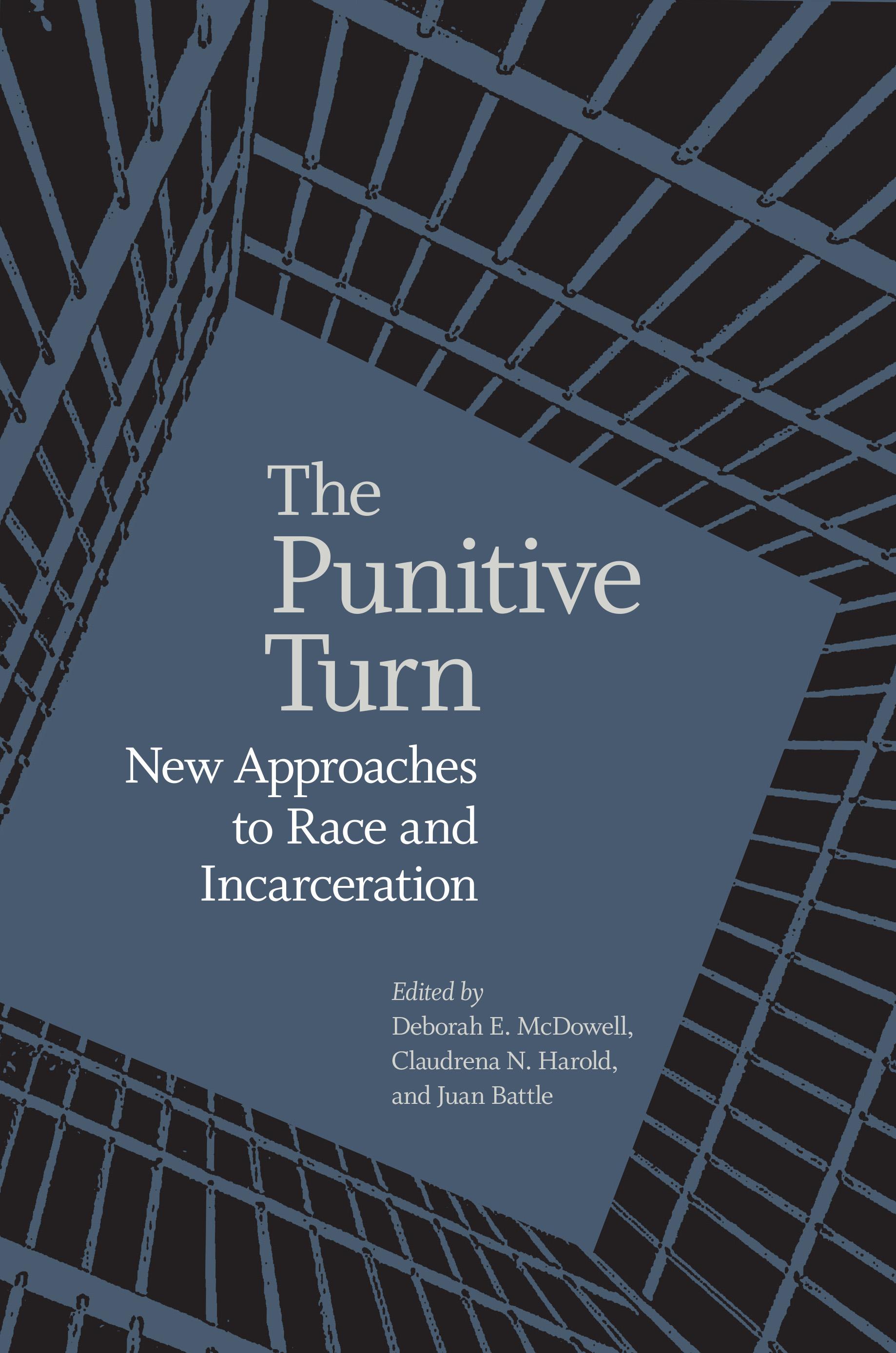
The Punitive Turn explores the historical, political, economic, and sociocultural roots of mass incarceration, as well as its collateral costs and consequences. Giving significant attention to the exacting toll that incarceration takes on inmates, their families, their communities, and society at large, the volume’s contributors investigate the causes of the unbridled expansion of incarceration in the United States. Experts from multiple scholarly disciplines offer fresh research on race and inequality in the criminal justice system and the effects of mass incarceration on minority groups' economic situation and political inclusion. In addition, practitioners and activists from the Sentencing Project, the Virginia Organizing Project, and the Restorative Community Foundation, among others, discuss race and imprisonment from the perspective of those working directly in the field. Employing a multidisciplinary approach, the essays included in the volume provide an unprecedented range of perspectives on the growth and racial dimensions of incarceration in the United States and generate critical questions not simply about the penal system but also about the inner workings, failings, and future of American democracy.
Contributors: Ethan Blue (University of Western Australia) * Mary Ellen Curtin (American University) * Harold Folley (Virginia Organizing Project) * Eddie Harris (Children Youth and Family Services) * Anna R. Haskins (University of Wisconsin–Madison) * Cheryl D. Hicks (University of North Carolina at Charlotte) * Charles E. Lewis Jr. (Congressional Research Institute for Social Work and Policy) * Marc Mauer (The Sentencing Project) * Anoop Mirpuri (Portland State University) * Christopher Muller (Harvard University) * Marlon B. Ross (University of Virginia) * Jim Shea (Community Organizer) * Jonathan Simon (University of California–Berkeley) * Heather Ann Thompson (Temple University) * Debbie Walker (The Female Perspective) * Christopher Wildeman (Yale University) * Interviews by Jared Brown (University of Virginia) & Tshepo Morongwa Chéry (University of Texas–Austin)
Pay easily by card, Klarna, Apple Pay or Google Pay. Not happy? You always have a 14-day money-back guarantee. Read more in our terms. If you have any questions, email us at hello@memmo.org.
Memmo makes studying easier – wherever you are in the world. We bring your course books and smart study tools together in one place: summaries, quizzes, podcasts and flashcards. Plus Ted, your study buddy who answers anything you wonder. Over 50,000 students already study here – built to help you learn faster and stress less.