
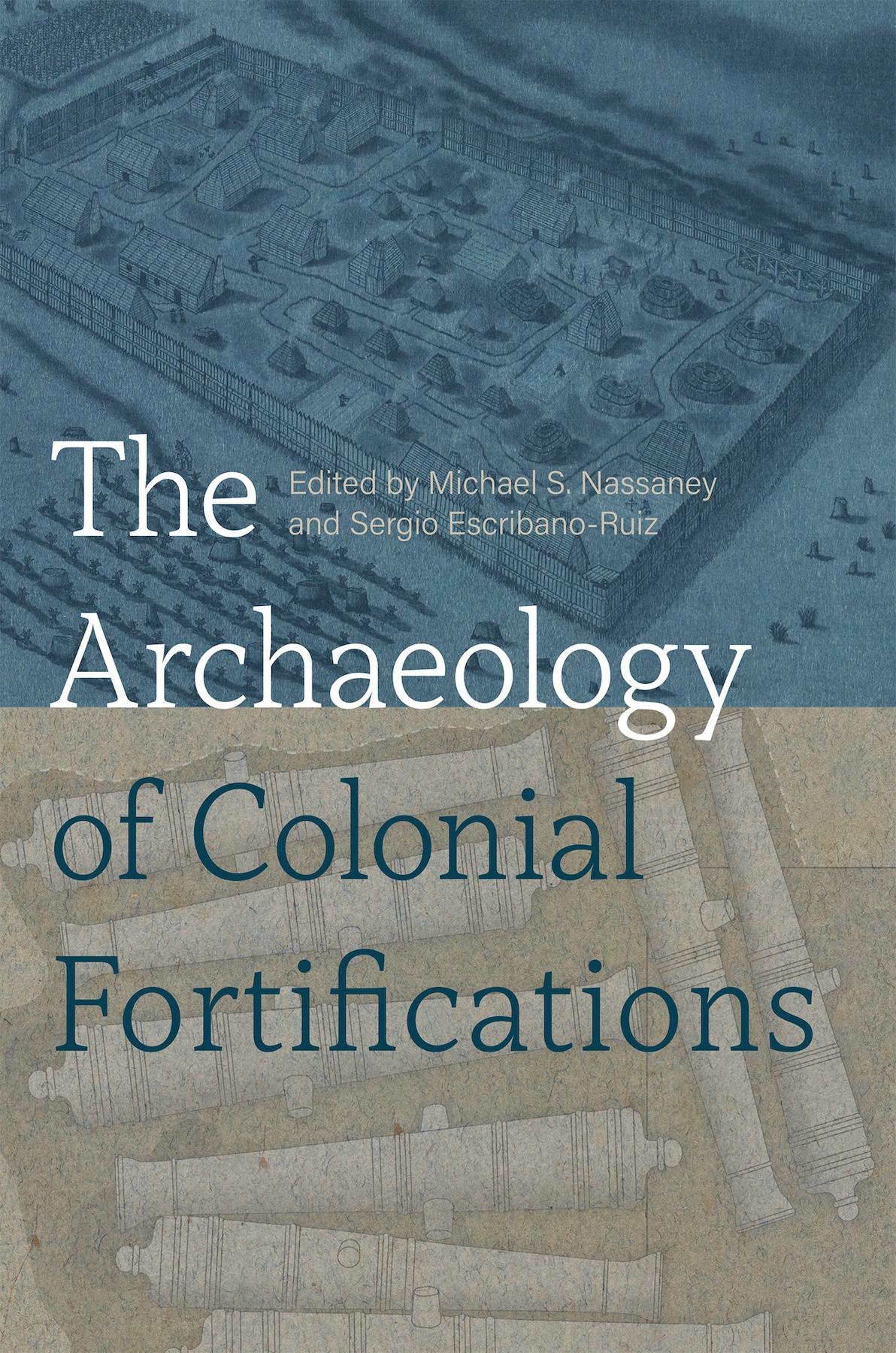
A global exploration of the many ways forts served as instruments of conquest and spaces of cultural exchange
European colonial fortifications were built to advance imperial ambitions and appropriate Native lands, yet their roles varied in different contexts based on factors such as environmental conditions, competition with rivals, and relations with Indigenous groups. This volume examines and compares forts constructed by Spanish, French, British, Portuguese, Dutch, and Russian empires across four continents from the sixteenth to nineteenth centuries.
Drawing on archaeological and documentary evidence, contributors explore how forts shaped colonial processes and the local landscape, emerging as a nexus of intersecting identities and a catalyst for social and political anxieties. They show that forts were meeting places for diverse ethnic and cultural groups as Europeans relied on local knowledge to navigate unfamiliar settings. Chapters also trace how forts have been represented and memorialized, from historical depictions to modern commemorations. These comparative studies of the lived experiences of colonizers and Indigenous peoples at fort sites demonstrate the many topics, themes, and issues informed by this heritage.
Pay easily by card, Klarna, Apple Pay or Google Pay. Not happy? You always have a 14-day money-back guarantee. Read more in our terms. If you have any questions, email us at hello@memmo.org.
Memmo makes studying easier – wherever you are in the world. We bring your course books and smart study tools together in one place: summaries, quizzes, podcasts and flashcards. Plus Ted, your study buddy who answers anything you wonder. Over 75,000 students already study here – built to help you learn faster and stress less.