
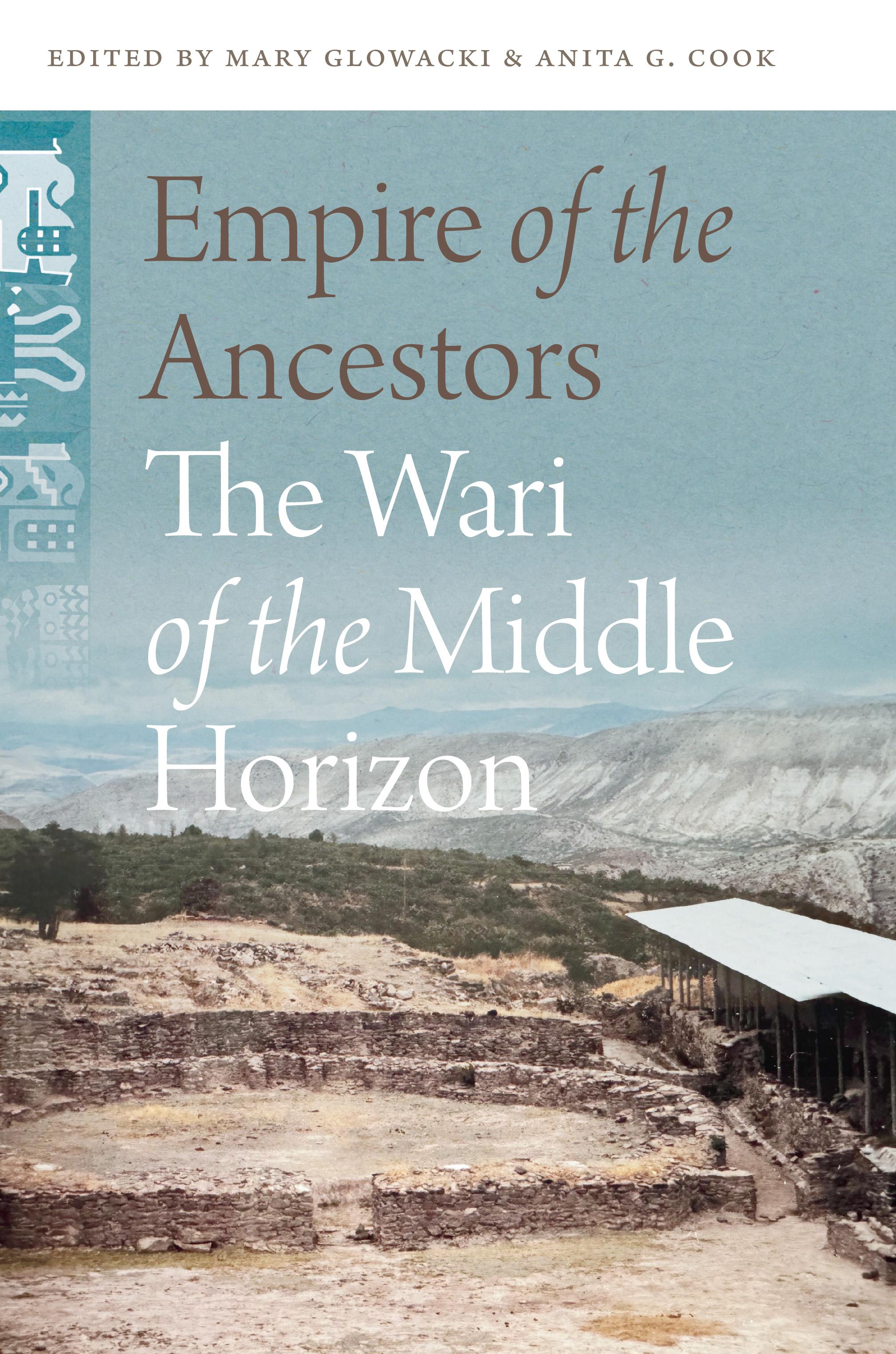
Uncovering evidence that ancestor veneration was deeply rooted in Wari society, shaping Wari expansion, rituals, and statecraft
This volume examines the central role of ancestors in Andean society during the Wari Empire of the Middle Horizon period (600–1000 CE), centuries before the rise of the Inca. As one of the earliest expansionist states in the Americas, the Wari laid the foundations of statecraft later adopted by the Inca. Their imperial growth was shaped by environmental changes linked to the El Niño cycle, which brought drought to the Ayacucho heartland and drove the search for new farmland. Empire of the Ancestors shows that expansion also required honoring ancestors, who oversaw the life-sustaining flow of water from underground channels and glacial lakes.
Presenting archaeological evidence from throughout the Wari territory, including Huari, the capital, this volume reveals changes in how ancestors were treated and revered over time. Contributors explore many expressions of ancestor veneration at Wari sites: tombs designed with space for offerings, mummy bundles and body modifications, burial architecture integrated into ritual landscapes, and depictions of ancestors in ceramics and other media. Together, the evidence shows that ancestor veneration was not an Inca development but a long-standing Andean tradition inherited from the Wari.
Pay easily by card, Klarna, Apple Pay or Google Pay. Not happy? You always have a 14-day money-back guarantee. Read more in our terms. If you have any questions, email us at hello@memmo.org.
Memmo makes studying easier – wherever you are in the world. We bring your course books and smart study tools together in one place: summaries, quizzes, podcasts and flashcards. Plus Ted, your study buddy who answers anything you wonder. Over 75,000 students already study here – built to help you learn faster and stress less.