
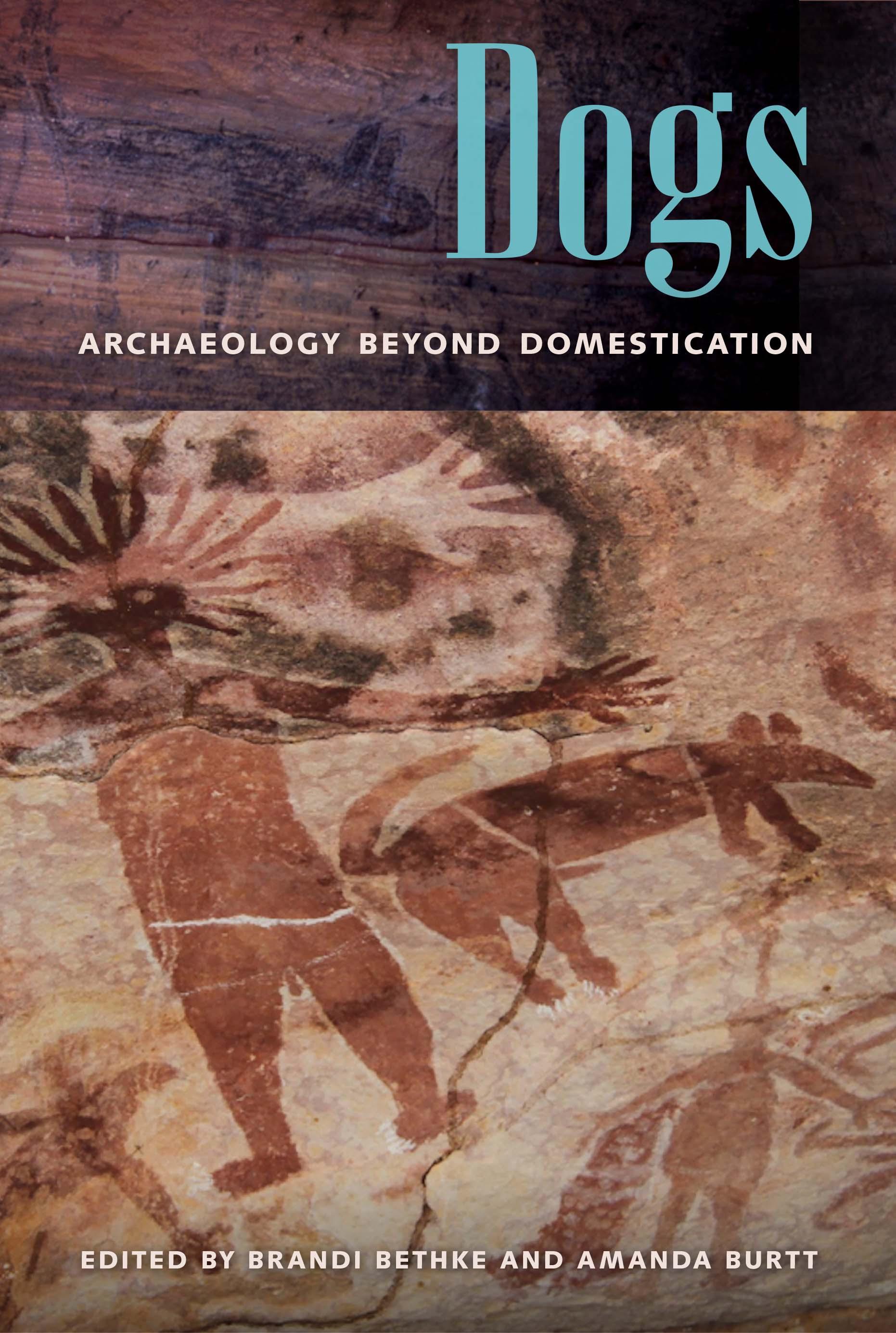
Exploring the bond between dogs and humans in case studies from across thousands of years
This volume offers a rich archaeological portrait of the human-canine connection. Contributors investigate the ways people have viewed and valued dogs in different cultures around the world and across the ages. Case studies from North and South America, the Arctic, Australia, and Eurasia present evidence for dogs in roles including pets, guards, hunters, and herders.
In these chapters, faunal analysis from the Ancient Near East suggests that dogs contributed to public health by scavenging garbage, and remains from a Roman temple indicate that dogs were offered as sacrifices in purification rites. Essays also chronicle the complex partnership between Aboriginal peoples and the dingo and describe how the hunting abilities of dogs made them valuable assets for Indigenous groups in the Amazon rainforest. The volume draws on multidisciplinary methods that include zooarchaeological analysis; scientific techniques such as dental microwear, isotopic, and DNA analyses; and the integration of history, ethnography, multispecies scholarship, and traditional cultural knowledge to provide an in-depth account of dogs’ lives. Showing that dogs have been a critical ally for humankind through cooperation and companionship over thousands of years, this volume broadens discussions about how relationships between people and animals have shaped our world.
Pay easily by card, Klarna, Apple Pay or Google Pay. Not happy? You always have a 14-day money-back guarantee. Read more in our terms. If you have any questions, email us at hello@memmo.org.
Memmo makes studying easier – wherever you are in the world. We bring your course books and smart study tools together in one place: summaries, quizzes, podcasts and flashcards. Plus Ted, your study buddy who answers anything you wonder. Over 75,000 students already study here – built to help you learn faster and stress less.