
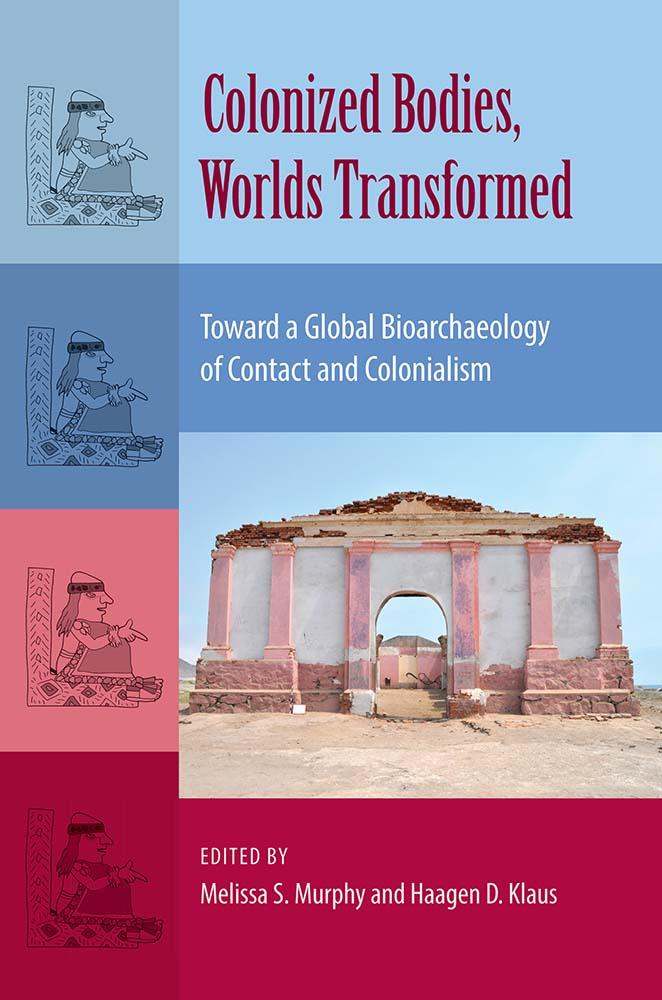
European expansion into the New World fundamentally altered Indigenous populations. The collision between East and West led to the most recent human adaptive transition that spread around the world. Paradoxically, these are some of the least scientifically understood processes of the human past. Representing a new generation of contact and colonialism studies, this volume expands on the traditional focus on the health of conquered peoples by considering how extraordinary biological and cultural transformations were incorporated into the human body and reflected in behavior, identity, and adaptation.
By examining changes in diet, mortuary practices, and diseases, these globally diverse case studies demonstrate that the effects of conquest reach further than was ever thought before—to both the colonized and the colonizers. People on all sides of colonial contact became entangled in cultural and biological transformations of social identities, foodways, social structures, and gene pools at points of contact and beyond. Contributors to this volume illustrate previously unknown and variable effects of colonialism by analyzing skeletal remains and burial patterns from never-before-studied regions in the Americas to the Middle East, Africa, and Europe. The result is the first step toward a new synthesis of archaeology and bioarchaeology.
Pay easily by card, Klarna, Apple Pay or Google Pay. Not happy? You always have a 14-day money-back guarantee. Read more in our terms. If you have any questions, email us at hello@memmo.org.
Memmo makes studying easier – wherever you are in the world. We bring your course books and smart study tools together in one place: summaries, quizzes, podcasts and flashcards. Plus Ted, your study buddy who answers anything you wonder. Over 75,000 students already study here – built to help you learn faster and stress less.