
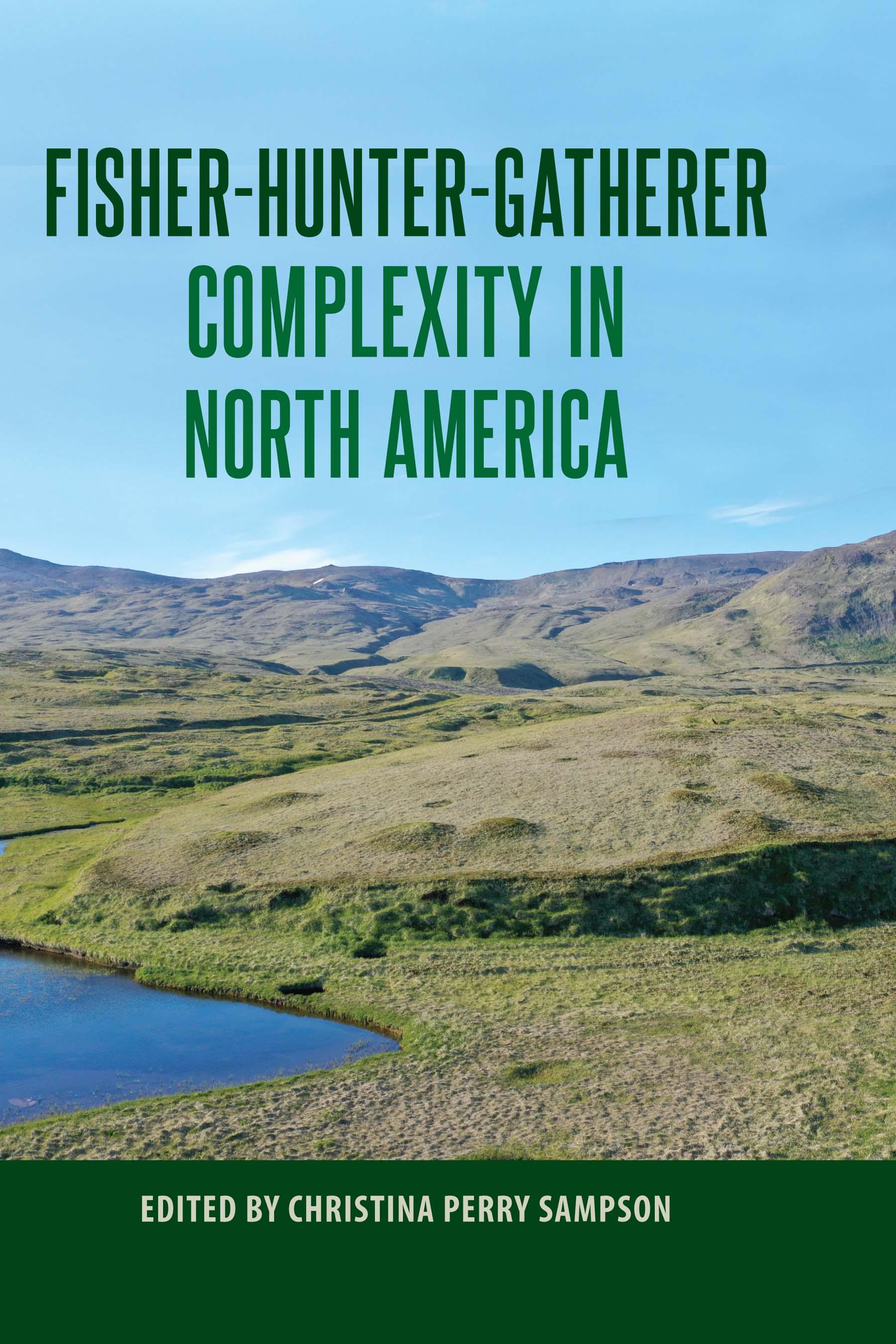
Demonstrating the wide variation among complex hunter-gatherer communities in coastal settings
This book explores the forms and trajectories of social complexity among fisher-hunter-gatherers who lived in coastal, estuarine, and riverine settings in precolumbian North America. Through case studies from several different regions and intellectual traditions, the contributors to this volume collectively demonstrate remarkable variation in the circumstances and histories of complex hunter-gatherers in maritime environments.
The volume draws on archaeological research from the North Pacific and Alaska, the Pacific Northwest coast and interior, the California Channel Islands, and the southeastern U.S. and Florida. Contributors trace complex social configurations through monumentality, ceremonialism, territoriality, community organization, and trade and exchange. They show that while factors such as boat travel, patterns of marine and riverine resource availability, and sedentism and village formation are common unifying threads across the continent, these factors manifest in historically contingent ways in different contexts.
Fisher-Hunter-Gatherer Complexity in North America offers specific, substantive examples of change and transformation in these communities, emphasizing the wide range of complexity among them. It considers the use of the term complex hunter-gatherer and what these case studies show about the value and limitations of the concept, adding nuance to an ongoing conversation in the field.
Pay easily by card, Klarna, Apple Pay or Google Pay. Not happy? You always have a 14-day money-back guarantee. Read more in our terms. If you have any questions, email us at hello@memmo.org.
Memmo makes studying easier – wherever you are in the world. We bring your course books and smart study tools together in one place: summaries, quizzes, podcasts and flashcards. Plus Ted, your study buddy who answers anything you wonder. Over 75,000 students already study here – built to help you learn faster and stress less.