
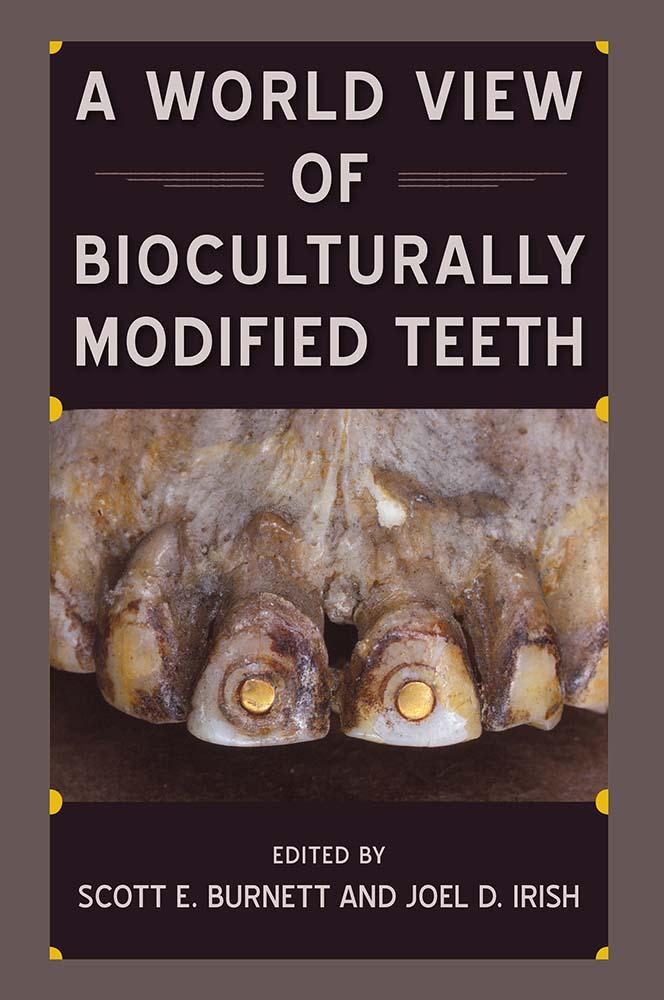
Tooth modification is the longest-lasting type of body modification and the most widespread in the archaeological record. It has been practiced throughout many time periods and on every occupied continent and conveys information about individual people, their societies, and their relationships to others. This necessary volume presents the wide spectrum of intentional dental modification in humans across the globe over the past 16,000 years.
These essays draw on research from the Americas, Africa, Asia, Oceania, and Europe. Through archaeological studies, historical and ethnographic sources, and observations of contemporary people, contributors examine instances of tooth filing, notching, inlays, dyeing, and removal. They discuss how to distinguish between these purposeful modifications of teeth and normal wear and tear or disease while demonstrating what patterns of tooth modification can reveal about people and their cultures in the past and present.
A volume in the series Bioarchaeological Interpretations of the Human Past: Local, Regional, and Global Perspectives, edited by Clark Spencer LarsenPay easily by card, Klarna, Apple Pay or Google Pay. Not happy? You always have a 14-day money-back guarantee. Read more in our terms. If you have any questions, email us at hello@memmo.org.
Memmo makes studying easier – wherever you are in the world. We bring your course books and smart study tools together in one place: summaries, quizzes, podcasts and flashcards. Plus Ted, your study buddy who answers anything you wonder. Over 75,000 students already study here – built to help you learn faster and stress less.