
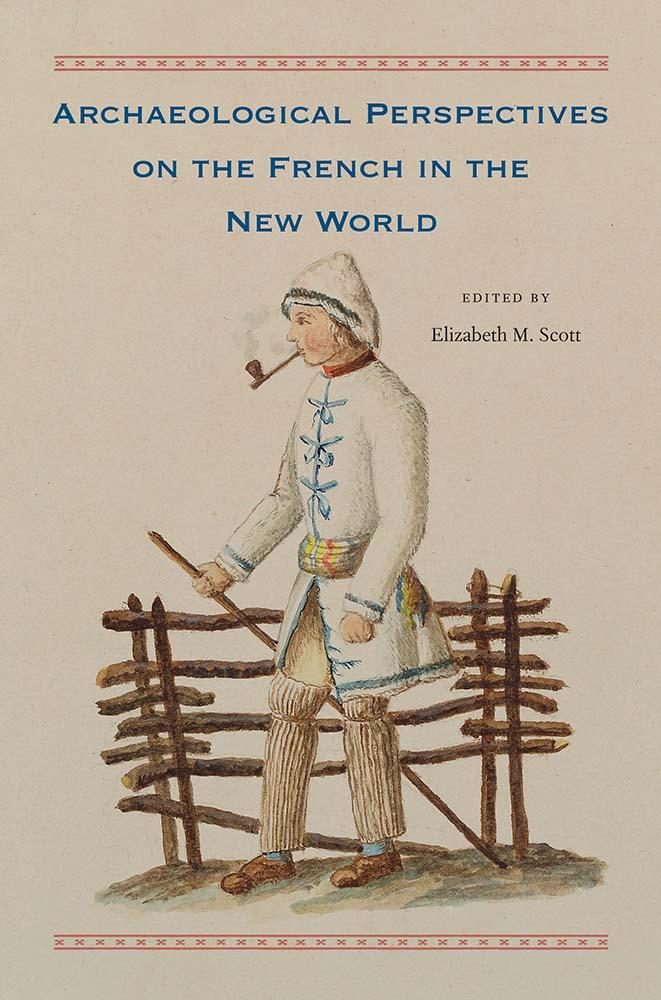
Correcting the notion that French influence in the Americas was confined mostly to Québec and New Orleans, this collection reveals a wide range of vibrant French-speaking communities both during and long after the end of French colonial rule. This volume highlights the complexity of Francophone societies, the persistence of their cultural traditions, and the innovative means they employed to cope with the cultural and environmental demands of living in the New World.
Analyzing artifacts including clay pipes, colonoware, and food remains alongside a rich body of historical records, contributors focus on how French descendants impacted North America, the Caribbean, and South America even after 1763. Taken together, the essays argue that communities do not need to be located in French colonies or contain French artifacts to be considered Francophone, and they show that many Francophone groups were composed of a mix of ethnic French, Métis, Native Americans, and African Americans. The contributors emphasize the important roles that French colonists and their descendants have played in New World histories.
Elizabeth M. Scott, former associate professor of anthropology at Illinois State University, is the editor of Those of Little Note: Gender, Race, and Class in Historical Archaeology.Pay easily by card, Klarna, Apple Pay or Google Pay. Not happy? You always have a 14-day money-back guarantee. Read more in our terms. If you have any questions, email us at hello@memmo.org.
Memmo makes studying easier – wherever you are in the world. We bring your course books and smart study tools together in one place: summaries, quizzes, podcasts and flashcards. Plus Ted, your study buddy who answers anything you wonder. Over 75,000 students already study here – built to help you learn faster and stress less.