
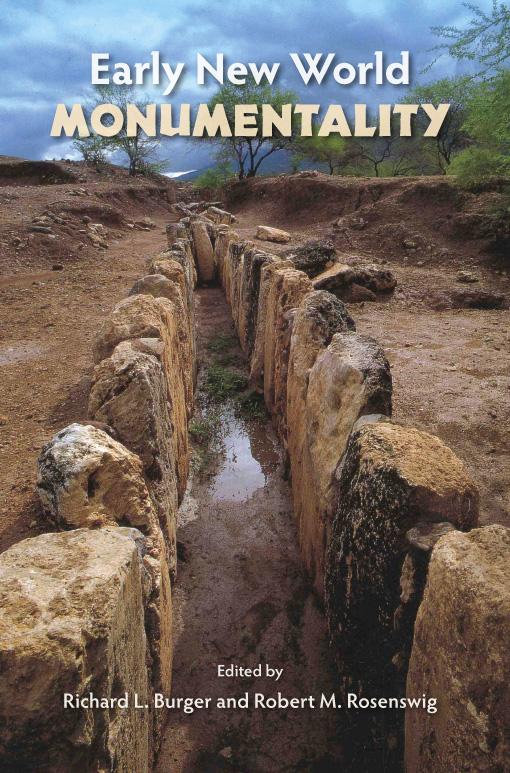
In studies of ancient civilizations, the focus is often on the temples, palaces, and buildings created and then left behind, both because they survive and because of the awe they still inspire today. From the Mississippian mounds in the United States to the early pyramids of Peru, these monuments have been well-documented, but less attention has been paid to analyzing the logistical complexity involved in their creation.
In this collection, prominent archaeologists explore the sophisticated political and logistical organizations that were required to plan and complete these architectural marvels. They discuss the long-term political, social, and military impacts these projects had on their respective civilizations, and illuminate the significance of monumentality among early complex societies in the Americas.
Early New World Monumentality is ultimately a study of labor and its mobilization, as well as the long-term spiritual awe and political organization that motivated and were enhanced by such undertakings. Mounds and other impressive monuments left behind by earlier civilizations continue to reveal their secrets, offering profound insights into the development of complex societies throughout the New World.
Pay easily by card, Klarna, Apple Pay or Google Pay. Not happy? You always have a 14-day money-back guarantee. Read more in our terms. If you have any questions, email us at hello@memmo.org.
Memmo makes studying easier – wherever you are in the world. We bring your course books and smart study tools together in one place: summaries, quizzes, podcasts and flashcards. Plus Ted, your study buddy who answers anything you wonder. Over 75,000 students already study here – built to help you learn faster and stress less.