
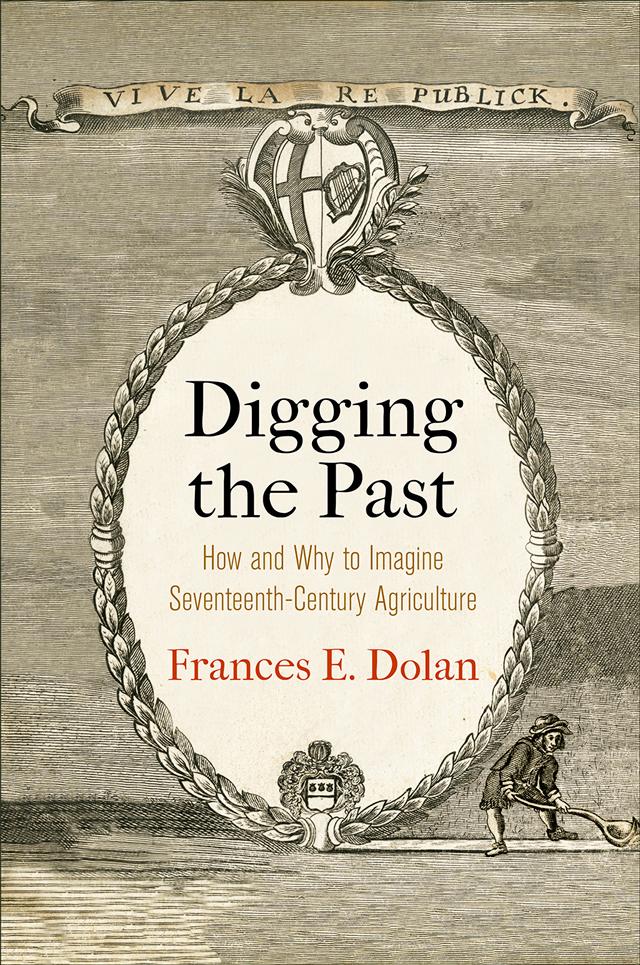
A detailed study of seventeenth century farming practices and their relevance for today
We are today grappling with the consequences of disastrous changes in our farming and food systems. While the problems we face have reached a crisis point, their roots are deep. Even in the seventeenth century, Frances E. Dolan contends, some writers and thinkers voiced their reservations, both moral and environmental, about a philosophy of improvement that rationalized massive changes in land use, farming methods, and food production. Despite these reservations, the seventeenth century was a watershed in the formation of practices that would lead toward the industrialization of agriculture. But it was also a period of robust and inventive experimentation in what we now think of as alternative agriculture. This book approaches the seventeenth century, in its failed proposals and successful ventures, as a resource for imagining the future of agriculture in fruitful ways. It invites both specialists and non-specialists to see and appreciate the period from the ground up.
Building on and connecting histories of food and work, literary criticism of the pastoral and georgic, histories of elite and vernacular science, and histories of reading and writing practices, among other areas of inquiry, Digging the Past offers fine-grained case studies of projects heralded as innovations both in the seventeenth century and in our own time: composting and soil amendment, local food, natural wine, and hedgerows. Dolan analyzes the stories seventeenth-century writers told one another in letters, diaries, and notebooks, in huge botanical catalogs and flimsy pamphlets, in plays, poems, and how-to guides, in adages and epics. She digs deeply to assess precisely how and with what effect key terms, figurations, and stories galvanized early modern imaginations and reappear, often unrecognized, on the websites and in the tour scripts of farms and vineyards today.
Pay easily by card, Klarna, Apple Pay or Google Pay. Not happy? You always have a 14-day money-back guarantee. Read more in our terms. If you have any questions, email us at hello@memmo.org.
Memmo makes studying easier – wherever you are in the world. We bring your course books and smart study tools together in one place: summaries, quizzes, podcasts and flashcards. Plus Ted, your study buddy who answers anything you wonder. Over 50,000 students already study here – built to help you learn faster and stress less.