
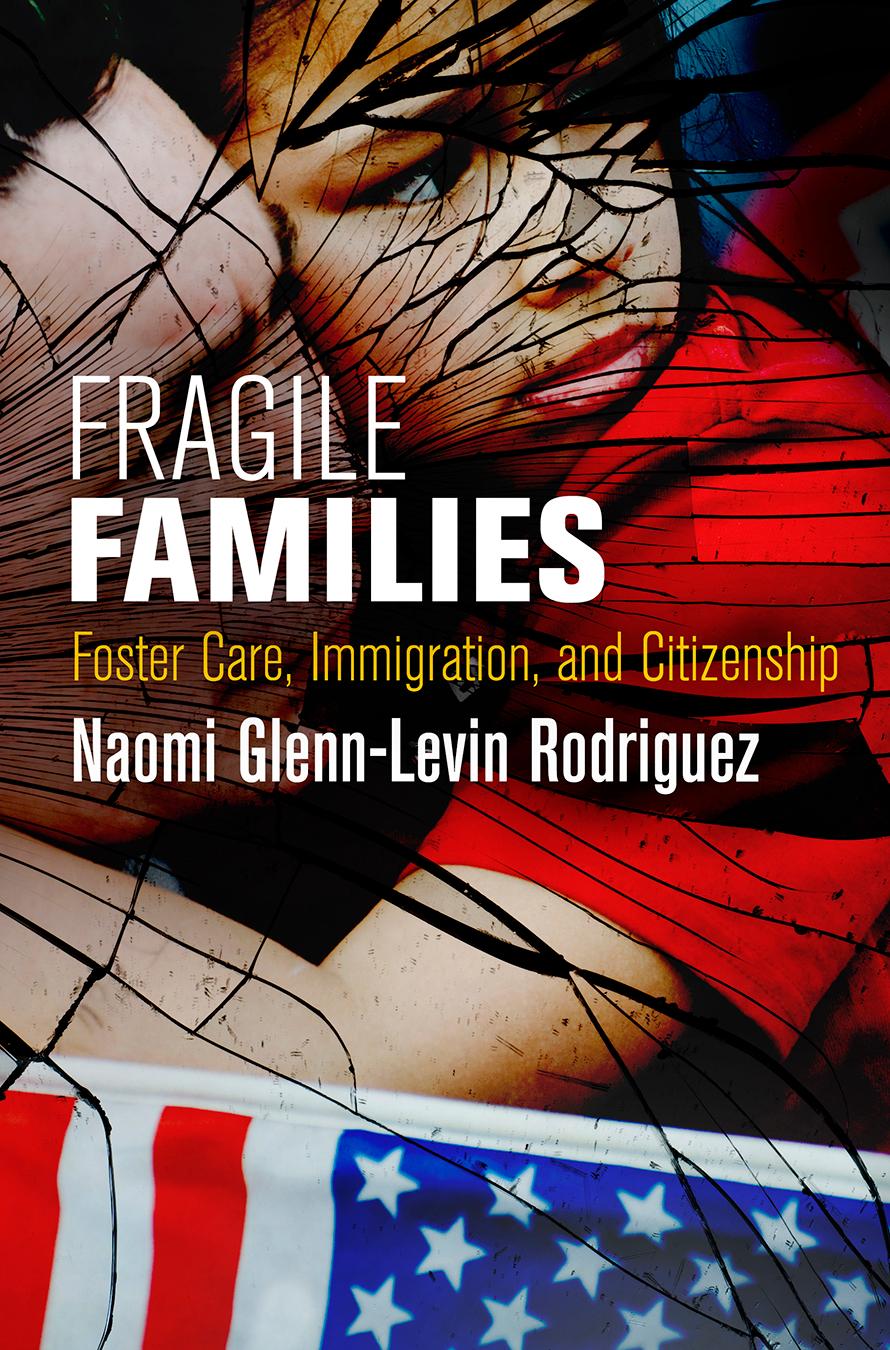
In the past decade, debates over immigrant rights and family rights, and accompanying concerns over birthright citizenship, have taken center stage in popular media and mainstream political debates. These debates, however, frequently overlook the role of the public child welfare system in the United States—the agency charged with protecting children and maintaining the integrity of families. Based on research conducted in the San Diego-Tijuana region between 2008 and 2012, Fragile Families tells the stories of children, parents, social workers, and legal actors enmeshed in the child welfare system, and sheds light on the particular challenges faced by the children of detained and deported non-U.S. citizen parents who are simultaneously caught up in the immigration system in this border region.
Many families come into contact with child welfare services because of the precariousness of their lives—unsafe housing, unstable employment, and the conditions of violence, drug use, and domestic violence made visible by the heightened police presence in impoverished communities. Naomi Glenn-Levin Rodriguez examines the character of child welfare decision-making processes and how discretionary decisions constitute the central avenue through which race, citizenship, and other cultural processes inflect child welfare practice in a manner that disproportionately impacts Latina/o families—both undocumented and U.S. citizens. Drawing on ethnographic fieldwork to look at how immigration enforcement and child welfare play central roles in the ongoing production of citizenship, race, and national belonging, Fragile Families focuses on the everyday experiences of Latina/o families whose lives are shaped at the nexus of child welfare services and immigration enforcement.
Pay easily by card, Klarna, Apple Pay or Google Pay. Not happy? You always have a 14-day money-back guarantee. Read more in our terms. If you have any questions, email us at hello@memmo.org.
Memmo makes studying easier – wherever you are in the world. We bring your course books and smart study tools together in one place: summaries, quizzes, podcasts and flashcards. Plus Ted, your study buddy who answers anything you wonder. Over 50,000 students already study here – built to help you learn faster and stress less.