
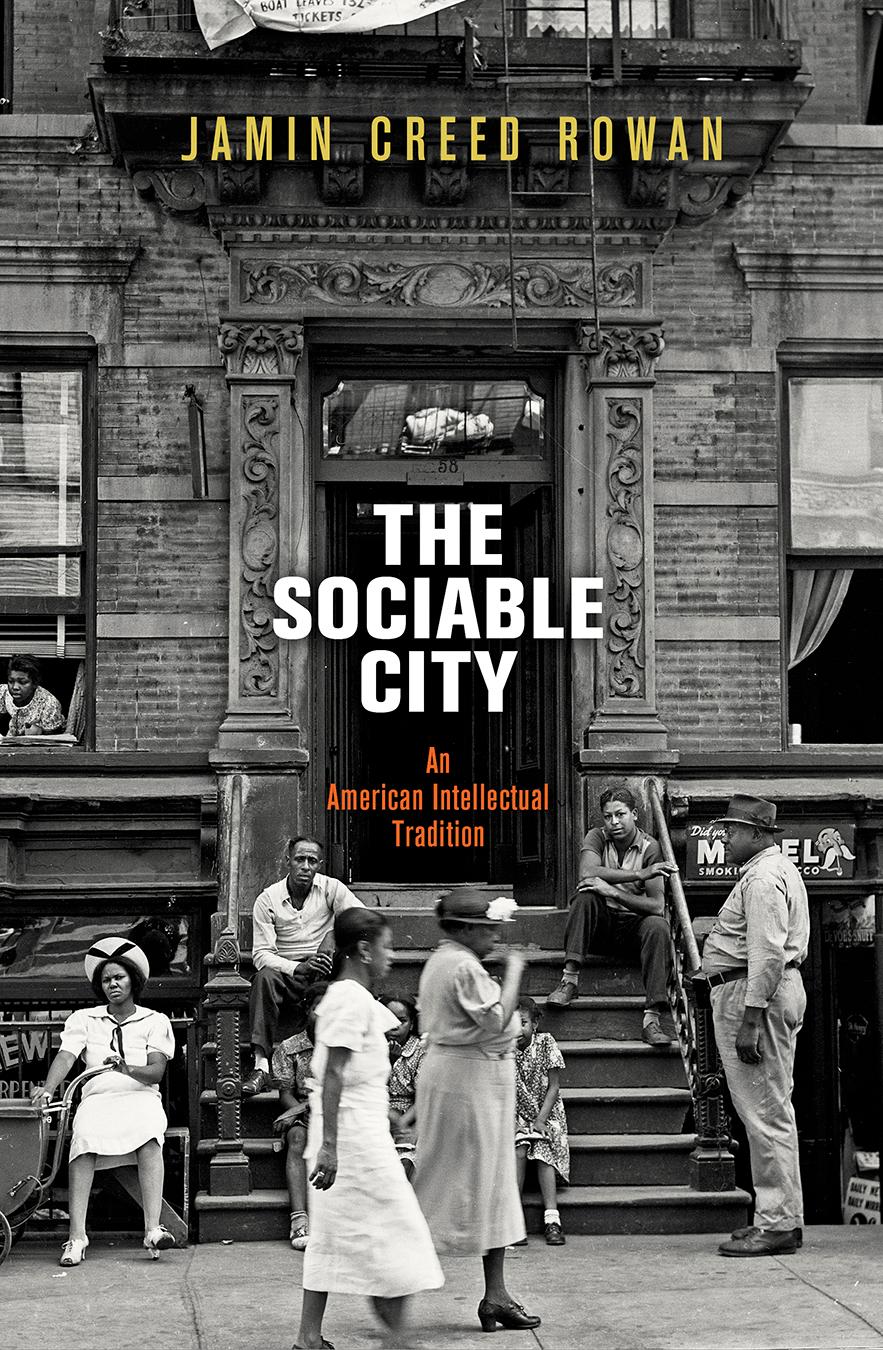
When celebrated landscape architect Frederick Law Olmsted despaired in 1870 that the "restraining and confining conditions" of the city compelled its inhabitants to "look closely upon others without sympathy," he was expressing what many in the United States had already been saying about the nascent urbanization that would continue to transform the nation's landscape: that the modern city dramatically changes the way individuals interact with and feel toward one another. An antiurbanist discourse would pervade American culture for years to come, echoing Olmsted's skeptical view of the emotional value of urban relationships. But as more and more people moved to the nation's cities, urbanists began to confront this pessimism about the ability of city dwellers to connect with one another.
The Sociable City investigates the history of how American society has conceived of urban relationships and considers how these ideas have shaped the cities in which we live. As the city's physical and social landscapes evolved over the course of the late nineteenth and twentieth centuries, urban intellectuals developed new vocabularies, narratives, and representational forms to express the social and emotional value of a wide variety of interactions among city dwellers.
Turning to source materials often overlooked by scholars of urban life—including memoirs, plays, novels, literary journalism, and museum exhibits—Jamin Creed Rowan unearths an expansive body of work dedicated to exploring and advocating the social configurations made possible by the city. His study aims to better understand why we have built and governed cities in the ways we have, and to imagine an urban future that will effectively preserve and facilitate the interpersonal associations and social networks that city dwellers need to live manageable, equitable, and fulfilling lives.
Pay easily by card, Klarna, Apple Pay or Google Pay. Not happy? You always have a 14-day money-back guarantee. Read more in our terms. If you have any questions, email us at hello@memmo.org.
Memmo makes studying easier – wherever you are in the world. We bring your course books and smart study tools together in one place: summaries, quizzes, podcasts and flashcards. Plus Ted, your study buddy who answers anything you wonder. Over 50,000 students already study here – built to help you learn faster and stress less.