
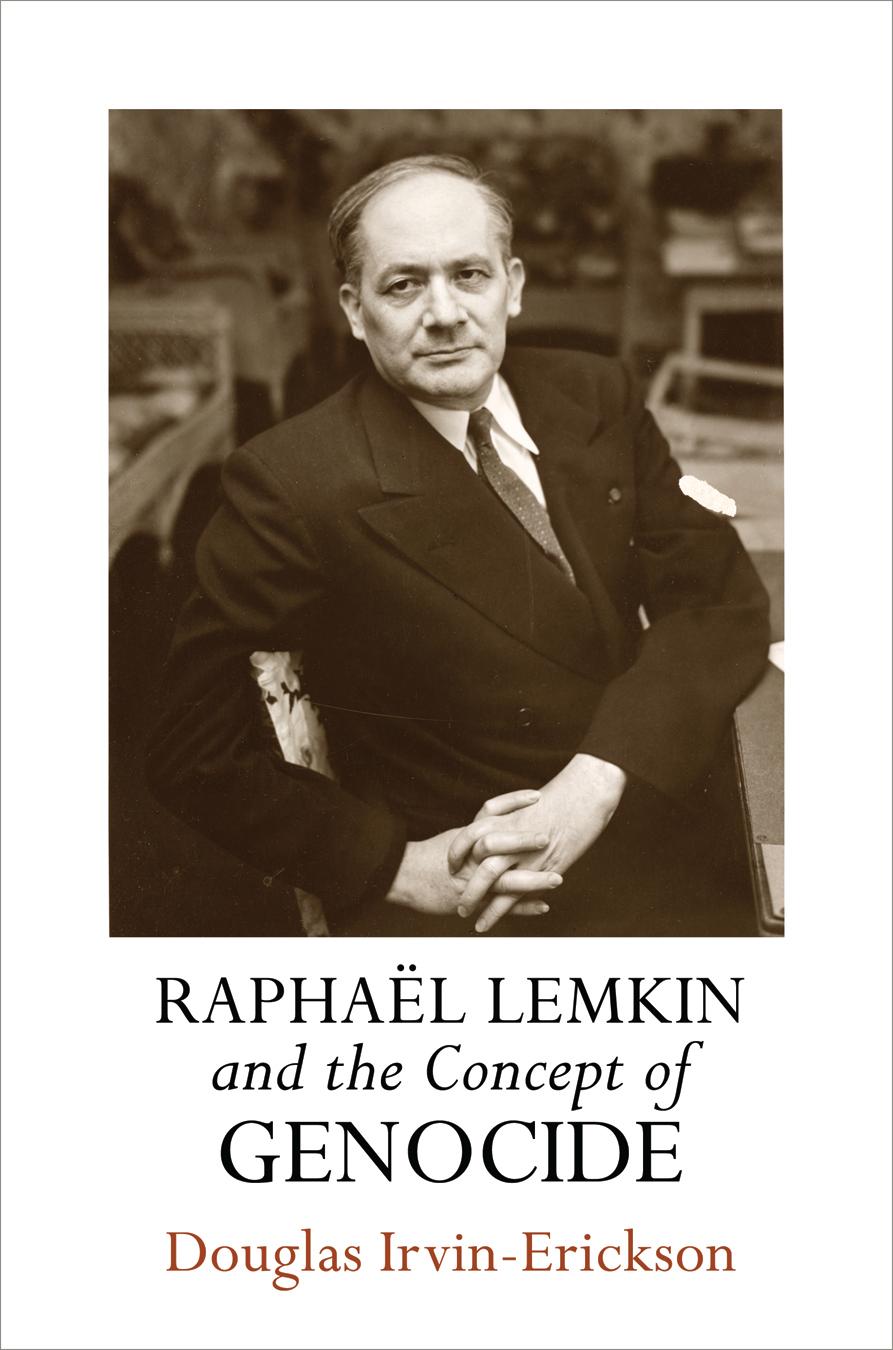
Raphaël Lemkin (1900-1959) coined the word "genocide" in the winter of 1942 and led a movement in the United Nations to outlaw the crime, setting his sights on reimagining human rights institutions and humanitarian law after World War II. After the UN adopted the Convention on the Prevention and Punishment of the Crime of Genocide in 1948, Lemkin slipped into obscurity, and within a few short years many of the same governments that had agreed to outlaw genocide and draft a Universal Declaration of Human Rights tried to undermine these principles.
This intellectual biography of one of the twentieth century's most influential theorists and human rights figures sheds new light on the origins of the concept and word "genocide," contextualizing Lemkin's intellectual development in interwar Poland and exploring the evolving connection between his philosophical writings, juridical works, and politics over the following decades. The book presents Lemkin's childhood experience of anti-Jewish violence in imperial Russia; his youthful arguments to expand the laws of war to protect people from their own governments; his early scholarship on Soviet criminal law and nationalities violence; his work in the 1930s to advance a rights-based approach to international law; his efforts in the 1940s to outlaw genocide; and his forays in the 1950s into a social-scientific and historical study of genocide, which he left unfinished.
Revealing what the word "genocide" meant to people in the wake of World War II—as the USSR and Western powers sought to undermine the Genocide Convention at the UN, while delegations from small states and former colonies became the strongest supporters of Lemkin's law—Raphaël Lemkin and the Concept of Genocide examines how the meaning of genocide changed over the decades and highlights the relevance of Lemkin's thought to our own time.
Pay easily by card, Klarna, Apple Pay or Google Pay. Not happy? You always have a 14-day money-back guarantee. Read more in our terms. If you have any questions, email us at hello@memmo.org.
Memmo makes studying easier – wherever you are in the world. We bring your course books and smart study tools together in one place: summaries, quizzes, podcasts and flashcards. Plus Ted, your study buddy who answers anything you wonder. Over 50,000 students already study here – built to help you learn faster and stress less.