
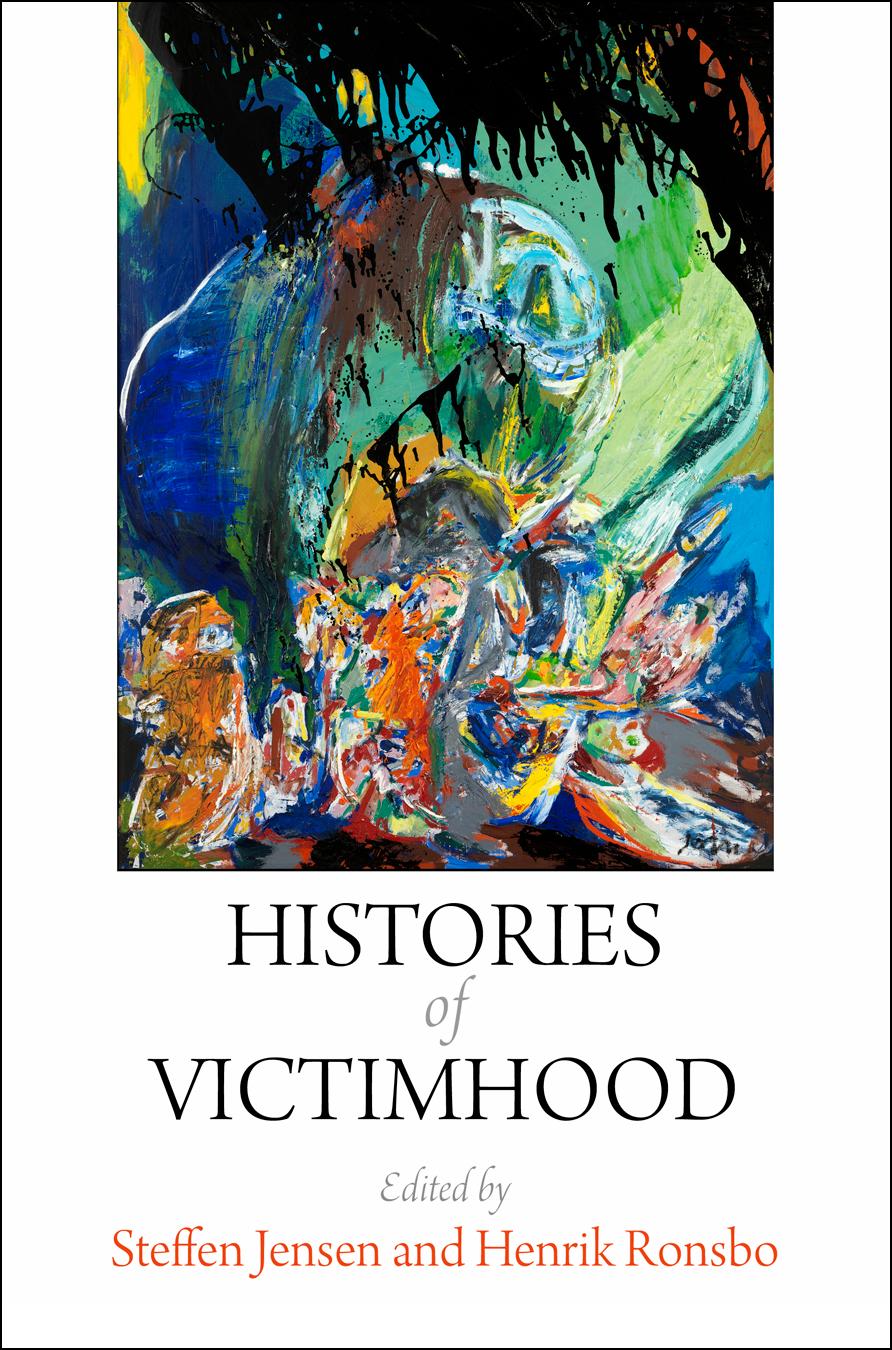
The word and concept of victim bear a heavy weight. To represent oneself or to be represented as a victim is often a first and vital step toward having one's suffering and one's claims to rights socially and legally recognized. Yet to name oneself or be called a victim is a risky claim, and social scientists must struggle to avoid erasing either survivors' experience of suffering or their agency and resourcefulness. Histories of Victimhood engages with this dilemma, asking how one may recognize and acknowledge suffering without essentializing affected communities and individuals.
This volume tackles the theoretical and empirical questions surrounding the ways victims and victimhood are constructed, represented, and managed by state and nonstate actors. Geographically broad, the twelve essays in this volume trace histories of victimhood in Colombia, India, South Africa, Guatemala, Angola, Sierra Leone, Turkey, Occupied Palestine, Denmark, and Britain. They examine the implications of victimhood in a wide range of contexts, including violent occupations, displacement, war, reparation projects, refugee assistance, HIV treatment, trauma intervention, social welfare projects, and state formation. In exploring varying forms of hardship and identifying what people do to survive, how they make sense of their own suffering, and how they are frequently either acted upon or ignored by humanitarian agencies and states, Histories of Victimhood encourages us to see victimhood not as a definite and definable category of experience but as a changeable and culturally contingent state.
Contributors: Sofie Danneskiold-Samsøe, Pamila Gupta, Ravinder Kaur, Stine Finne Jakobsen, Andrew M. Jefferson, Steffen Jensen, Tobias Kelly, Frédéric Le Marcis, Walter Paniagua, Elizabeth A. Povinelli, Darius Rejali, Henrik Ronsbo, Lotte Buch Segal, Nerina Weiss.
Pay easily by card, Klarna, Apple Pay or Google Pay. Not happy? You always have a 14-day money-back guarantee. Read more in our terms. If you have any questions, email us at hello@memmo.org.
Memmo makes studying easier – wherever you are in the world. We bring your course books and smart study tools together in one place: summaries, quizzes, podcasts and flashcards. Plus Ted, your study buddy who answers anything you wonder. Over 50,000 students already study here – built to help you learn faster and stress less.