
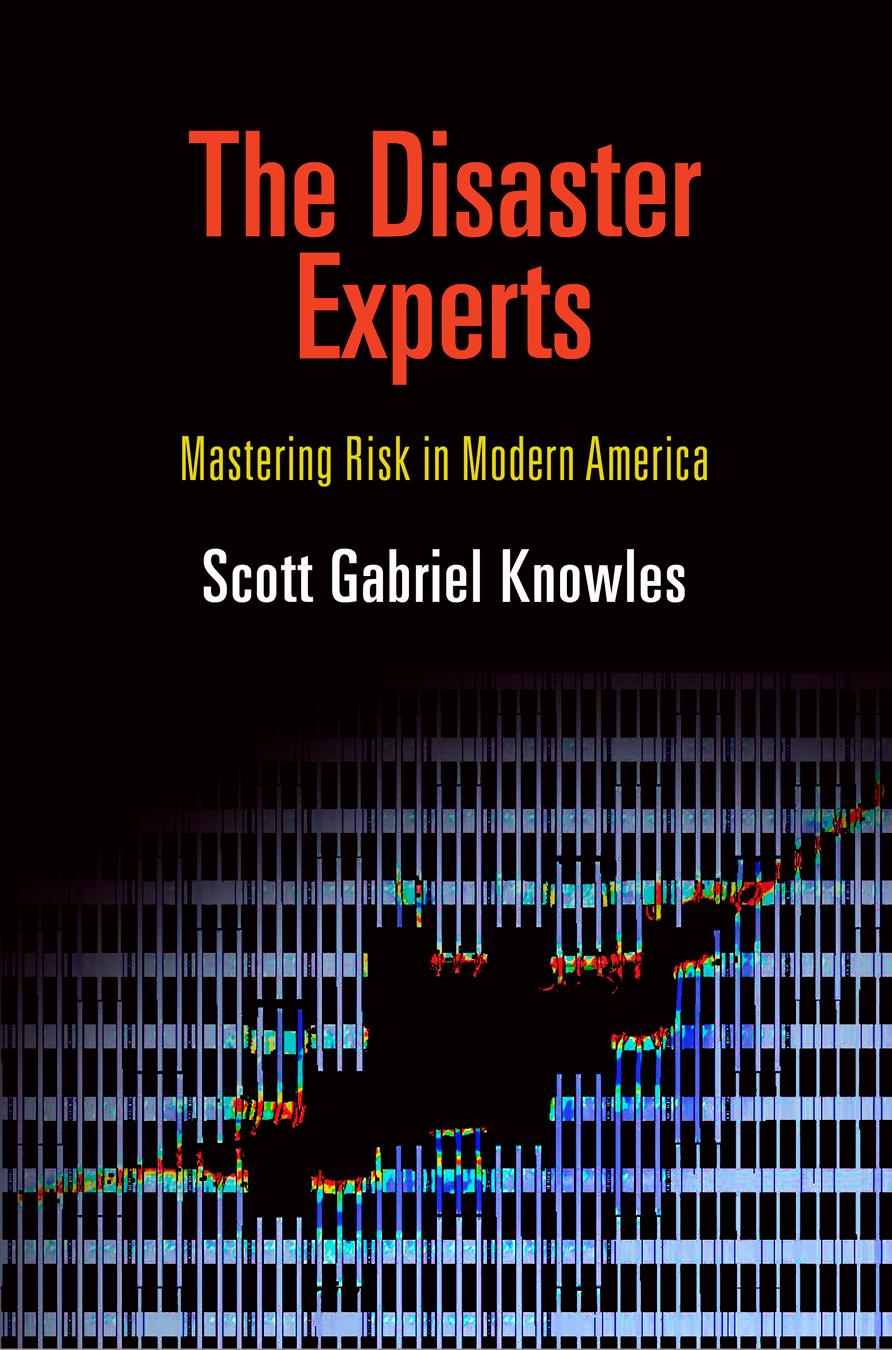
In the wake of 9/11 and Hurricane Katrina, many are asking what, if anything, can be done to prevent large-scale disasters. How is it that we know more about the hazards of modern American life than ever before, yet the nation faces ever-increasing losses from such events? History shows that disasters are not simply random acts. Where is the logic in creating an elaborate set of fire codes for buildings, and then allowing structures like the Twin Towers—tall, impressive, and risky—to go up as design experiments? Why prepare for terrorist attacks above all else when floods, fires, and earthquakes pose far more consistent threats to American life and prosperity?
The Disaster Experts takes on these questions, offering historical context for understanding who the experts are that influence these decisions, how they became powerful, and why they are only slightly closer today than a decade ago to protecting the public from disasters. Tracing the intertwined development of disaster expertise, public policy, and urbanization over the past century, historian Scott Gabriel Knowles tells the fascinating story of how this diverse collection of professionals—insurance inspectors, engineers, scientists, journalists, public officials, civil defense planners, and emergency managers—emerged as the authorities on risk and disaster and, in the process, shaped modern America.
Pay easily by card, Klarna, Apple Pay or Google Pay. Not happy? You always have a 14-day money-back guarantee. Read more in our terms. If you have any questions, email us at hello@memmo.org.
Memmo makes studying easier – wherever you are in the world. We bring your course books and smart study tools together in one place: summaries, quizzes, podcasts and flashcards. Plus Ted, your study buddy who answers anything you wonder. Over 50,000 students already study here – built to help you learn faster and stress less.