
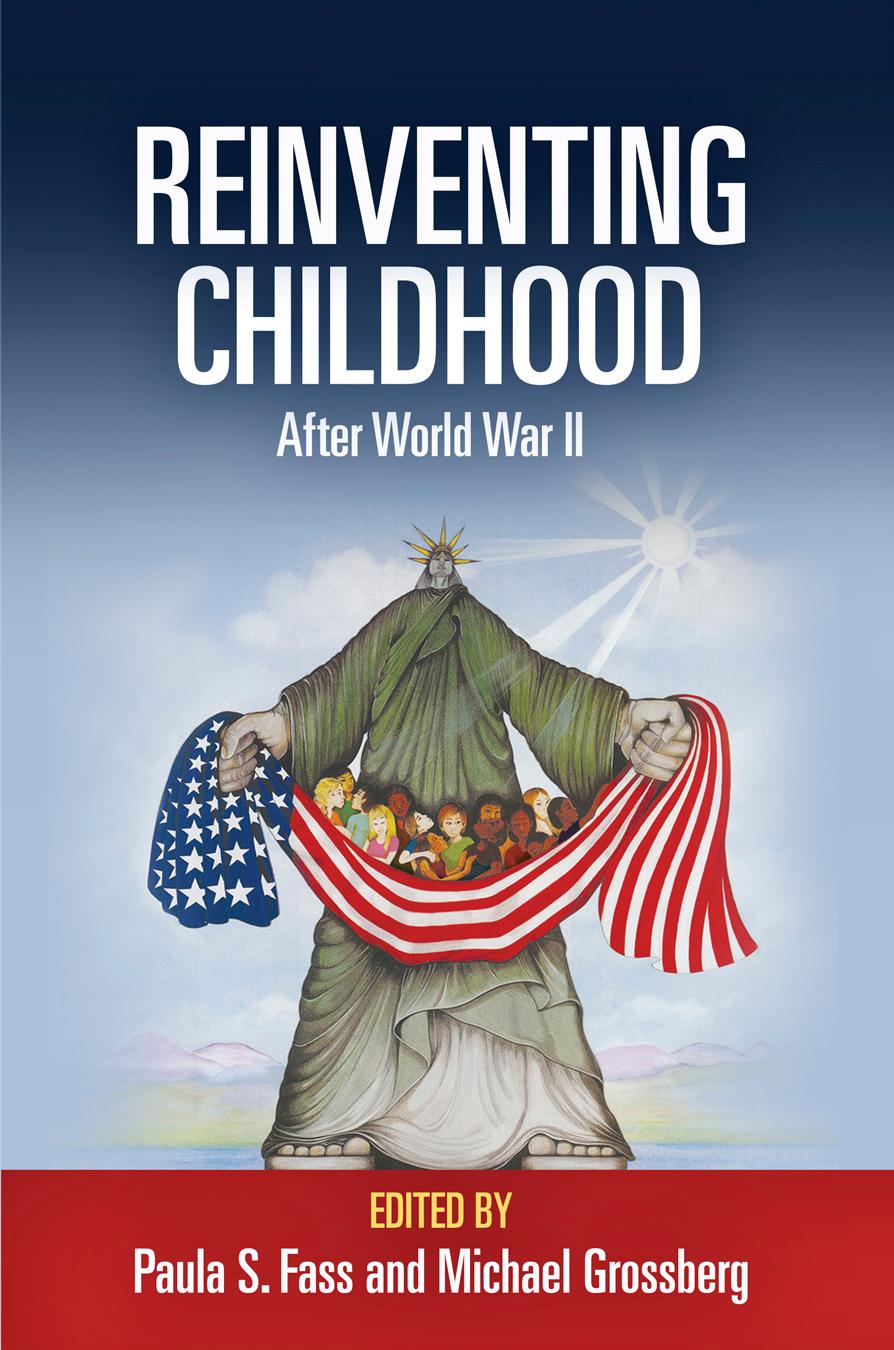
In the Western world, the modern view of childhood as a space protected from broader adult society first became a dominant social vision during the nineteenth century. Many of the West's sharpest portrayals of children in literature and the arts emerged at that time in both Europe and the United States and continue to organize our perceptions and sensibilities to this day. But that childhood is now being recreated.
Many social and political developments since the end of the World War II have fundamentally altered the lives children lead and are now beginning to transform conceptions of childhood. Reinventing Childhood After World War II brings together seven prominent historians of modern childhood to identify precisely what has changed in children's lives and why. Topics range from youth culture to children's rights; from changing definitions of age to nontraditional families; from parenting styles to how American experiences compare with those of the rest of the Western world. Taken together, the essays argue that children's experiences have changed in such dramatic and important ways since 1945 that parents, other adults, and girls and boys themselves have had to reinvent almost every aspect of childhood.
Reinventing Childhood After World War II presents a striking interpretation of the nature and status of childhood that will be essential to students and scholars of childhood, as well as policy makers, educators, parents, and all those concerned with the lives of children in the world today.
Pay easily by card, Klarna, Apple Pay or Google Pay. Not happy? You always have a 14-day money-back guarantee. Read more in our terms. If you have any questions, email us at hello@memmo.org.
Memmo makes studying easier – wherever you are in the world. We bring your course books and smart study tools together in one place: summaries, quizzes, podcasts and flashcards. Plus Ted, your study buddy who answers anything you wonder. Over 50,000 students already study here – built to help you learn faster and stress less.