
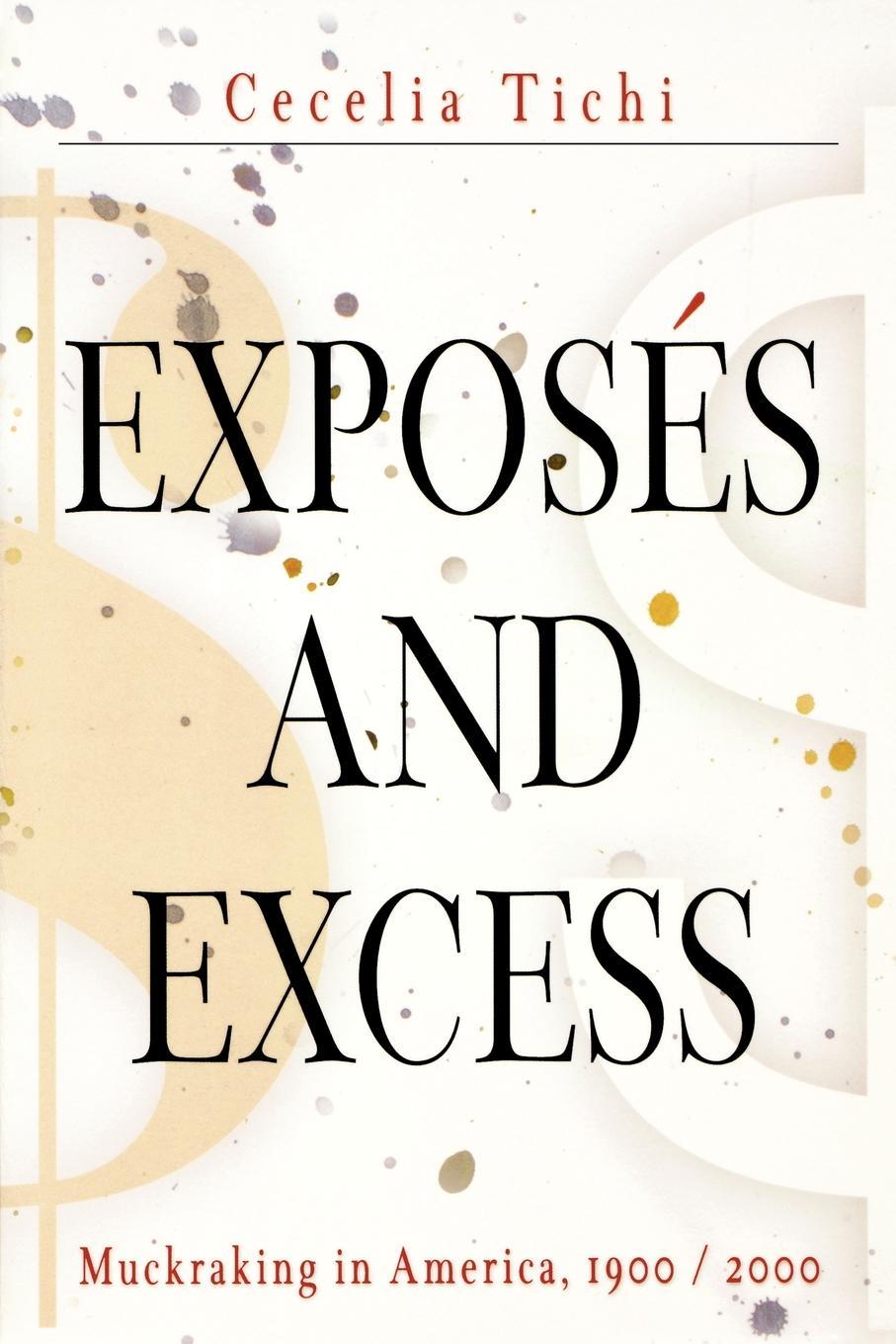
From robber barons to titanic CEOs, from the labor unrest of the 1880s to the mass layoffs of the 1990s, two American Gilded Ages—one in the early 1900s, another in the final years of the twentieth century—mirror each other in their laissez-faire excess and rampant social crises. Both eras have ignited the civic passions of investigative writers who have drafted diagnostic blueprints for urgently needed change. The compelling narratives of the muckrakers—Upton Sinclair, Ida Tarbell, Lincoln Steffens, and Ray Stannard Baker among them—became bestsellers and prizewinners a hundred years ago; today, Cecelia Tichi notes, they have found their worthy successors in writers such as Barbara Ehrenreich, Eric Schlosser, and Naomi Klein.
In Exposés and Excess Tichi explores the two Gilded Ages through the lens of their muckrakers. Drawing from her considerable and wide-ranging work in American studies, Tichi details how the writers of the first muckraking generation used fact-based narratives in magazines such as McClure's to rouse the U.S. public to civic action in an era of unbridled industrial capitalism and fear of the immigrant "dangerous classes." Offering a damning cultural analysis of the new Gilded Age, Tichi depicts a booming, insecure, fortress America of bulked-up baby strollers, McMansion housing, and an obsession with money-as-lifeline in an era of deregulation, yawning income gaps, and idolatry of the market and its rock-star CEOs.
No one has captured this period of corrosive boom more acutely than the group of nonfiction writers who burst on the scene in the late 1990s with their exposés of the fast-food industry, the world of low-wage work, inadequate health care, corporate branding, and the multibillion-dollar prison industry. And nowhere have these authors—Ehrenreich, Schlosser, Klein, Laurie Garrett, and Joseph Hallinan—revealed more about their emergence as writers and the connections between journalism and literary narrative than in the rich and insightful interviews that round out the book.
With passion and wit, Exposés and Excess brings a literary genre up to date at a moment when America has gone back to the future.
Pay easily by card, Klarna, Apple Pay or Google Pay. Not happy? You always have a 14-day money-back guarantee. Read more in our terms. If you have any questions, email us at hello@memmo.org.
Memmo makes studying easier – wherever you are in the world. We bring your course books and smart study tools together in one place: summaries, quizzes, podcasts and flashcards. Plus Ted, your study buddy who answers anything you wonder. Over 75,000 students already study here – built to help you learn faster and stress less.