
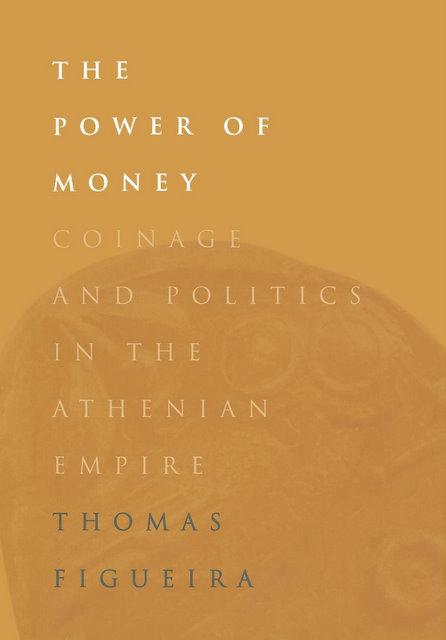
Was Athens an imperialistic state, deserving all the reputation for exploitation that adjective can imply, or was the Athenian alliance, even at its most unequal, still characterized by a convergence of interests?
The Power of Money explores monetary and metrological policy at Athens as a way of discerning the character of Athenian hegemony in midfifth-century Greece. It begins with the Athenian Coinage Decree, which, after decades of scholarly attention, still presents unresolved questions for Greek historians about content, intent, date, and effect. Was the Decree an act of commercial imperialism or simply the codification of what was already current practice?
Figueira interprets the Decree as one in a series concerned with financial matters affecting the Athenian city-state and emerging from the way the collection of tribute functioned in the alliance that we call the Athenian empire. He contends that the Decree served primarily to legislate the status quo ante.
Pay easily by card, Klarna, Apple Pay or Google Pay. Not happy? You always have a 14-day money-back guarantee. Read more in our terms. If you have any questions, email us at hello@memmo.org.
Memmo makes studying easier – wherever you are in the world. We bring your course books and smart study tools together in one place: summaries, quizzes, podcasts and flashcards. Plus Ted, your study buddy who answers anything you wonder. Over 75,000 students already study here – built to help you learn faster and stress less.