
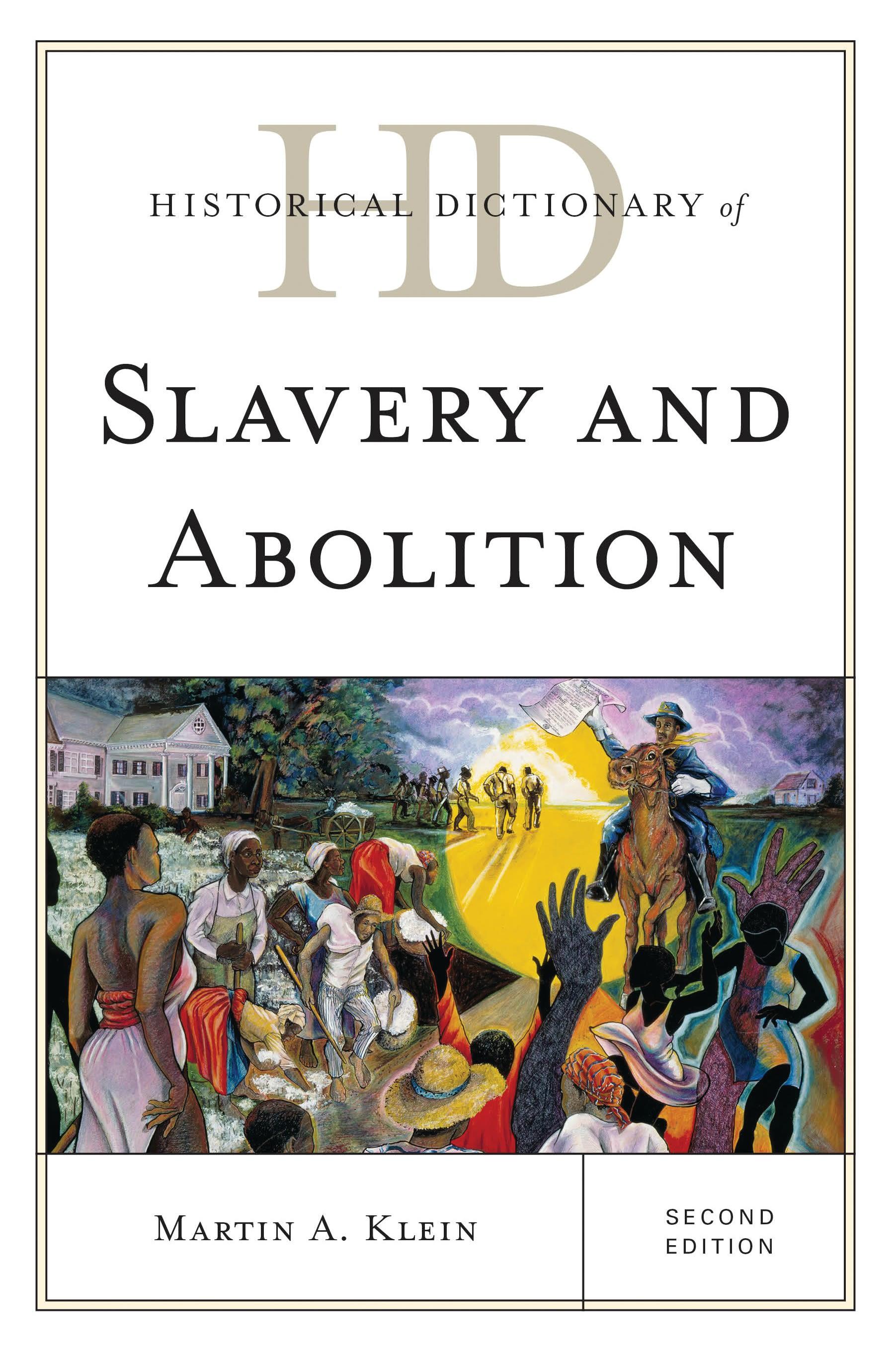
For almost four thousand years, men and women with power have exploited vulnerable populations for cheap or free labor. These slaves, serfs, helots, tenants, peons, bonded or forced laborers, etc., built pyramids and temples, dug canals and mined the earth for precious metals and gemstones. They built the palaces and mansions in which the powerful lived, grown the food they ate, spun the cloth that clothed them.
This second edition of Historical Dictionary of Slavery and Abolition relates the long and brutal history of slavery and the struggle for abolition using several key features:
Chronology Introductory essayAppendixesExtensive bibliographyOver 500 cross-referenced entries on forms of slavery, famous slaves and abolitionists, sources of slaves, and current conditions of modern slavery around the world
This book is an excellent access point for students, researchers, and anyone wanting to know more about slavery and abolition.
This second edition of Historical Dictionary of Slavery and Abolition relates the long and brutal history of slavery and the struggle for abolition using several key features:
Chronology Introductory essayAppendixesExtensive bibliographyOver 500 cross-referenced entries on forms of slavery, famous slaves and abolitionists, sources of slaves, and current conditions of modern slavery around the world
This book is an excellent access point for students, researchers, and anyone wanting to know more about slavery and abolition.
Pay easily by card, Klarna, Apple Pay or Google Pay. Not happy? You always have a 14-day money-back guarantee. Read more in our terms. If you have any questions, email us at hello@memmo.org.
Memmo makes studying easier – wherever you are in the world. We bring your course books and smart study tools together in one place: summaries, quizzes, podcasts and flashcards. Plus Ted, your study buddy who answers anything you wonder. Over 50,000 students already study here – built to help you learn faster and stress less.