
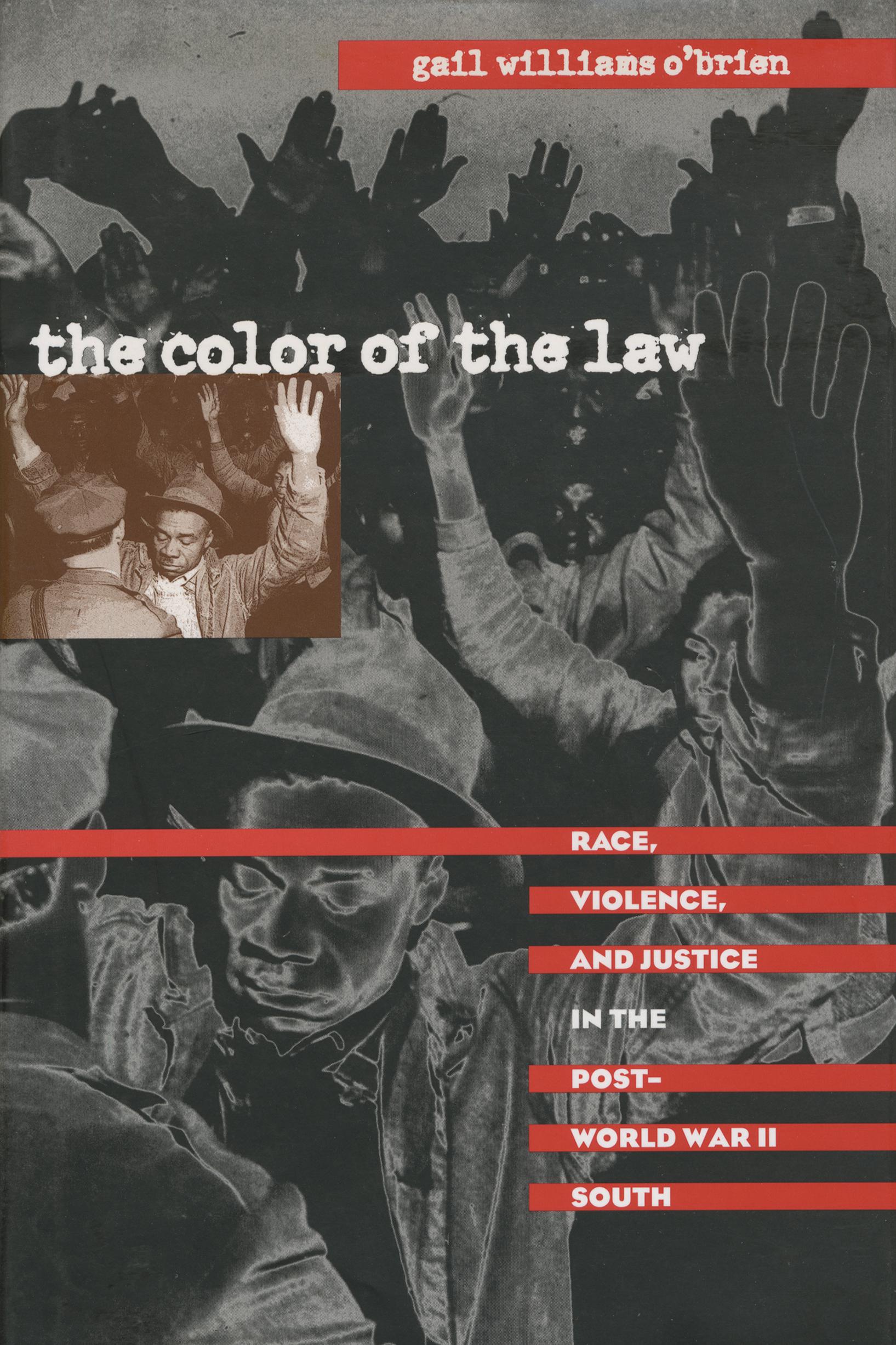
On February 25, 1946, African Americans in Columbia, Tennessee, averted the lynching of James Stephenson, a nineteen-year-old, black Navy veteran accused of attacking a white radio repairman at a local department store. That night, after Stephenson was safely out of town, four of Columbia’s police officers were shot and wounded when they tried to enter the town’s black business district. The next morning, the Tennessee Highway Patrol invaded the district, wrecking establishments and beating men as they arrested them. By day’s end, more than one hundred African Americans had been jailed. Two days later, highway patrolmen killed two of the arrestees while they were awaiting release from jail.
Drawing on oral interviews and a rich array of written sources, Gail Williams O'Brien tells the dramatic story of the Columbia “race riot,” the national attention it drew, and its surprising legal aftermath. In the process, she illuminates the effects of World War II on race relations and the criminal justice system in the United States. O'Brien argues that the Columbia events are emblematic of a nationwide shift during the 1940s from mob violence against African Americans to increased confrontations between blacks and the police and courts. As such, they reveal the history behind such contemporary conflicts as the Rodney King and O. J. Simpson cases.
Drawing on oral interviews and a rich array of written sources, Gail Williams O'Brien tells the dramatic story of the Columbia “race riot,” the national attention it drew, and its surprising legal aftermath. In the process, she illuminates the effects of World War II on race relations and the criminal justice system in the United States. O'Brien argues that the Columbia events are emblematic of a nationwide shift during the 1940s from mob violence against African Americans to increased confrontations between blacks and the police and courts. As such, they reveal the history behind such contemporary conflicts as the Rodney King and O. J. Simpson cases.
Pay easily by card, Klarna, Apple Pay or Google Pay. Not happy? You always have a 14-day money-back guarantee. Read more in our terms. If you have any questions, email us at hello@memmo.org.
Memmo makes studying easier – wherever you are in the world. We bring your course books and smart study tools together in one place: summaries, quizzes, podcasts and flashcards. Plus Ted, your study buddy who answers anything you wonder. Over 50,000 students already study here – built to help you learn faster and stress less.
You might also like
Buy the book0