
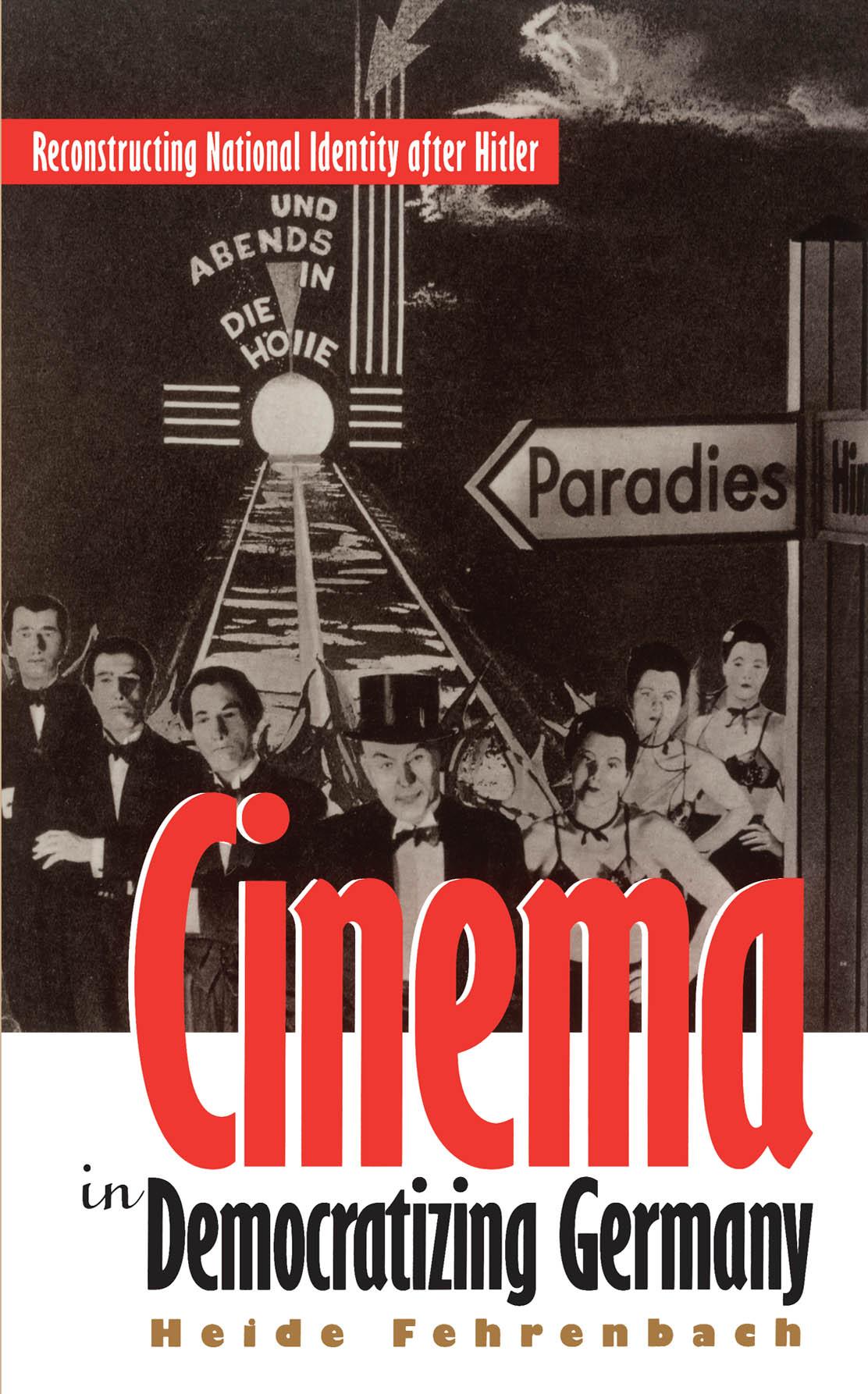
Heide Fehrenbach analyzes the important role cinema played in the reconstruction of German cultural and political identity between 1945 and 1962. Concentrating on the former West Germany, she explores the complex political uses of film — and the meanings attributed to film representation and spectatorship — during a period of abrupt transition to democracy. According to Fehrenbach, the process of national redefinition made cinema and cinematic control a focus of heated ideological debate. Moving beyond a narrow political examination of Allied-German negotiations, she investigates the broader social nexus of popular moviegoing, public demonstrations, film clubs, and municipal festivals. She also draws on work in gender and film studies to probe the ways filmmakers, students, church leaders, local politicians, and the general public articulated national identity in relation to the challenges posed by military occupation, American commercial culture, and redefined gender roles. Thus highlighting the links between national identity and cultural practice, this book provides a richer picture of what German reconstruction entailed for both women and men.
Pages: 384
Category: Film- & Medievetenskap
e-ISBN: 9780807861370
Shipping weight: 1.2 kg
Ships in: 1-2 days
Pay easily by card, Klarna, Apple Pay or Google Pay. Not happy? You always have a 14-day money-back guarantee. Read more in our terms. If you have any questions, email us at hello@memmo.org.
Memmo makes studying easier – wherever you are in the world. We bring your course books and smart study tools together in one place: summaries, quizzes, podcasts and flashcards. Plus Ted, your study buddy who answers anything you wonder. Over 50,000 students already study here – built to help you learn faster and stress less.
You might also like
Buy the book0