
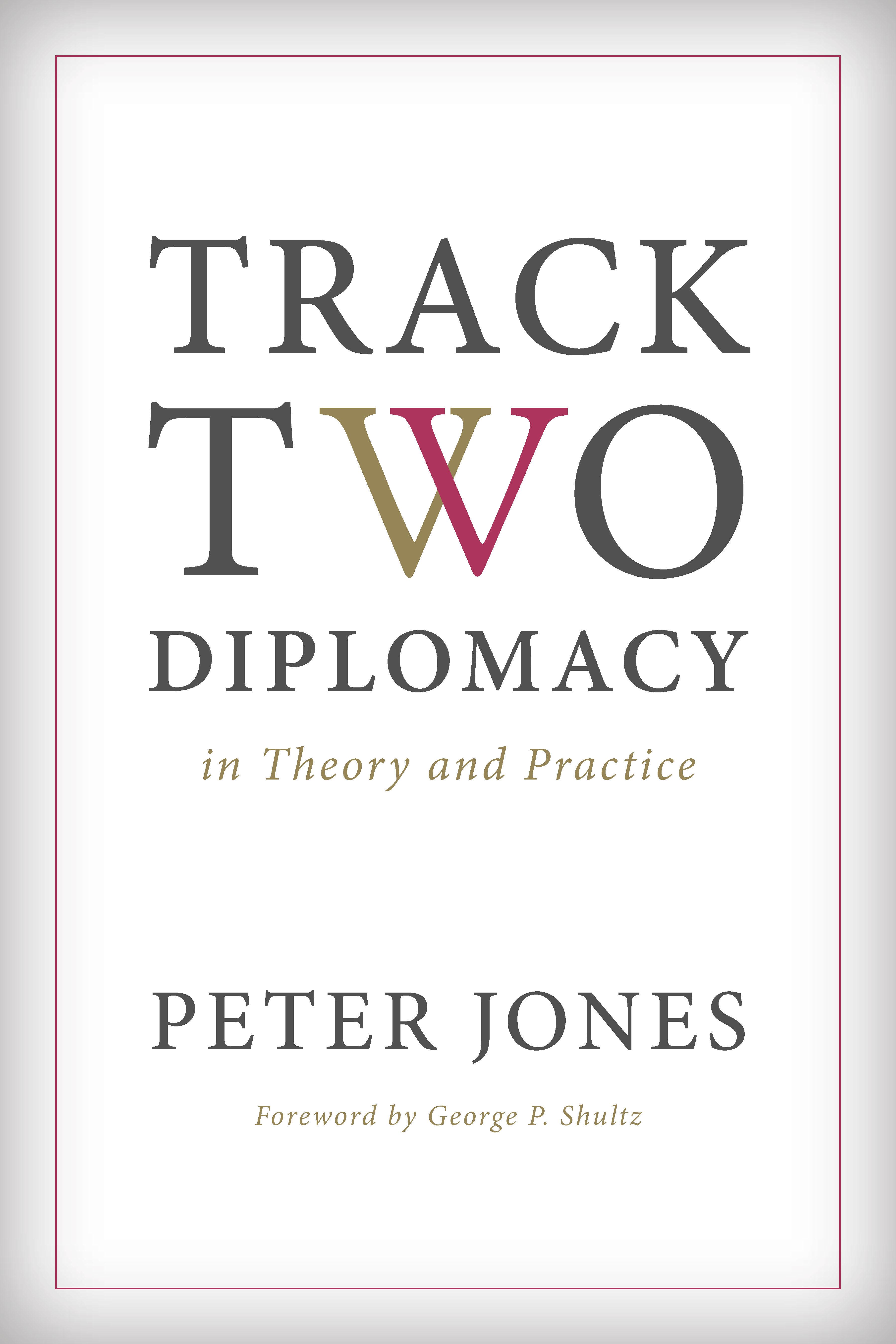
Track Two diplomacy consists of informal dialogues among actors such as academics, religious leaders, retired senior officials, and NGO officials that can bring new ideas and new relationships to the official process of diplomacy.
Sadly, those involved in official diplomacy often have little understanding of and appreciation for the complex and nuanced role that Track Two can play, or for its limitations. And many Track Two practitioners are often unaware of the realities and pressures of the policy and diplomatic worlds, and not particularly adept at framing their efforts to make them accessible to hard-pressed officials. At the same time, those interested in the academic study of Track Two sometimes fail to understand the realities faced by either set of practitioners.
A need therefore exists for a work to bridge the divides between these constituencies and between the different types of Track Two practice—and this book crosses disciplines and traditions in order to do just that. It explores the various dimensions and guises of Track Two, the theory and practice of how they work, and how both practitioners and academics could more profitably assess Track Two. Overall, it provides a comprehensive picture of the range of activities pursued under this title, to provoke new thinking about how these activities relate to each other, to official diplomacy, and to academe.
Pay easily by card, Klarna, Apple Pay or Google Pay. Not happy? You always have a 14-day money-back guarantee. Read more in our terms. If you have any questions, email us at hello@memmo.org.
Memmo makes studying easier – wherever you are in the world. We bring your course books and smart study tools together in one place: summaries, quizzes, podcasts and flashcards. Plus Ted, your study buddy who answers anything you wonder. Over 50,000 students already study here – built to help you learn faster and stress less.