
Latin America has gone through a major transformation in the past two decades. According to the United Nations, with the discovery of new oil and mineral deposits and increases in energy exports, manufacturing and tourism, Latin America's economic growth and development will only continue, foreign investment will increase, and the region's global influence will become greater and greater.
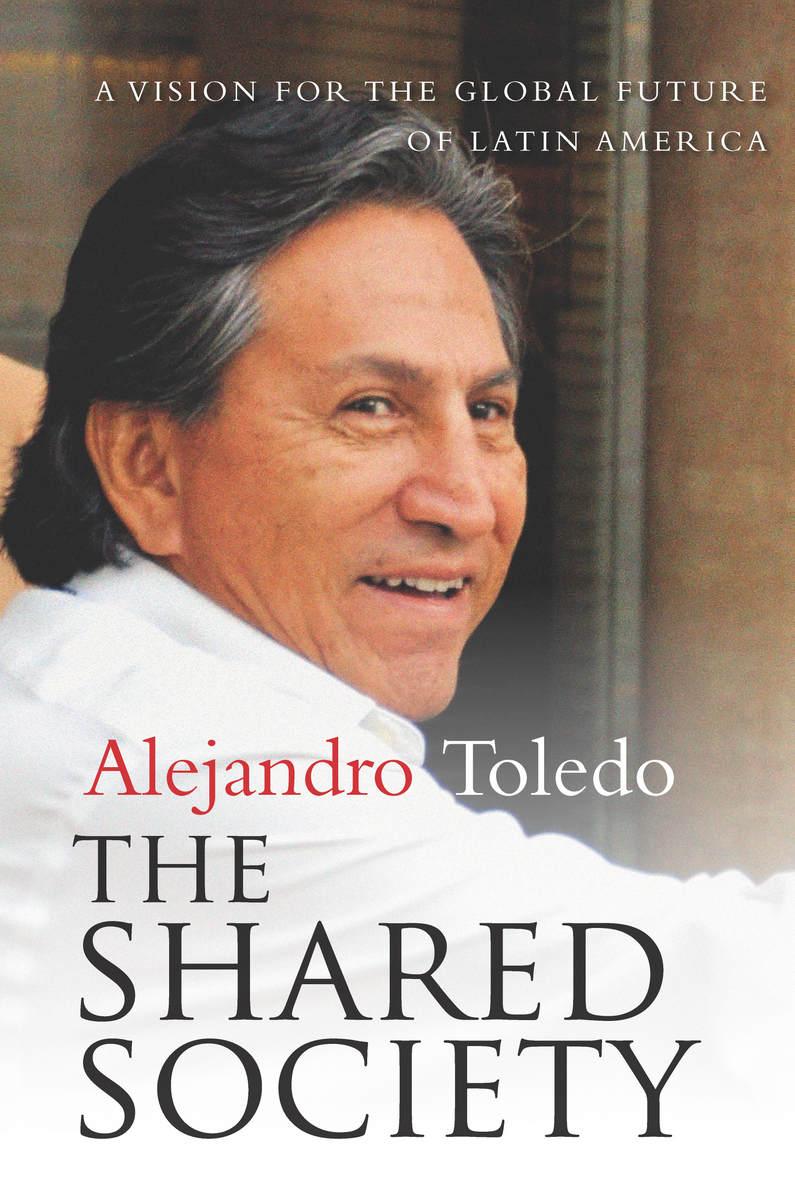
This is an historic opportunity for Latin America. Yet, as Stanford economist and former Peruvian President Alejandro Toledo points out in his new book, The Shared Society, social strife threatens to undermine its recent economic and political progress. The specter of unsustainable growth and greed threatens to compromise the environment. Economic growth rates could slow and democracy could deteriorate into familiar forms of authoritarian populism.
In The Shared Society, Toledo, whose tenure as president of Peru helped spur its economic renaissance, develops a plan for a future Latin America in which its population is not only much better off economically than today, but in which the vast 40 percent of Latin America's poor and marginalized are incorporated into a rising middle class, democratic institutions work more effectively, and the extraordinary ecosystem of Latin America is preserved. This is Toledo's vision for a just, sustainable, and prosperous shared society.
To achieve this, Toledo lays out a set of principles and concrete, implementable ideas with which Latin Americans can reinvent themselves as a leading force for change in a continuously globalizing society beset by inequalities and global problems such as climate change and shortages of clean drinkable water, food security, human rights violations and weak democratic institutions. Toledo argues that only extraordinary efforts of vision, determination, courage and inspired leadership will set Latin America on the path to inclusive development, and this book provides a visionary manifesto and blueprint for creating that ideal shared society.
Pay easily by card, Klarna, Apple Pay or Google Pay. Not happy? You always have a 14-day money-back guarantee. Read more in our terms. If you have any questions, email us at hello@memmo.org.
Memmo makes studying easier – wherever you are in the world. We bring your course books and smart study tools together in one place: summaries, quizzes, podcasts and flashcards. Plus Ted, your study buddy who answers anything you wonder. Over 50,000 students already study here – built to help you learn faster and stress less.