
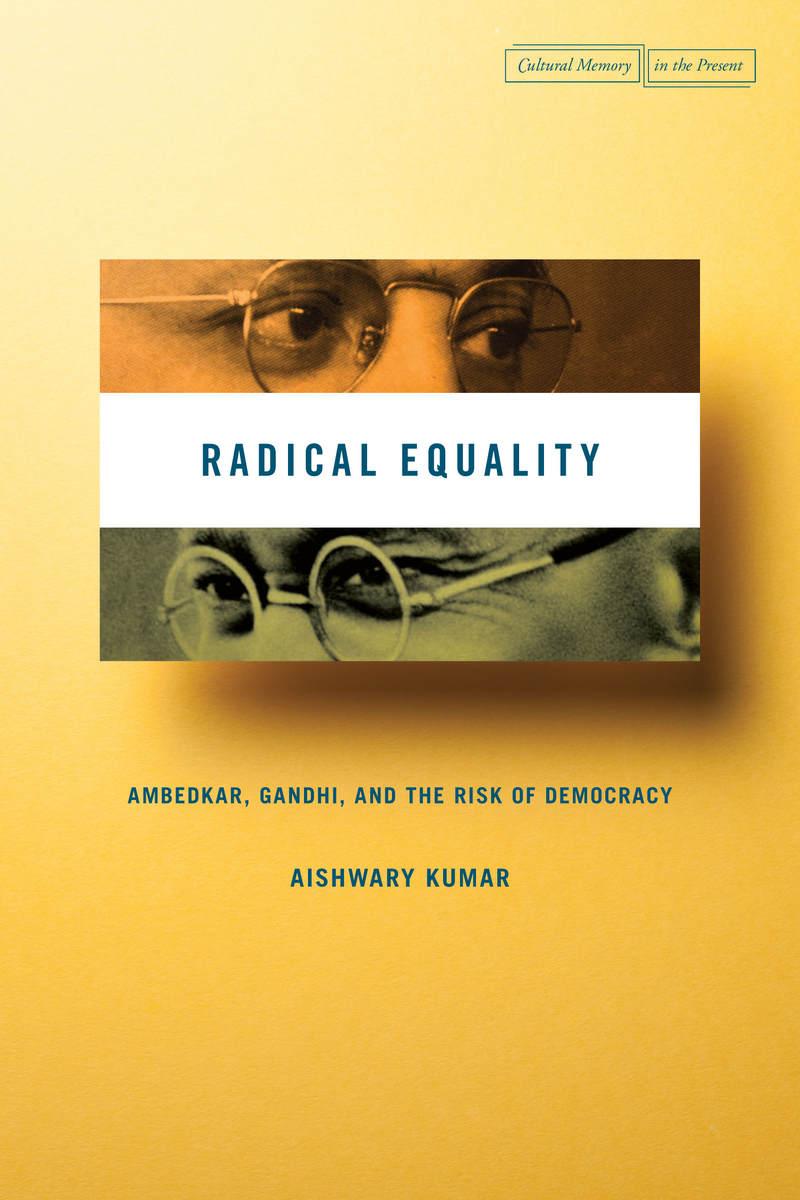
B.R. Ambedkar, the architect of India's constitution, and M.K. Gandhi, the Indian nationalist, two figures whose thought and legacies have most strongly shaped the contours of Indian democracy, are typically considered antagonists who held irreconcilable views on empire, politics, and society. As such, they are rarely studied together. This book reassesses their complex relationship, focusing on their shared commitment to equality and justice, which for them was inseparable from anticolonial struggles for sovereignty.
Both men inherited the concept of equality from Western humanism, but their ideas mark a radical turn in humanist conceptions of politics. This study recovers the philosophical foundations of their thought in Indian and Western traditions, religious and secular alike. Attending to moments of difficulty in their conceptions of justice and their languages of nonviolence, it probes the nature of risk that radical democracy's desire for inclusion opens within modern political thought. In excavating Ambedkar and Gandhi's intellectual kinship, Radical Equality allows them to shed light on each other, even as it places them within a global constellation of moral and political visions. The story of their struggle against inequality, violence, and empire thus transcends national boundaries and unfolds within a universal history of citizenship and dissent.
Pay easily by card, Klarna, Apple Pay or Google Pay. Not happy? You always have a 14-day money-back guarantee. Read more in our terms. If you have any questions, email us at hello@memmo.org.
Memmo makes studying easier – wherever you are in the world. We bring your course books and smart study tools together in one place: summaries, quizzes, podcasts and flashcards. Plus Ted, your study buddy who answers anything you wonder. Over 50,000 students already study here – built to help you learn faster and stress less.