
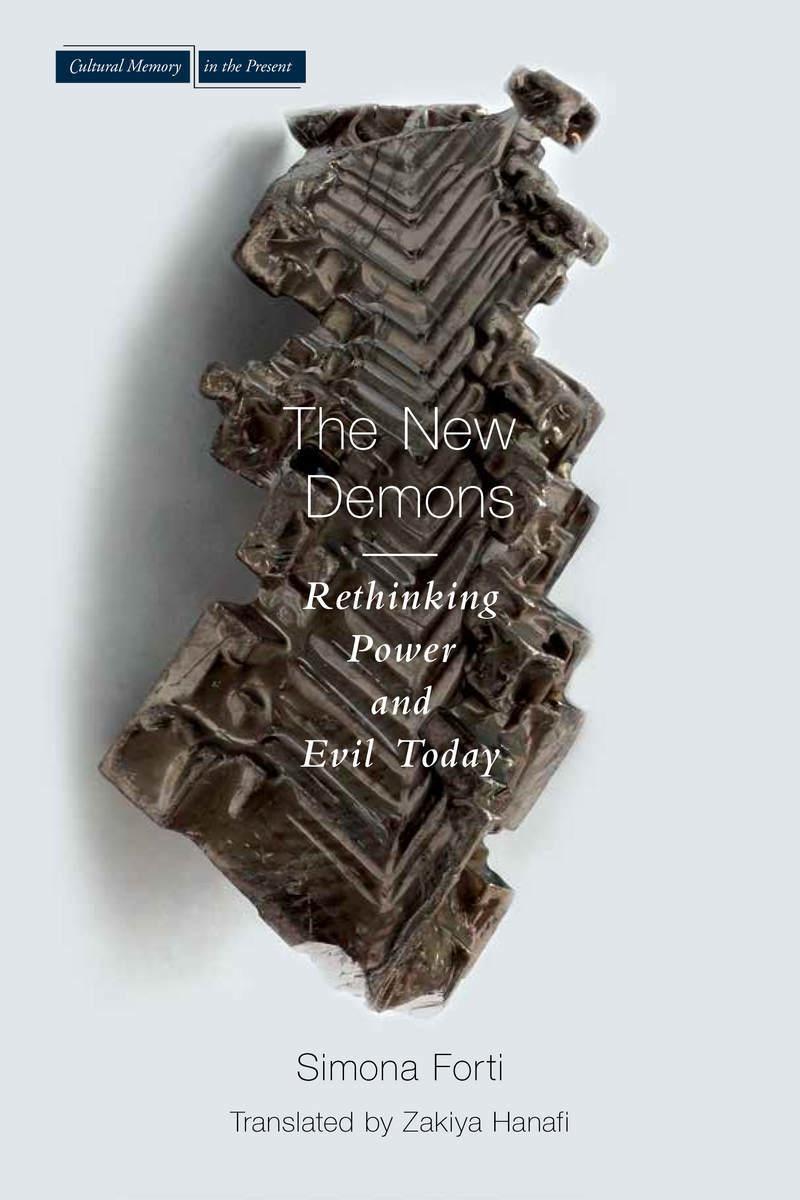
As long as we care about suffering in the world, says political philosopher Simona Forti, we are compelled to inquire into the question of evil. But is the concept of evil still useful in a postmodern landscape where absolute values have been leveled and relativized by a historicist perspective? Given our current unwillingness to judge others, what signposts remain to guide our ethical behavior?
Surveying the nineteenth- and twentieth-century Western philosophical debates on evil, Forti concludes that it is time to leave behind what she calls "the Dostoevsky paradigm": the dualistic vision of an omnipotent monster pitted against absolute, helpless victims. No longer capable of grasping the normalization of evil in today's world—whose structures of power have been transformed—this paradigm has exhausted its explanatory force.
In its place, Forti offers a different genealogy of the relationship between evil and power, one that finally calls into question power's recurrent link to transgression. At the center of contemporary evil she posits the passive attitude towards rule-following, the need for normalcy, and the desire for obedience nurtured by our contemporary mass democracies. In our times, she contends, evil must be explored in tandem with our stubborn desire to stay alive at all costs as much as with our deep need for recognition: the new modern absolutes. A courageous book, New Demons extends an original, inspiring call to ethical living in a biopolitical age.
Pay easily by card, Klarna, Apple Pay or Google Pay. Not happy? You always have a 14-day money-back guarantee. Read more in our terms. If you have any questions, email us at hello@memmo.org.
Memmo makes studying easier – wherever you are in the world. We bring your course books and smart study tools together in one place: summaries, quizzes, podcasts and flashcards. Plus Ted, your study buddy who answers anything you wonder. Over 50,000 students already study here – built to help you learn faster and stress less.