
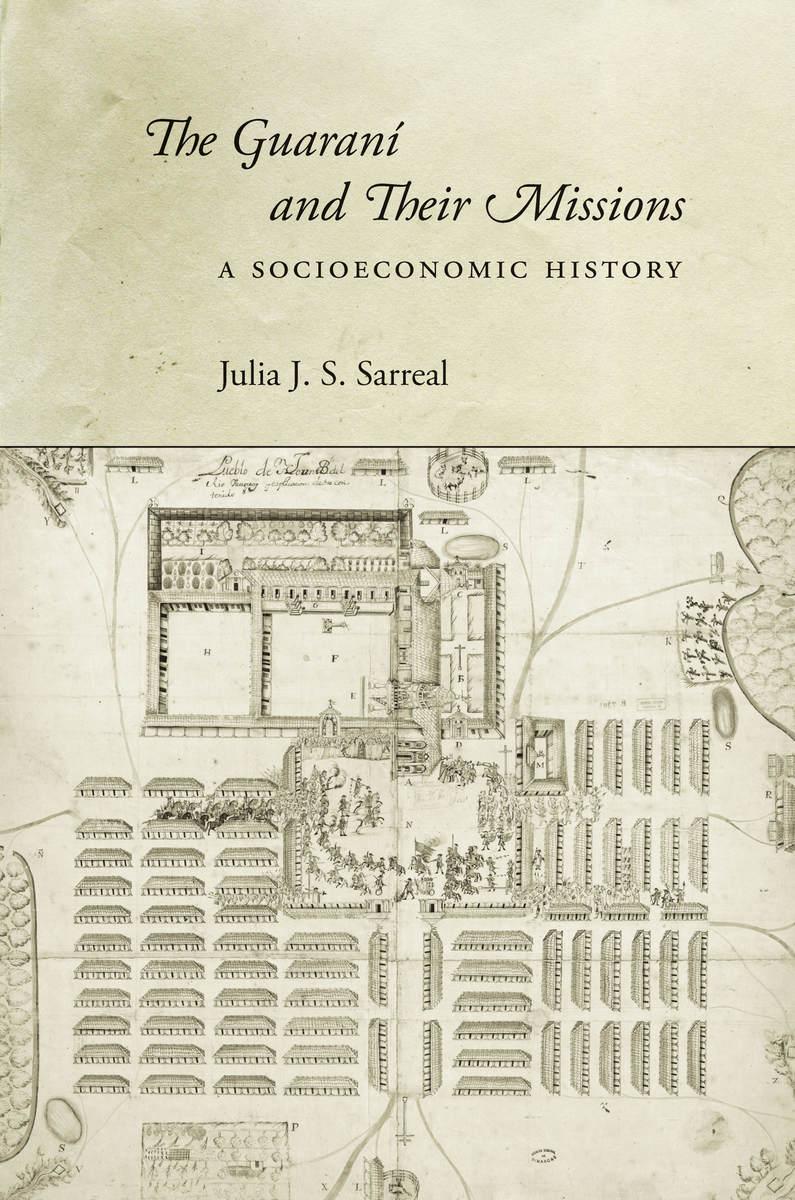
The thirty Guaraní missions of the Río de la Plata were the largest and most prosperous of all the Catholic missions established throughout the frontier regions of the Americas to convert, acculturate, and incorporate indigenous peoples and their lands into the Spanish and Portuguese empires. But between 1768 and 1800, the mission population fell by almost half and the economy became insolvent. This unique socioeconomic history provides a coherent and comprehensive explanation for the missions' operation and decline, providing readers with an understanding of the material changes experienced by the Guaraní in their day-to-day lives.
Although the mission economy funded operations, sustained the population, and influenced daily routines, scholars have not focused on this important aspect of Guaraní history, primarily producing studies of religious and cultural change. This book employs mission account books, letters, and other archival materials to trace the Guaraní mission work regime and to examine how the Guaraní shaped the mission economy. These materials enable the author to poke holes in longheld beliefs about Jesuit mission management and offer original arguments regarding the Bourbon reforms that ultimately made the missions unsustainable.
Pay easily by card, Klarna, Apple Pay or Google Pay. Not happy? You always have a 14-day money-back guarantee. Read more in our terms. If you have any questions, email us at hello@memmo.org.
Memmo makes studying easier – wherever you are in the world. We bring your course books and smart study tools together in one place: summaries, quizzes, podcasts and flashcards. Plus Ted, your study buddy who answers anything you wonder. Over 50,000 students already study here – built to help you learn faster and stress less.