
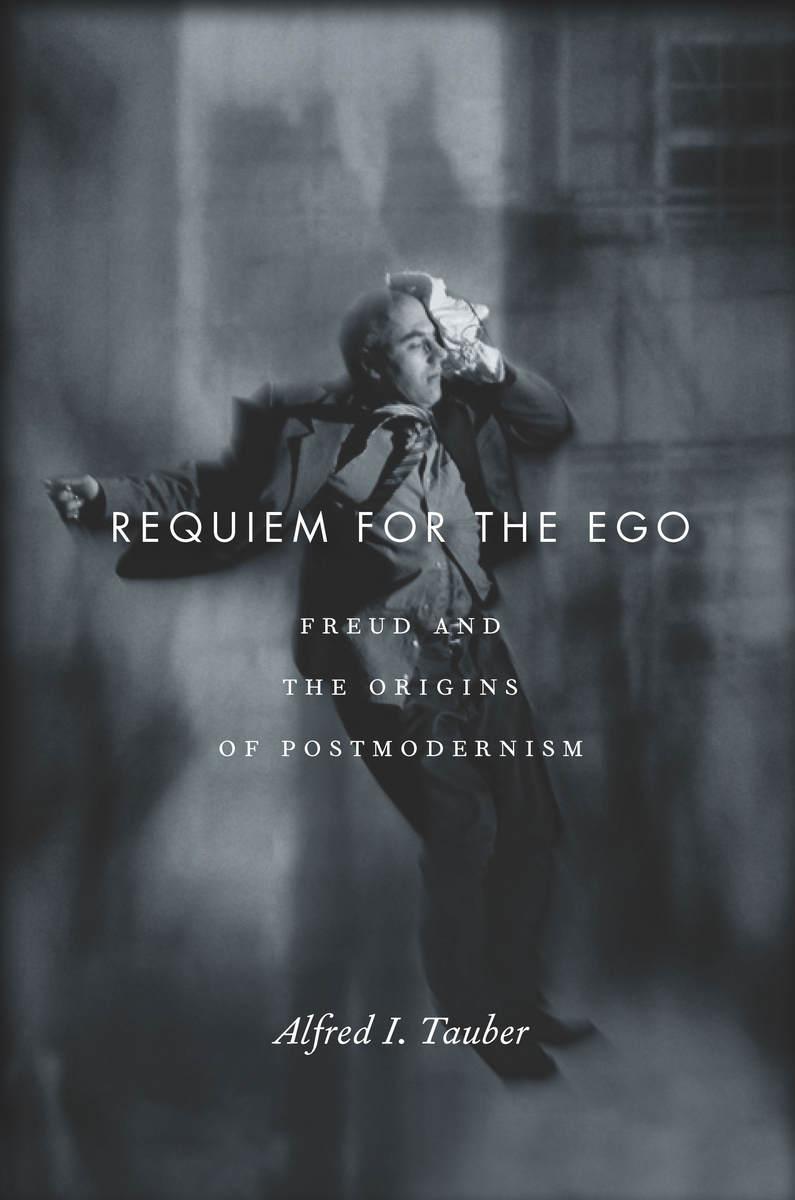
Requiem for the Ego recounts Freud's last great attempt to 'save' the autonomy of the ego, which drew philosophical criticism from the most prominent philosophers of the period—Adorno, Heidegger, and Wittgenstein. Despite their divergent orientations, each contested the ego's capacity to represent mental states through word and symbol to an agent surveying its own cognizance. By discarding the subject-object divide as a model of the mind, they dethroned Freud's depiction of the ego as a conceit of a misleading self-consciousness and a faulty metaphysics. Freud's inquisitors, while employing divergent arguments, found unacknowledged consensus in identifying the core philosophical challenges of defining agency and describing subjectivity. In Requiem, Tauber uniquely synthesizes these philosophical attacks against psychoanalysis and, more generally, provides a kaleidoscopic portrait of the major developments in mid-20th century philosophy that prepared the conceptual grounding for postmodernism.
Pay easily by card, Klarna, Apple Pay or Google Pay. Not happy? You always have a 14-day money-back guarantee. Read more in our terms. If you have any questions, email us at hello@memmo.org.
Memmo makes studying easier – wherever you are in the world. We bring your course books and smart study tools together in one place: summaries, quizzes, podcasts and flashcards. Plus Ted, your study buddy who answers anything you wonder. Over 50,000 students already study here – built to help you learn faster and stress less.