
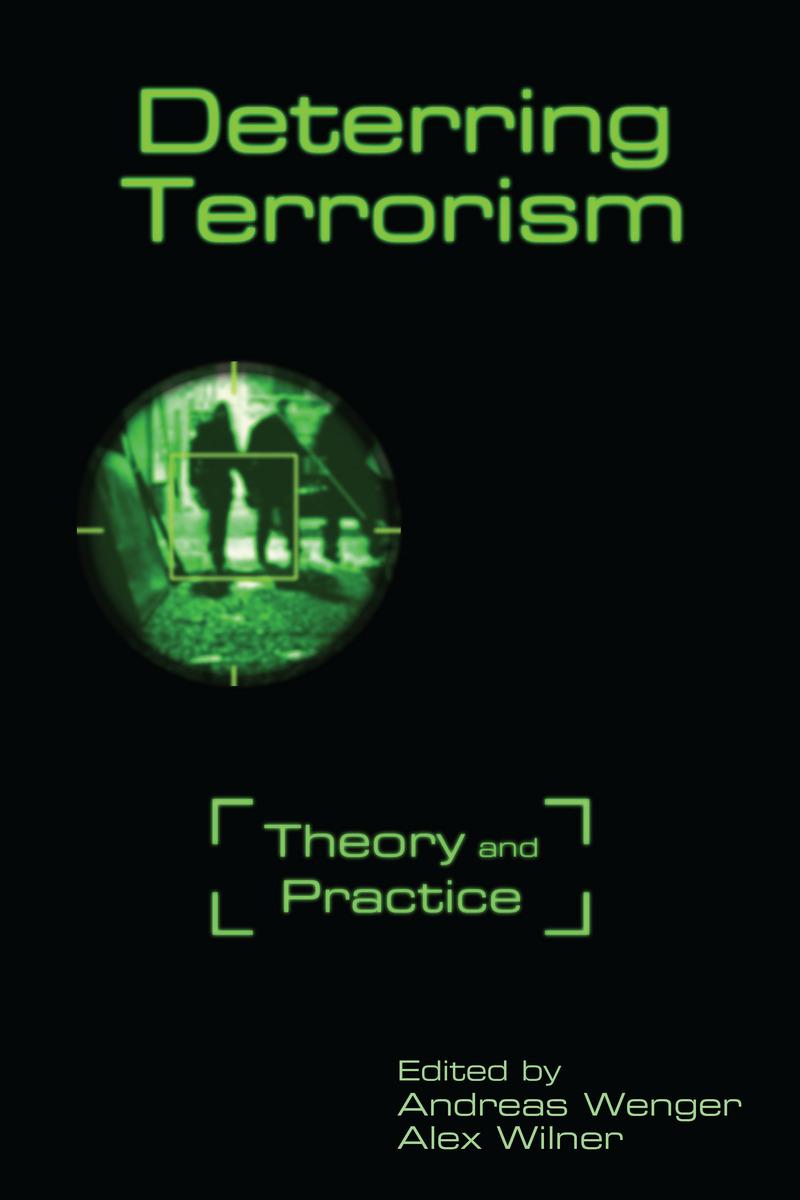
During the Cold War, deterrence theory was the cornerstone of U.S. foreign policy. Following the 9/11 terrorist attacks, however, popular wisdom dictated that terrorist organizations and radical fanatics could not be deterred—and governments shifted their attention to combating terrorism rather than deterring it.
This book challenges that prevailing assumption and offers insight as to when and where terrorism can be deterred. It first identifies how and where theories of deterrence apply to counterterrorism, highlighting how traditional and less-traditional notions of deterrence can be applied to evolving terrorist threats. It then applies these theoretical propositions to real-world threats to establish the role deterrence has within a dynamic counterterrorism strategy—and to identify how metrics can be created for measuring the success of terrorism deterrence strategies. In sum, it provides a foundation for developing effective counterterrorism policies to help states contain or curtail the terrorism challenges they face.
Pay easily by card, Klarna, Apple Pay or Google Pay. Not happy? You always have a 14-day money-back guarantee. Read more in our terms. If you have any questions, email us at hello@memmo.org.
Memmo makes studying easier – wherever you are in the world. We bring your course books and smart study tools together in one place: summaries, quizzes, podcasts and flashcards. Plus Ted, your study buddy who answers anything you wonder. Over 50,000 students already study here – built to help you learn faster and stress less.