
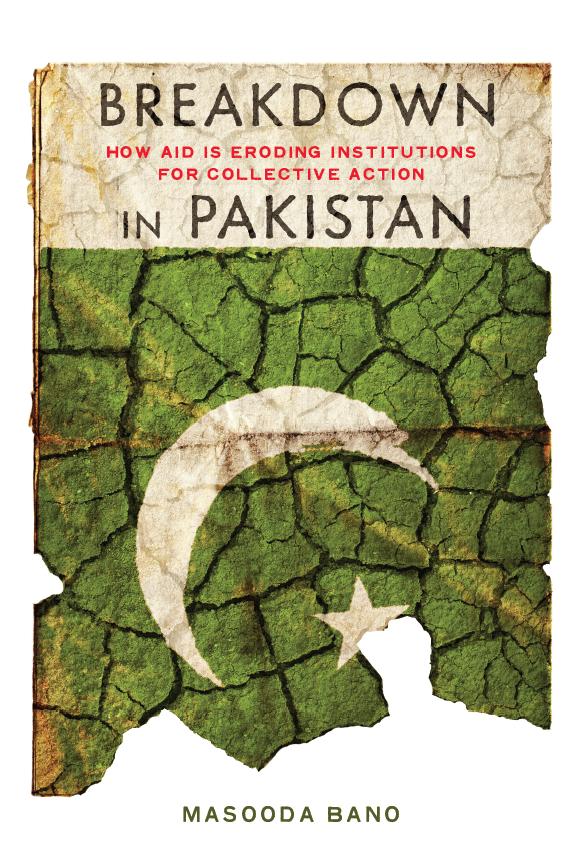
Thirty percent of foreign development aid is channeled through NGOs or community-based organizations to improve service delivery to the poor, build social capital, and establish democracy in developing nations. However, growing evidence suggests that aid often erodes, rather than promotes, cooperation within developing nations. This book presents a rare, micro level account of the complex decision-making processes that bring individuals together to form collective-action platforms. It then examines why aid often breaks down the very institutions for collective action that it aims to promote.
Breakdown in Pakistan identifies concrete measures to check the erosion of cooperation in foreign aid scenarios. Pakistan is one of the largest recipients of international development aid, and therefore the empirical details presented are particularly relevant for policy. The book's argument is equally applicable to a number of other developing countries, and has important implications for recent discussions within the field of economics.
Pay easily by card, Klarna, Apple Pay or Google Pay. Not happy? You always have a 14-day money-back guarantee. Read more in our terms. If you have any questions, email us at hello@memmo.org.
Memmo makes studying easier – wherever you are in the world. We bring your course books and smart study tools together in one place: summaries, quizzes, podcasts and flashcards. Plus Ted, your study buddy who answers anything you wonder. Over 50,000 students already study here – built to help you learn faster and stress less.