
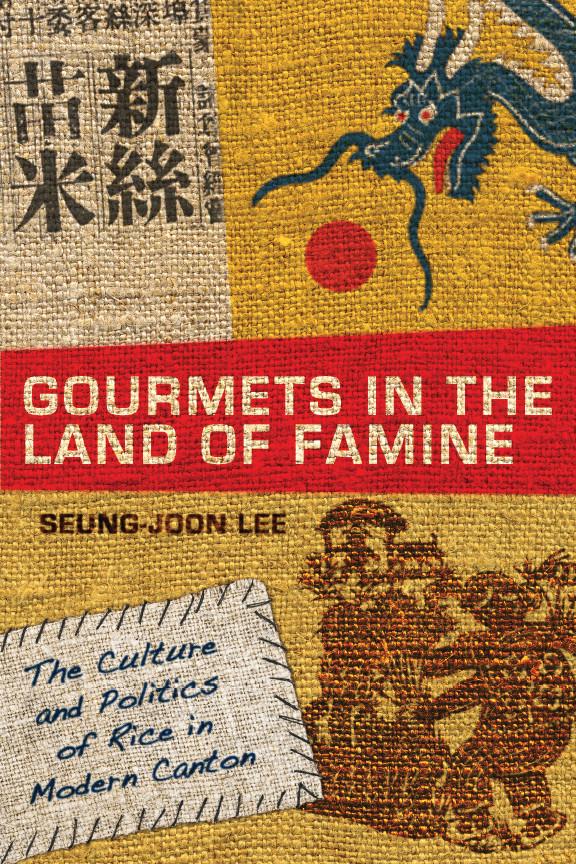
A study of the politics of rice in Canton, this book sheds new light on the local history of the city and illuminates how China's struggles with food shortages in the early twentieth century unfolded and the ways in which they were affected by the rise of nationalism and the fluctuation of global commerce.
Author Seung-joon Lee profiles Canton as an exemplary site of provisioning, a critical gateway for foreign rice importation and distribution through the Pearl River Delta, which found its prized import, and thus its food security, threatened by the rise of Chinese nationalism. Lee argues that the modern Chinese state's attempts to promote domestically-produced "national rice" and to tax rice imported through the transnational trade networks were doomed to failure, as a focus on rice production ignored the influential factor of rice quality. Indeed, China's domestic rice promotion program resulted in an unprecedented famine in Canton in 1936. This book contends that the ways in which the Guomindang government dealt with the issue of food security, and rice in particular, is best understood in the context of its preoccupation with science, technology, and progressivism, a departure from the conventional explanations that cite governmental incompetence.
Pay easily by card, Klarna, Apple Pay or Google Pay. Not happy? You always have a 14-day money-back guarantee. Read more in our terms. If you have any questions, email us at hello@memmo.org.
Memmo makes studying easier – wherever you are in the world. We bring your course books and smart study tools together in one place: summaries, quizzes, podcasts and flashcards. Plus Ted, your study buddy who answers anything you wonder. Over 50,000 students already study here – built to help you learn faster and stress less.