
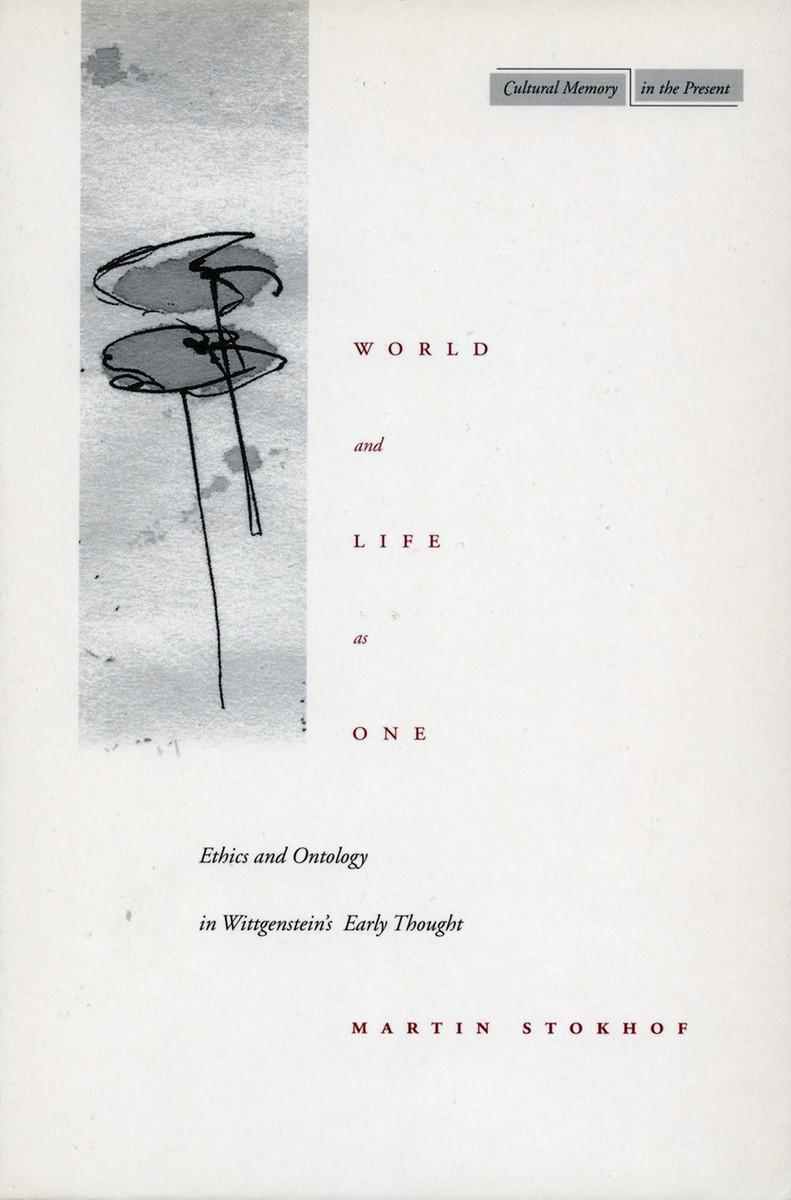
This book explores in detail the relation between ontology and ethics in the early work of Ludwig Wittgenstein, notably the Tractatus Logico-Philosophicus and, to a lesser extent, the Notebooks 1914-1916. Self-contained and requiring no prior knowledge of Wittgenstein's thought, it is the first book-length argument that his views on ethics decisively shaped his ontological and semantic thought.
The book's main thesis is twofold. It argues that the ontological theory of the Tractatus is fundamentally dependent on its logical and linguistic doctrines: the tractarian world is the world as it appears in language and thought. It also maintains that this interpretation of the ontology of the Tractatus can be argued for not only on systematic grounds, but also via the contents of the ethical theory that it offers. Wittgenstein's views on ethics presuppose that language and thought are but one way in which we interact with reality.
Although detailed studies of Wittgenstein's ontology and ethics exist, this book is the first thorough investigation of the relationship between them. As an introduction to Wittgenstein, it sheds new light on an important aspect of his early thought.
Pay easily by card, Klarna, Apple Pay or Google Pay. Not happy? You always have a 14-day money-back guarantee. Read more in our terms. If you have any questions, email us at hello@memmo.org.
Memmo makes studying easier – wherever you are in the world. We bring your course books and smart study tools together in one place: summaries, quizzes, podcasts and flashcards. Plus Ted, your study buddy who answers anything you wonder. Over 50,000 students already study here – built to help you learn faster and stress less.