
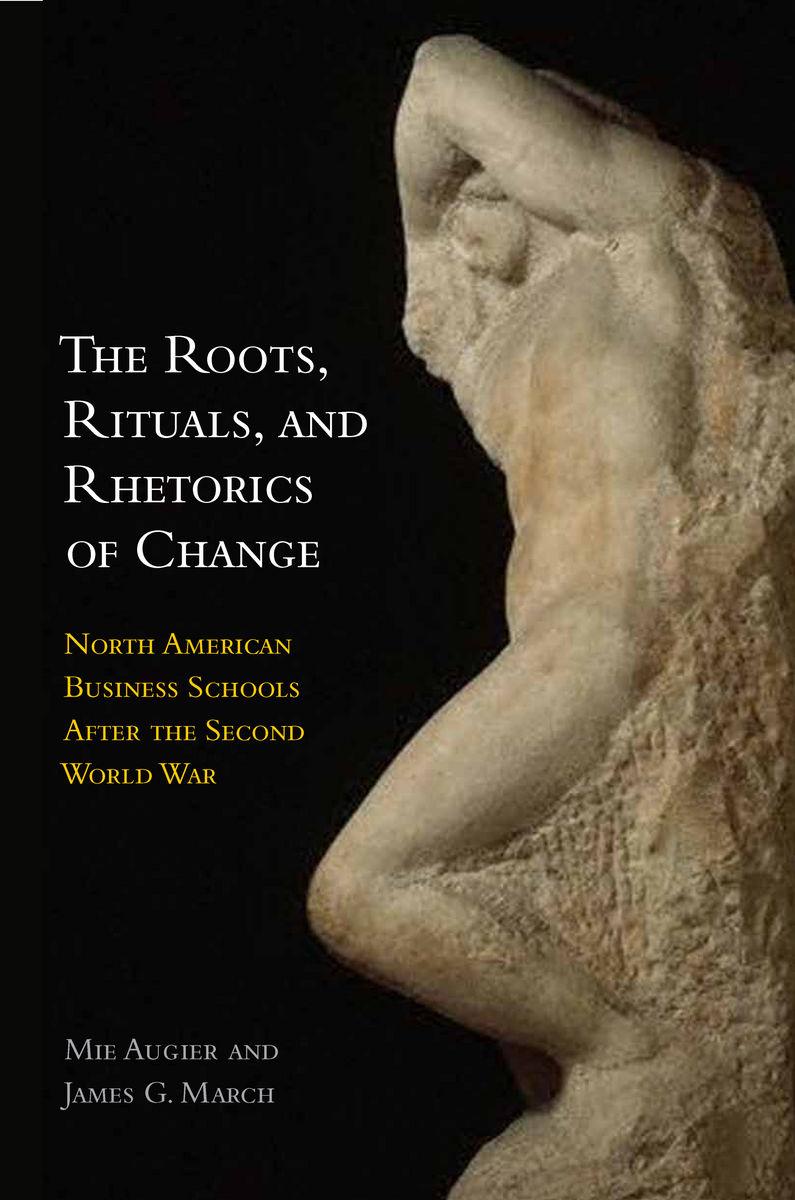
Some rather remarkable changes took place in North American business schools between 1945 and 1970, altering the character of these institutions, the possibilities for their future, and the terms of discourse about them. This period represents a minor revolution, during which business school are reported to have become more academic, more analytic, and more quantitative.
The Roots, Rituals, and Rhetorics of Change considers these changes and explores their roots. It traces the origins of this quiet revolution and shows how it shaped discussions about management education, leading to a shift in that weakened the place of business cases and experiential knowledge and strengthened support for a concept of professionalism that applied to management.
The text considers how the rhetoric of change was organized around three core questions: Should business schools concern themselves primarily with experiential knowledge or with academic knowledge? What vision of managers and management should be reflected by business schools? How should managerial education connect its teaching to some version of reality?
Pay easily by card, Klarna, Apple Pay or Google Pay. Not happy? You always have a 14-day money-back guarantee. Read more in our terms. If you have any questions, email us at hello@memmo.org.
Memmo makes studying easier – wherever you are in the world. We bring your course books and smart study tools together in one place: summaries, quizzes, podcasts and flashcards. Plus Ted, your study buddy who answers anything you wonder. Over 50,000 students already study here – built to help you learn faster and stress less.