
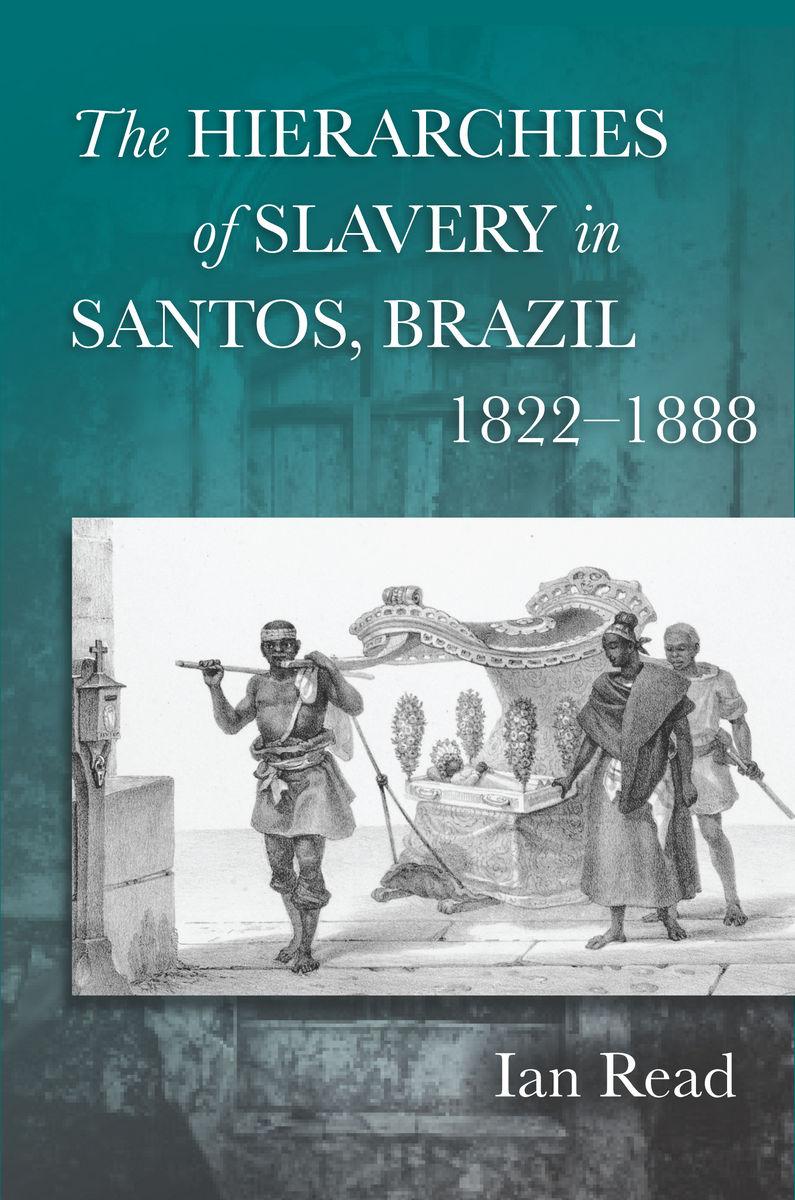
Despite the inherent brutality of slavery, some slaves could find small but important opportunities to act decisively. The Hierarchies of Slavery in Santos, Brazil, 1822–1888 explores such moments of opportunity and resistance in Santos, a Southeastern township in Imperial Brazil. It argues that slavery in Brazil was hierarchical: slaves' fleeting chances to form families, work jobs that would not kill or maim, avoid debilitating diseases, or find a (legal or illegal) pathway out of slavery were highly influenced by their demographic background and their owners' social position. By tracing the lives of slaves and owners through multiple records, the author is able to show that the cruelties that slaves faced were not equally shared. One important implication is that internal stratification likely helped perpetuate slavery because there was the belief, however illusionary, that escaping captivity was not necessary for social mobility.
Pay easily by card, Klarna, Apple Pay or Google Pay. Not happy? You always have a 14-day money-back guarantee. Read more in our terms. If you have any questions, email us at hello@memmo.org.
Memmo makes studying easier – wherever you are in the world. We bring your course books and smart study tools together in one place: summaries, quizzes, podcasts and flashcards. Plus Ted, your study buddy who answers anything you wonder. Over 50,000 students already study here – built to help you learn faster and stress less.