
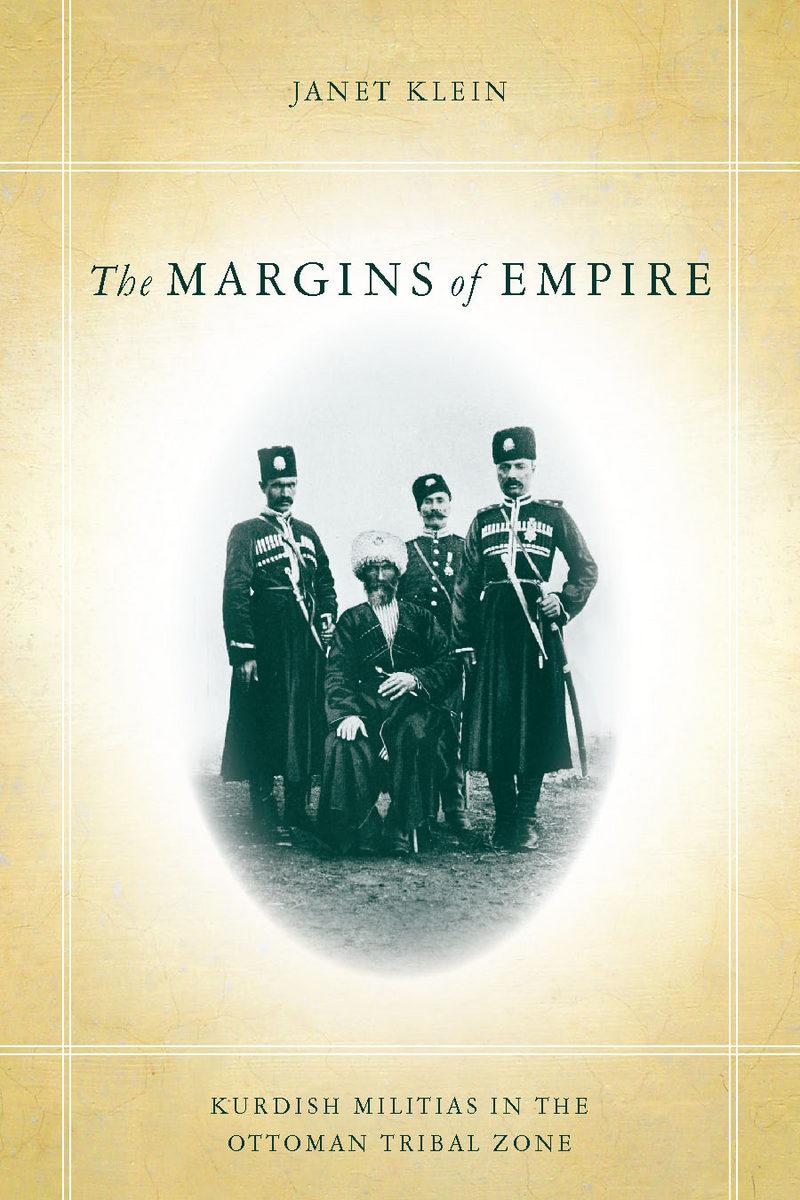
At the turn of the twentieth century, the Ottoman state identified multiple threats in its eastern regions. In an attempt to control remote Kurdish populations, Ottoman authorities organized them into a tribal militia and gave them the task of subduing a perceived Armenian threat. Following the story of this militia, Klein explores the contradictory logic of how states incorporate groups they ultimately aim to suppress and how groups who seek autonomy from the state often attempt to do so through state channels.
In the end, Armenian revolutionaries were not suppressed and Kurdish leaders, whose authority the state sought to diminish, were empowered. The tribal militia left a lasting impact on the region and on state-society and Kurdish-Turkish relations. Putting a human face on Ottoman-Kurdish histories while also addressing issues of state-building, local power dynamics, violence, and dispossession, this book engages vividly in the study of the paradoxes inherent in modern statecraft.
Pay easily by card, Klarna, Apple Pay or Google Pay. Not happy? You always have a 14-day money-back guarantee. Read more in our terms. If you have any questions, email us at hello@memmo.org.
Memmo makes studying easier – wherever you are in the world. We bring your course books and smart study tools together in one place: summaries, quizzes, podcasts and flashcards. Plus Ted, your study buddy who answers anything you wonder. Over 50,000 students already study here – built to help you learn faster and stress less.