
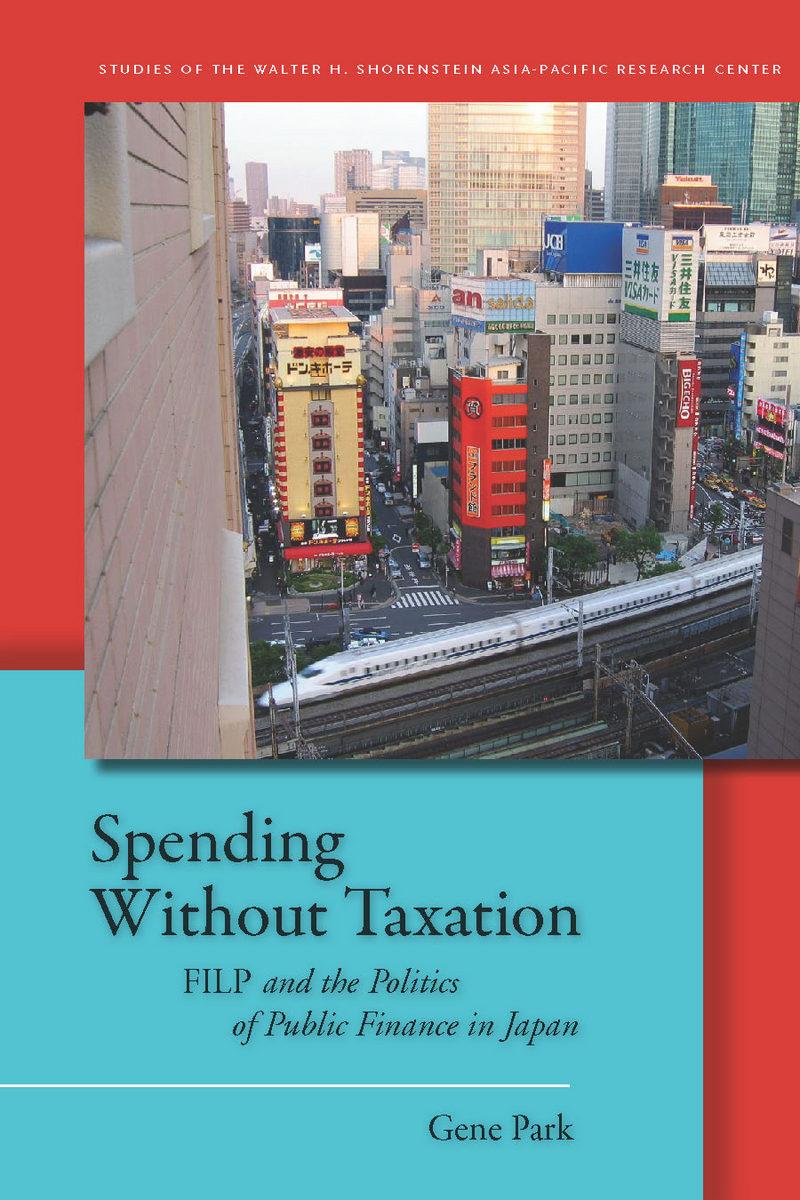
Governments confront difficult political choices when they must determine how to balance their spending. But what would happen if a government found a means of spending without taxation? In this book, Gene Park demonstrates how the Japanese government established and mobilized an enormous off-budget spending system, the Fiscal Investment Loan Program (FILP), which drew on postal savings, public pensions, and other funds to pay for its priorities and reduce demands on the budget.
Park's book argues that this system underwrote a distinctive postwar political bargain, one that eschewed the rise of the welfare state and Keynesianism, but that also came with long-term political and economic costs that continue to this day. By drawing attention to FILP, this study resolves key debates in Japanese politics and also makes a larger point about public finance, demonstrating that governments can finance their activities not only through taxes but also through financial mechanisms to allocate credit and investment. Such "policy finance" is an important but often overlooked form of public finance that can change the political calculus of government fiscal choices.
Pay easily by card, Klarna, Apple Pay or Google Pay. Not happy? You always have a 14-day money-back guarantee. Read more in our terms. If you have any questions, email us at hello@memmo.org.
Memmo makes studying easier – wherever you are in the world. We bring your course books and smart study tools together in one place: summaries, quizzes, podcasts and flashcards. Plus Ted, your study buddy who answers anything you wonder. Over 50,000 students already study here – built to help you learn faster and stress less.