
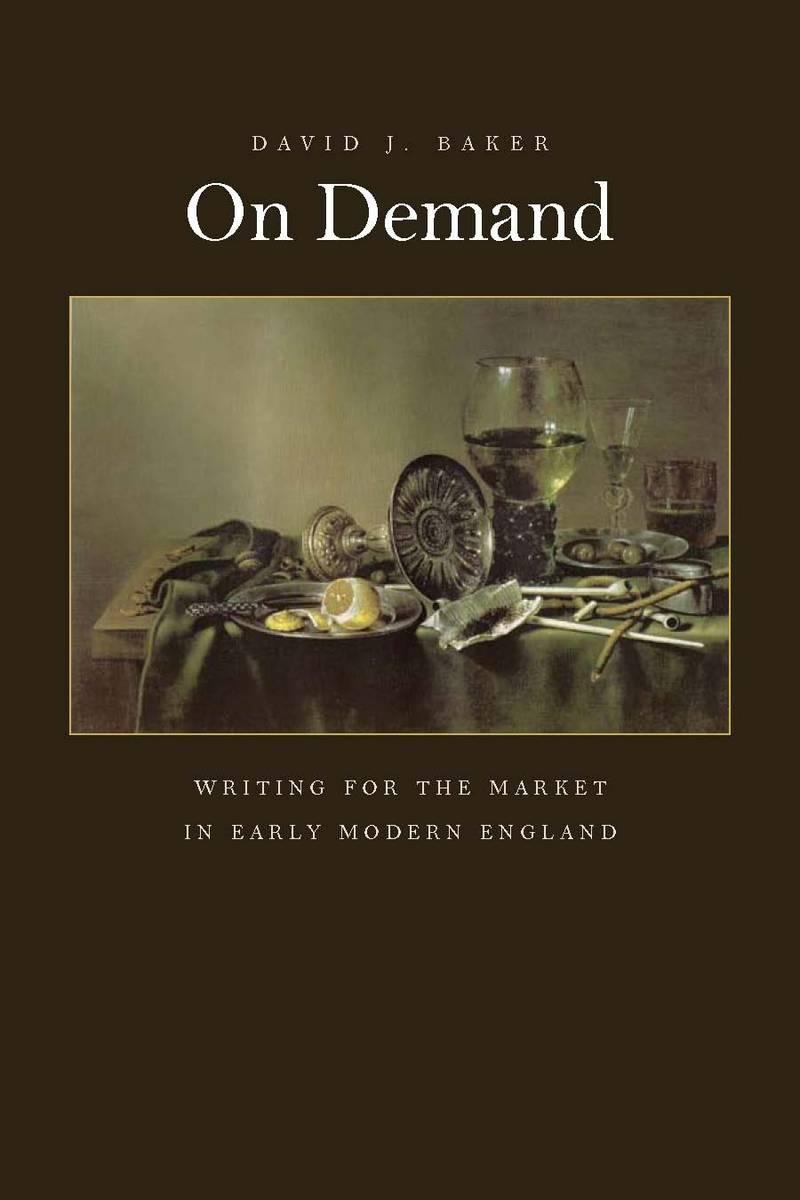
In early modern England, while moralists railed against the theater as wasteful and depraved and inflation whittled away at the value of wages, people attended the theater in droves. On Demand draws on recent economic history and theory to account for this puzzling consumer behavior. He shows that during this period demand itself, with its massed acquisitive energies, transformed the English economy. Over the long sixteenth-century consumption burgeoned, though justifications for it lagged behind. People were in a curious predicament: they practiced consumption on a mass scale but had few acceptable reasons for doing so. In the literary marketplace, authors became adept at accommodating such contradictions fashioning works that spoke to self-divided consumers: Thomas Nashe castigated and satiated them at the same time . William Shakespeare satirized credit problems. Ben Jonson investigated the problems of global trade, and Robert Burton enlisted readers in a project of economic betterment.
Pay easily by card, Klarna, Apple Pay or Google Pay. Not happy? You always have a 14-day money-back guarantee. Read more in our terms. If you have any questions, email us at hello@memmo.org.
Memmo makes studying easier – wherever you are in the world. We bring your course books and smart study tools together in one place: summaries, quizzes, podcasts and flashcards. Plus Ted, your study buddy who answers anything you wonder. Over 50,000 students already study here – built to help you learn faster and stress less.