
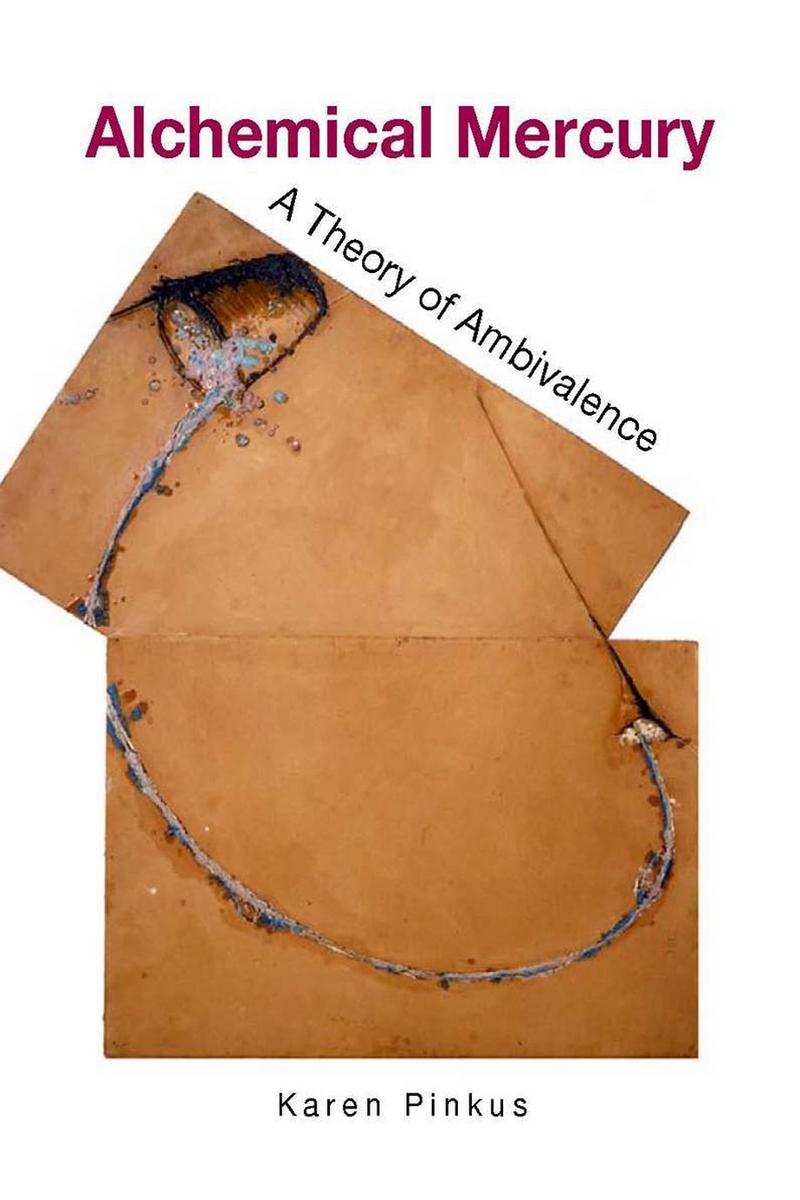
How can we account, in a rigorous way, for alchemy's ubiquity? We think of alchemy as the transformation of a base material (usually lead) into gold, but "alchemy" is a word in wide circulation in everyday life, often called upon to fulfill a metaphoric duty as the magical transformation of materials. Almost every culture and time has had some form of alchemy. This book looks at alchemy, not at any one particular instance along the historical timeline, not as a practice or theory, not as a mode of redemption, but as a theoretical problem, linked to real gold and real production in the world. What emerges as the least common denominator or "intensive property" of alchemy is ambivalence, the impossible and paradoxical coexistence of two incompatible elements. Alchemical Mercury moves from antiquity, through the golden age of alchemy in the Dutch seventeenth century, to conceptual art, to alternative fuels, stopping to think with writers such as Dante, Goethe, Hoffmann, the Grimm Brothers, George Eliot, and Marx. Eclectic and wide-ranging, this is the first study to consider alchemy in relation to literary and visual theory in a comprehensive way.
Pay easily by card, Klarna, Apple Pay or Google Pay. Not happy? You always have a 14-day money-back guarantee. Read more in our terms. If you have any questions, email us at hello@memmo.org.
Memmo makes studying easier – wherever you are in the world. We bring your course books and smart study tools together in one place: summaries, quizzes, podcasts and flashcards. Plus Ted, your study buddy who answers anything you wonder. Over 50,000 students already study here – built to help you learn faster and stress less.