
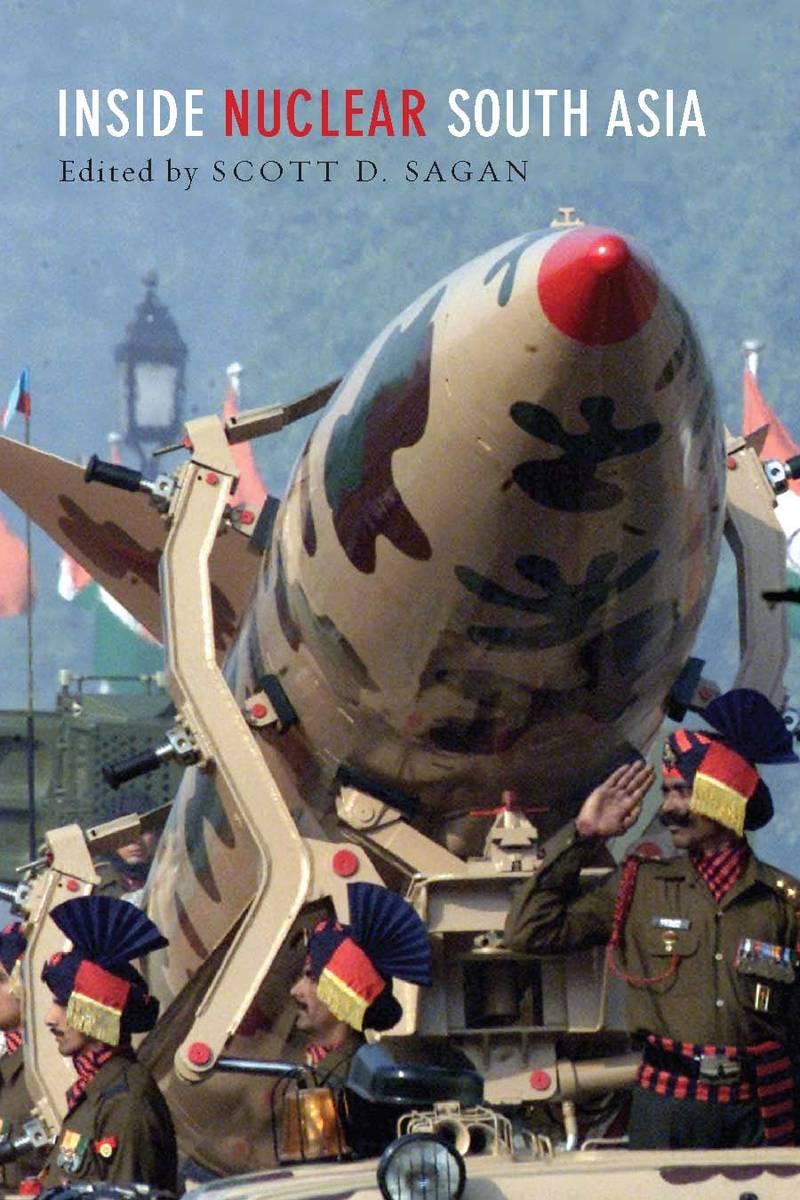
Nuclear-armed adversaries India and Pakistan have fought three wars since their creation as sovereign states in 1947. They went to the brink of a fourth in 2001 following an attack on the Indian parliament, which the Indian government blamed on the Pakistan-backed Lashkar-e-Taiba and Jaish-e-Mohammed terrorist organizations. Despite some attempts at rapprochement in the intervening years, a new standoff between the two countries was precipitated when India accused Lashkar-e-Taiba of being behind the Mumbai attacks late last year.
The relentlessness of the confrontations between these two nations makes Inside Nuclear South Asia a must read for anyone wishing to gain a thorough understanding of the spread of nuclear weapons in South Asia and the potential consequences of nuclear proliferation on the subcontinent.
The book begins with an analysis of the factors that led to India's decision to cross the nuclear threshold in 1998, with Pakistan close behind: factors such as the broad political support for a nuclear weapons program within India's ruling Bharatiya Janata Party (BJP), the intense rivalry between the two countries, the normative and prestige factors that influenced their behaviors, and ultimately the perceived threat to their respective national security.
The second half of the book analyzes the consequences of nuclear proliferation on the subcontinent. These chapters show that the presence of nuclear weapons in South Asia has increased the frequency and propensity of low-level violence, further destabilizing the region. Additionally, nuclear weapons in India and Pakistan have led to serious political changes that also challenge the ability of the two states to produce stable nuclear détente. Thus, this book provides both new insights into the domestic politics behind specific nuclear policy choices in South Asia, a critique of narrow realist views of nuclear proliferation, and the dangers of nuclear proliferation in South Asia.
Pay easily by card, Klarna, Apple Pay or Google Pay. Not happy? You always have a 14-day money-back guarantee. Read more in our terms. If you have any questions, email us at hello@memmo.org.
Memmo makes studying easier – wherever you are in the world. We bring your course books and smart study tools together in one place: summaries, quizzes, podcasts and flashcards. Plus Ted, your study buddy who answers anything you wonder. Over 50,000 students already study here – built to help you learn faster and stress less.