
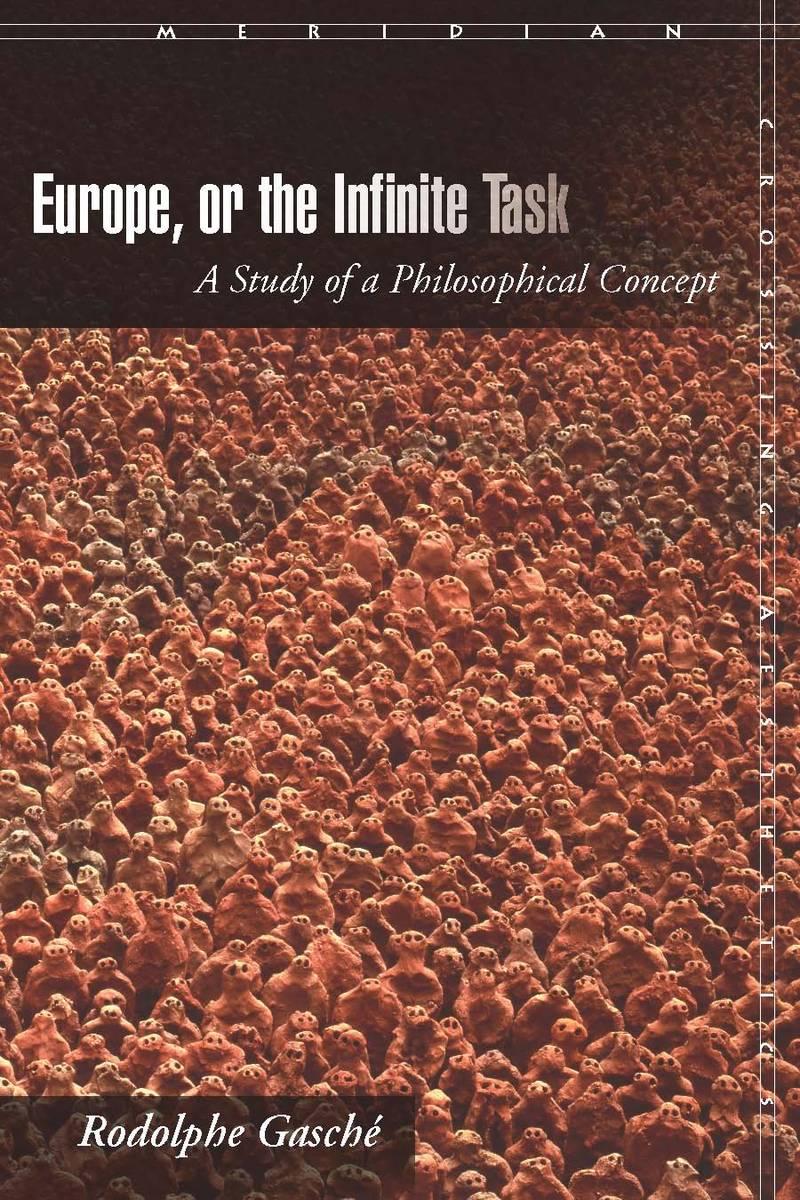
What exactly does "Europe" mean for philosophy today? Putting aside both Eurocentrism and anti-Eurocentrism, Gasché returns to the old name "Europe" to examine it as a concept or idea in the work of four philosophers from the phenomenological tradition: Husserl, Heidegger, Patočka, and Derrida. Beginning with Husserl, the idea of Europe became central to such issues as rationality, universality, openness to the other, and responsibility. Europe, or The Infinite Task tracks the changes these issues have undergone in phenomenology in order to investigate "Europe's" continuing potential for critical and enlightened resistance in a world that is progressively becoming dominated by the mono-perspectivism of global market economics. Rather than giving up on the idea of Europe as an anachronism, Gasché aims to show that it still has philosophical legs.
Pay easily by card, Klarna, Apple Pay or Google Pay. Not happy? You always have a 14-day money-back guarantee. Read more in our terms. If you have any questions, email us at hello@memmo.org.
Memmo makes studying easier – wherever you are in the world. We bring your course books and smart study tools together in one place: summaries, quizzes, podcasts and flashcards. Plus Ted, your study buddy who answers anything you wonder. Over 50,000 students already study here – built to help you learn faster and stress less.