
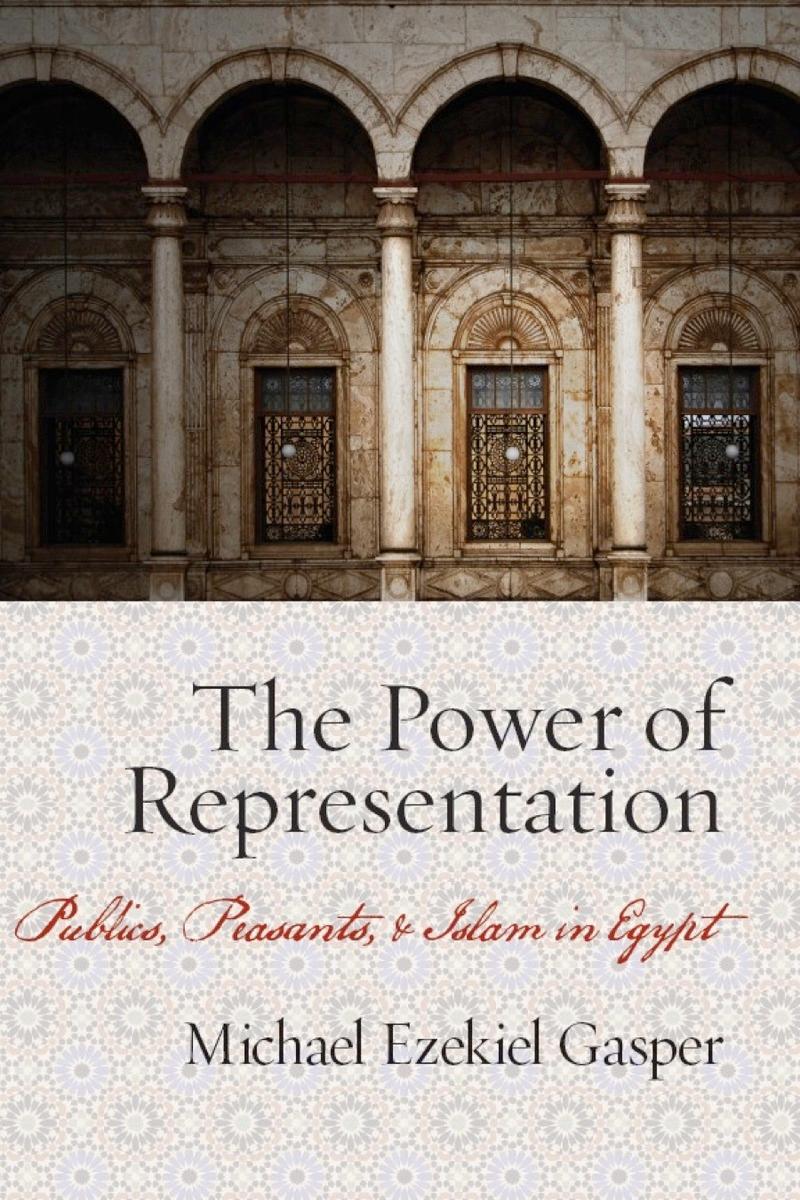
The Power of Representation traces the emergence of modern Egyptian national identity from the mid-1870s through the 1910s. During this period, a new class of Egyptian urban intellectuals—teachers, lawyers, engineers, clerks, accountants, and journalists—came into prominence. Adapting modern ideas of individual moral autonomy and universal citizenship, this group reconfigured religiously informed notions of the self and created a national sense of "Egyptian-ness" drawn from ideas about Egypt's large peasant population.
The book breaks new ground by calling into question the notion, common in historiography of the modern Middle East and the Muslim world in general, that in the nineteenth century "secular" aptitudes and areas of competency were somehow separate from "religious" ones. Instead, by tying the burgeoning Islamic modernist movement to the process of identity formation and its attendant political questions Michael Gasper shows how religion became integral to modern Egyptian political, social, and cultural life.
Pay easily by card, Klarna, Apple Pay or Google Pay. Not happy? You always have a 14-day money-back guarantee. Read more in our terms. If you have any questions, email us at hello@memmo.org.
Memmo makes studying easier – wherever you are in the world. We bring your course books and smart study tools together in one place: summaries, quizzes, podcasts and flashcards. Plus Ted, your study buddy who answers anything you wonder. Over 50,000 students already study here – built to help you learn faster and stress less.