
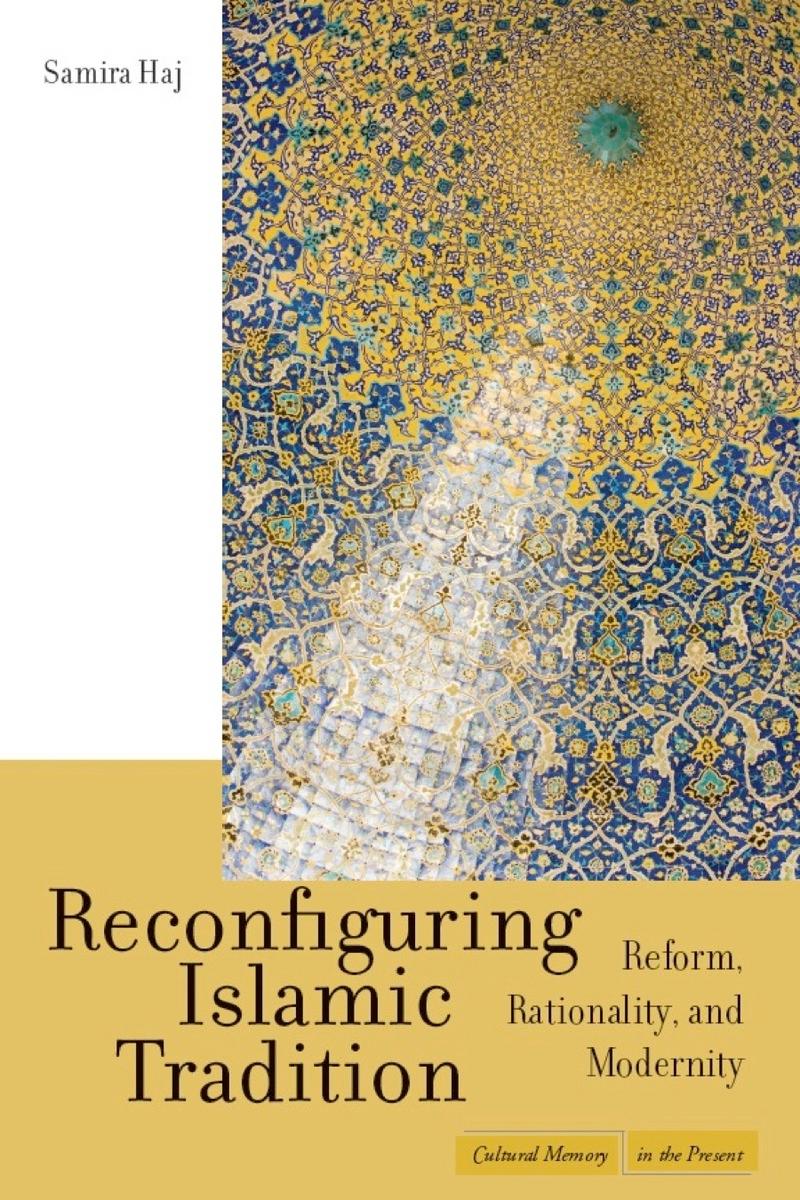
Samira Haj conceptualizes Islam through a close reading of two Muslim reformers—Muhammad ibn 'Abdul Wahhab (1703–1787) and Muhammad 'Abduh (1849–1905)—each representative of a distinct trend, chronological as well as philosophical, in modern Islam. Their works are examined primarily through the prism of two conceptual questions: the idea of the modern and the formation of a Muslim subject. Approaching Islam through the works of these two Muslims, she illuminates aspects of Islamic modernity that have been obscured and problematizes assumptions founded on the oppositional dichotomies of modern/traditional, secular/sacred, and liberal/fundamentalist. The book explores the notions of the community-society and the subject's location within it to demonstrate how Muslims in different historical contexts responded differently to theological and practical questions. This knowledge will help us better understand the conflicts currently unfolding in parts of the Arab world.
Pay easily by card, Klarna, Apple Pay or Google Pay. Not happy? You always have a 14-day money-back guarantee. Read more in our terms. If you have any questions, email us at hello@memmo.org.
Memmo makes studying easier – wherever you are in the world. We bring your course books and smart study tools together in one place: summaries, quizzes, podcasts and flashcards. Plus Ted, your study buddy who answers anything you wonder. Over 50,000 students already study here – built to help you learn faster and stress less.