
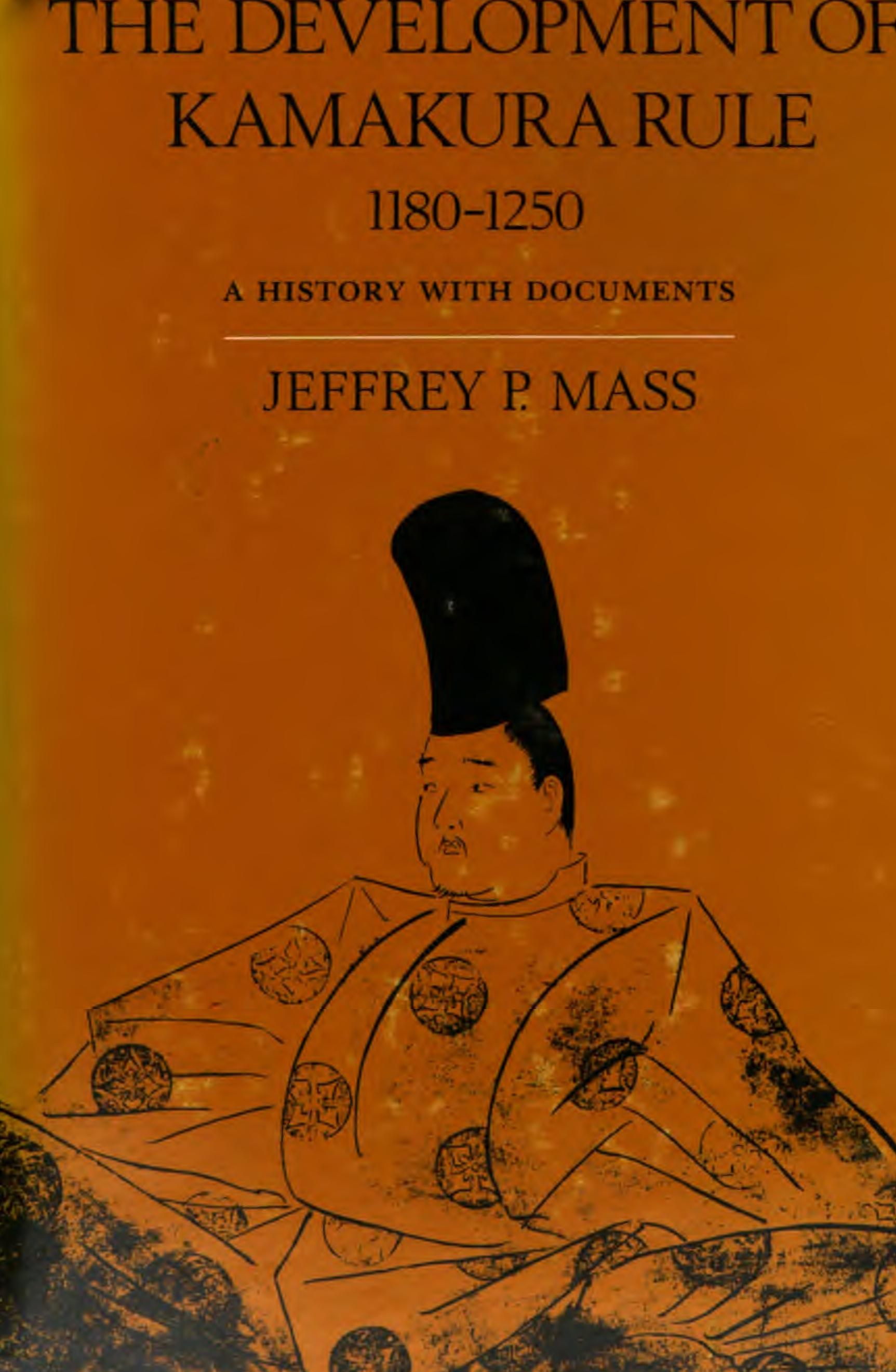
An examination of a formative period in medieval Japanese history, this study analyzes the origins and consequences of the Jōkyū War of 1221, a struggle of modest military proportions but of major political and legal importance. In defeating the traditional Court at Kyoto, the warrior government at Kamakura became the dominant national power; it subsequently created a highly efficient administration that gave Japan a century of social and political stability.
Crucial to the success of Kamakura rule was the development of a system of justice that has long been recognized as one of Japan's outstanding achievements. The author studies this system in detail, describing the forms and techniques for arbitrating disputes and showing exactly how suits were brought, expedited, and resolved.
The book includes annotated translations of 144 documents, a selection from the materials on which the book is based. These documents illuminate the changing power relationships after the Jōkyū War and the developing stages of the judicial process.
Pay easily by card, Klarna, Apple Pay or Google Pay. Not happy? You always have a 14-day money-back guarantee. Read more in our terms. If you have any questions, email us at hello@memmo.org.
Memmo makes studying easier – wherever you are in the world. We bring your course books and smart study tools together in one place: summaries, quizzes, podcasts and flashcards. Plus Ted, your study buddy who answers anything you wonder. Over 50,000 students already study here – built to help you learn faster and stress less.
You might also like
Buy the book0