
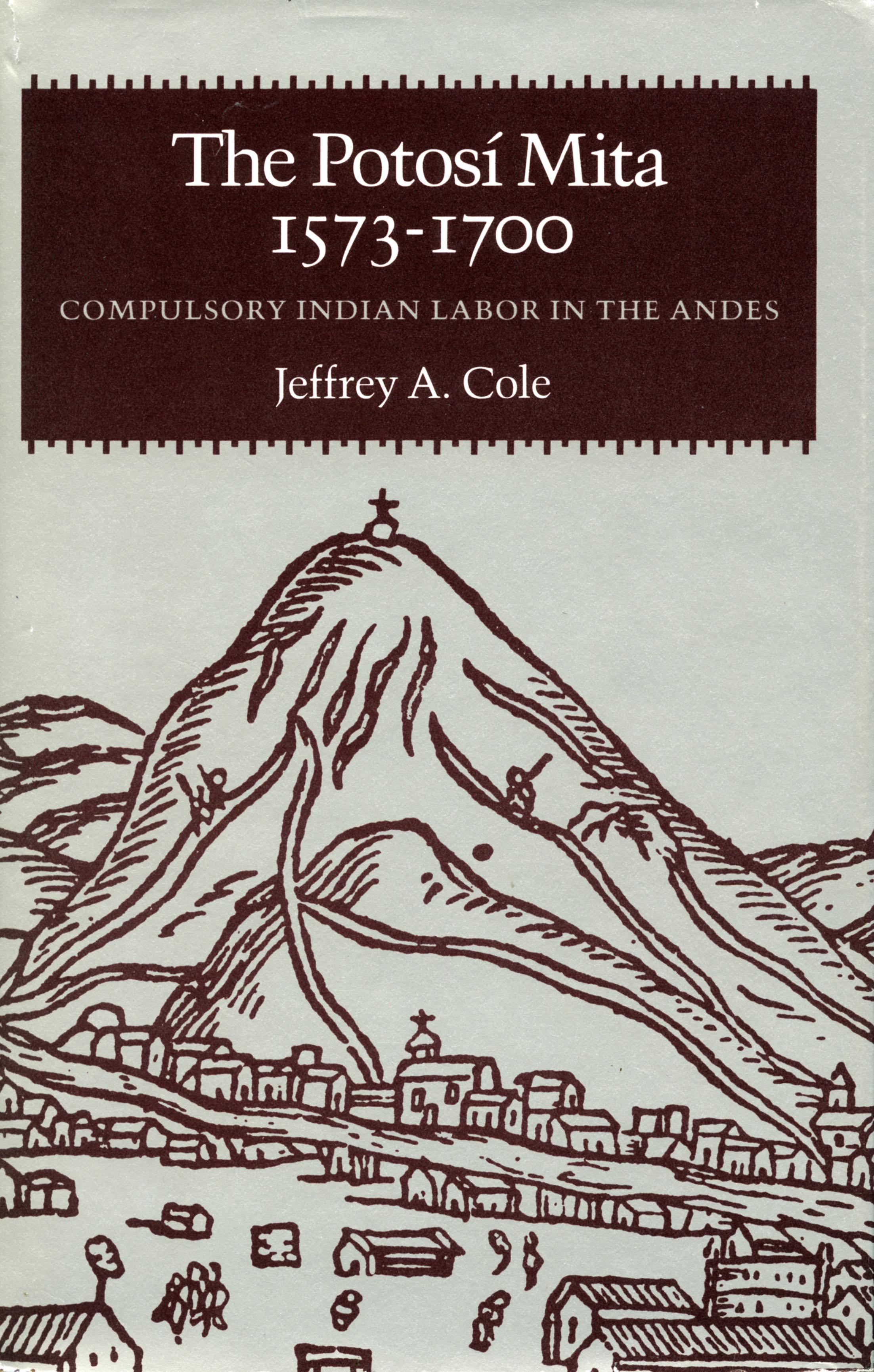
Potosí, a mining center in what is now Bolivia, was the most productive source of silver in the Spanish American Empire between the mid-1500's and the late seventeenth century. Much of this success was attributable, at least initially, to the mita, a system of draft Indian labor instituted by Viceroy Francisco do Toledo in 1573 for the working of the silver mines and refineries.
Bitter debate swirled around the mita during most of its 250-year history. It was assailed by its enemies as a form of servitude worse than slavery and accused of depopulating the provinces subject to it, yet it was supported by many, however reluctantly, who believed that the Spanish Empire depended on Potosí silver for its survival.
The author traces the evolution of the mita from its inception to the end of the Hapsburg epoch in 1700. The primary focus is on the metamorphosis of the mita under the pressures of changing production realities at Potosí and demographic developments in the provinces from which the Indians were drafted. The author describes the role of native headmen (kurakas) in the system, the means used by Indians to evade service, and the efforts of the mining guild to tailor the mita to its needs. The secondary focus is on the Hapsburg government's administration of the mita, especially those factors that prevented the Crown or its viceroys from being fully effective.
Pay easily by card, Klarna, Apple Pay or Google Pay. Not happy? You always have a 14-day money-back guarantee. Read more in our terms. If you have any questions, email us at hello@memmo.org.
Memmo makes studying easier – wherever you are in the world. We bring your course books and smart study tools together in one place: summaries, quizzes, podcasts and flashcards. Plus Ted, your study buddy who answers anything you wonder. Over 50,000 students already study here – built to help you learn faster and stress less.
You might also like
Buy the book0