
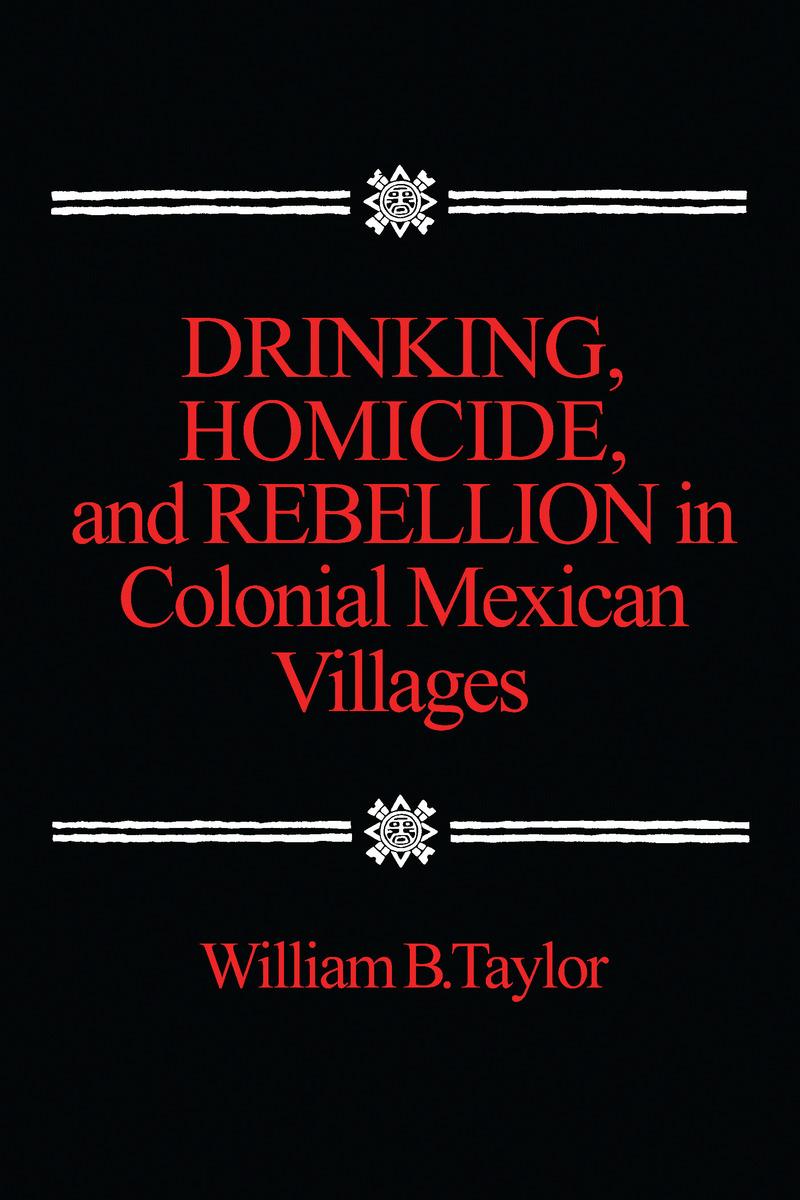
This study analyzes the impact of Spanish rule on Indian peasant identity in the late colonial period by investigating three areas of social behavior. Based on the criminal trial records and related documents from the regions of central Mexico and Oaxaca, it attempts to discover how peasants conceived of their role under Spanish rule, how they behaved under various kinds of street, and how they felt about their Spanish overlords.
In examining the character of village uprisings, typical relationships between killers and the people they killed, and the drinking patterns of the late colonial period, the author finds no warrant for the familiar picture of sullen depredation and despair. Landed peasants of colonial Mexico drank moderately on the whole, and mostly on ritual occasions; they killed for personal and not political reasons. Only when new Spanish encroachments threatened their lands and livelihoods did their grievances flare up in rebellion, and these occasions were numerous but brief. The author bolsters his conclusions with illuminating comparisons with other peasant societies.
Pay easily by card, Klarna, Apple Pay or Google Pay. Not happy? You always have a 14-day money-back guarantee. Read more in our terms. If you have any questions, email us at hello@memmo.org.
Memmo makes studying easier – wherever you are in the world. We bring your course books and smart study tools together in one place: summaries, quizzes, podcasts and flashcards. Plus Ted, your study buddy who answers anything you wonder. Over 50,000 students already study here – built to help you learn faster and stress less.