
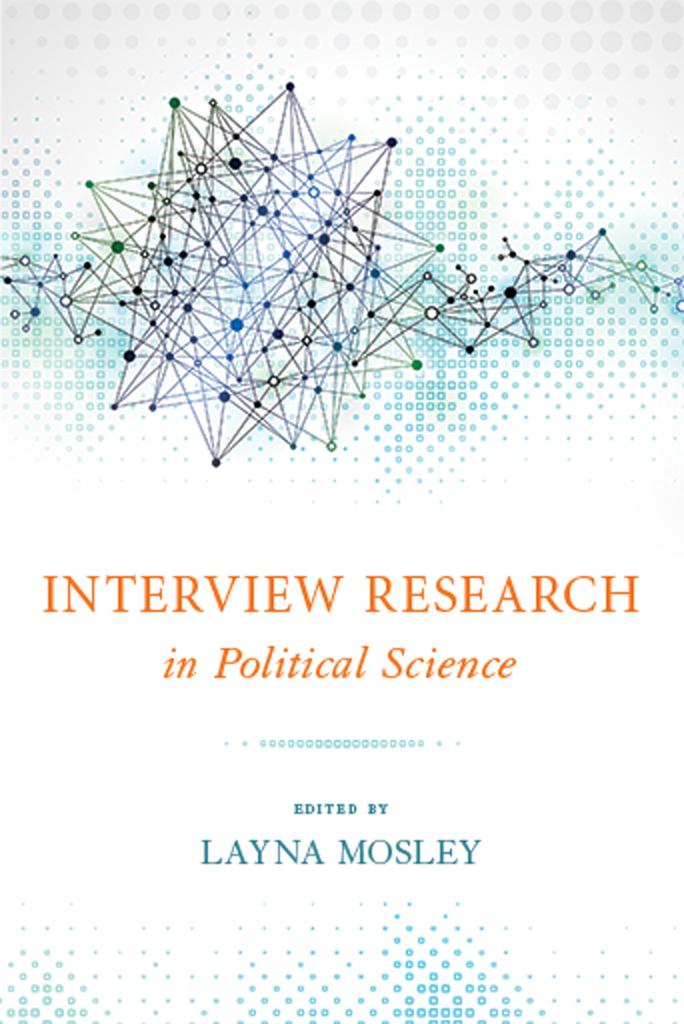
Interviews are a frequent and important part of empirical research in political science, but graduate programs rarely offer discipline-specific training in selecting interviewees, conducting interviews, and using the data thus collected. Interview Research in Political Science addresses this vital need, offering hard-won advice for both graduate students and faculty members. The contributors to this book have worked in a variety of field locations and settings and have interviewed a wide array of informants, from government officials to members of rebel movements and victims of wartime violence, from lobbyists and corporate executives to workers and trade unionists.
The authors encourage scholars from all subfields of political science to use interviews in their research, and they provide a set of lessons and tools for doing so. The book addresses how to construct a sample of interviewees; how to collect and report interview data; and how to address ethical considerations and the Institutional Review Board process. Other chapters discuss how to link interview-based evidence with causal claims; how to use proxy interviews or an interpreter to improve access; and how to structure interview questions. A useful appendix contains examples of consent documents, semistructured interview prompts, and interview protocols.
Pay easily by card, Klarna, Apple Pay or Google Pay. Not happy? You always have a 14-day money-back guarantee. Read more in our terms. If you have any questions, email us at hello@memmo.org.
Memmo makes studying easier – wherever you are in the world. We bring your course books and smart study tools together in one place: summaries, quizzes, podcasts and flashcards. Plus Ted, your study buddy who answers anything you wonder. Over 50,000 students already study here – built to help you learn faster and stress less.