
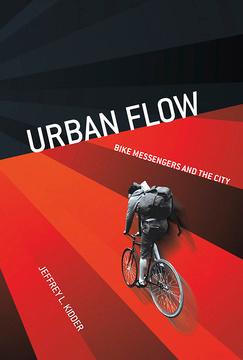
Bike messengers are familiar figures in the downtown cores of major cities. Tasked with delivering time-sensitive materials within, at most, a few hours—and sometimes in as little as fifteen minutes—these couriers ride in all types of weather, weave in and out of dense traffic, dodging (or sometimes failing to dodge) taxis and pedestrians alike in order to meet their clients' tight deadlines. Riding through midtown traffic at breakneck speeds is dangerous work, and most riders do it for very little pay and few benefits. As the courier industry has felt the pressures of first fax machines, then e-mails, and finally increased opportunities for electronic filing of legal "paperwork," many of those who remain in the business are devoted to their job. For these couriers, messengering is the foundation for an all-encompassing lifestyle, an essential part of their identity. In Urban Flow, Jeffrey L. Kidder (a sociologist who spent several years working as a bike messenger) introduces readers to this fascinating subculture, exploring its appeal as well as its uncertainties and dangers.
Through interviews with and observation of messengers at work and play, Kidder shows how many become acclimated to the fast-paced, death-defying nature of the job, often continuing to ride with the same sense of purpose off the clock. In chaotic bike races called alleycats, messengers careen through the city in hopes of beating their peers to the finish line. Some messengers travel the world to take part in these events, and the top prizes are often little more than bragging rights. Taken together, the occupation and the messengers' after-hours pursuits highlight a creative subculture inextricably linked to the urban environment. The work of bike messengers is intense and physically difficult. It requires split-second reflexes, an intimate knowledge of street maps and traffic patterns, and a significant measure of courage in the face of both bodily harm and job insecurity. In Urban Flow, Kidder gives readers a rare opportunity to catch more than a fleeting glimpse of these habitués of city streets.
Pay easily by card, Klarna, Apple Pay or Google Pay. Not happy? You always have a 14-day money-back guarantee. Read more in our terms. If you have any questions, email us at hello@memmo.org.
Memmo makes studying easier – wherever you are in the world. We bring your course books and smart study tools together in one place: summaries, quizzes, podcasts and flashcards. Plus Ted, your study buddy who answers anything you wonder. Over 50,000 students already study here – built to help you learn faster and stress less.