
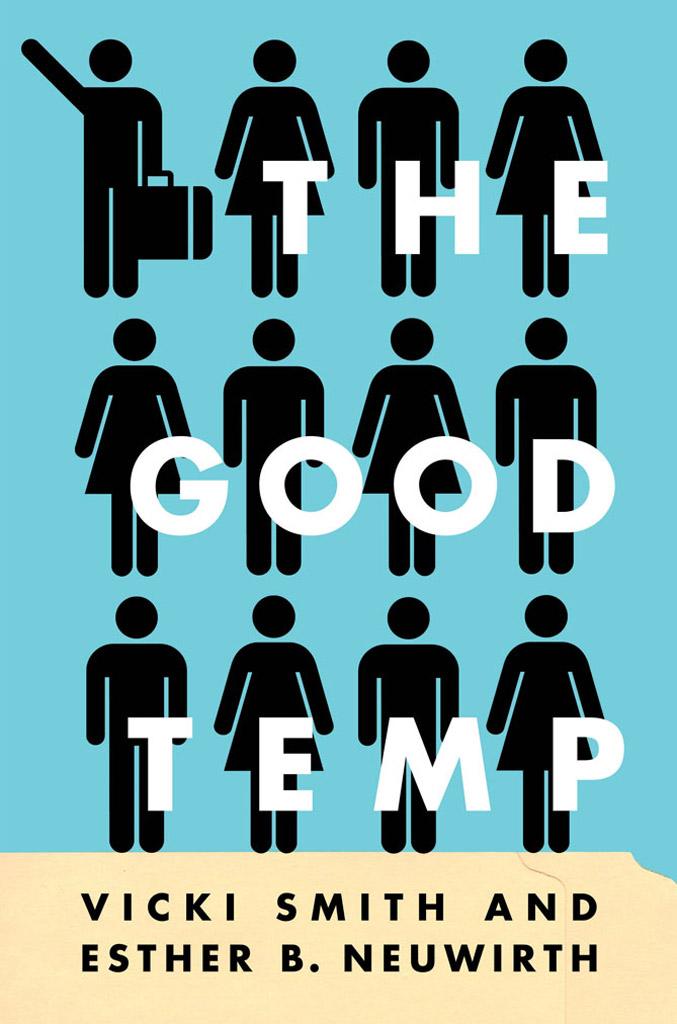
Temporary agencies place approximately two and a half million people in jobs each day in the United States. Every year, about twelve million people use these placement agencies to find temporary work. Many Americans, even those who desire permanent jobs, decide to enter the labor market through the portal of temporary agencies. Compared with the post-World War II era, when it was a marginal labor practice, temporary employment is today an entrenched feature of jobs and labor markets. How have temporary employment relationships become so widespread and normalized? In The Good Temp, Vicki Smith and Esther B. Neuwirth provide some novel answers to this question.
Their provocative analysis is based on an insider's view of the interior dynamics of a temporary help agency in Silicon Valley. It incorporates a historical perspective on the rise of the temporary help service industry. Smith and Neuwirth document how this powerful industry not only created a new market for temporary labor but also played a fundamental role in the erosion of the permanent employment model. They analyze how agencies themselves came to manufacture and market this reinvented product-the good temp, an employee who is effective and efficient, committed, and sometimes preferable to a permanent staff member.
Joining extensive participant observation data with historical analysis, The Good Temp contains some surprising findings about temporary employment today and fills a significant gap in our understanding of this important labor relationship.
Pay easily by card, Klarna, Apple Pay or Google Pay. Not happy? You always have a 14-day money-back guarantee. Read more in our terms. If you have any questions, email us at hello@memmo.org.
Memmo makes studying easier – wherever you are in the world. We bring your course books and smart study tools together in one place: summaries, quizzes, podcasts and flashcards. Plus Ted, your study buddy who answers anything you wonder. Over 50,000 students already study here – built to help you learn faster and stress less.