
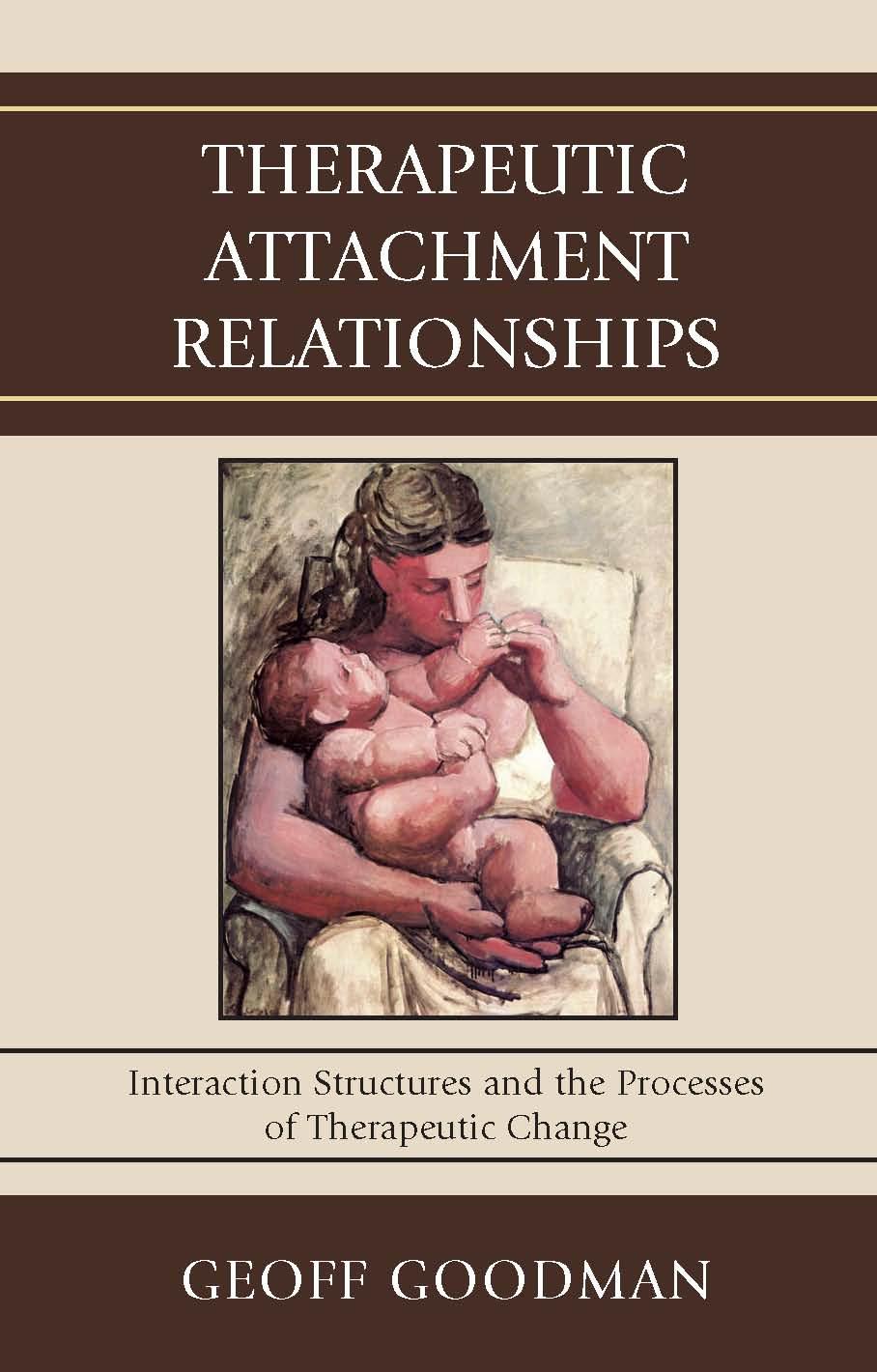
The 75 years that span the writings of Sigmund Freud and John Bowlby-two minds that have significantly shaped thinking about the processes of change in psychotherapy and psychoanalysis-have yielded dramatic changes in the ways in which we conceptualize human relationship as curative. Their different positions reflect changes in our culture, in the philosophy of science, and in contemporary views of human subjectivity. Heisenberg's uncertainty principle-the principle that the position of an electron cannot be determined because the observation of its position affects its position in an indeterminate way-has been appropriated as a metaphor for human interaction. Freud's foundational, technical recommendations, such as abstinence and neutrality, have yielded to mutuality and subjectivity within the therapist-patient dyad. Attachment theory and research have begun to specify the variety of therapist-patient interactions and the relation between the quality of these interactions and patient outcomes. The goal of this book is to contribute to our understanding of these interaction structures and their influence on therapeutic changes in the patient. Geoff Goodman invites the reader to consider the attachment relationship as an often-overlooked specific factor that nevertheless plays a key role in all therapeutic processes. Therapeutic Attachment Relationships explores the attachment relationship as an effective ingredient in all therapeutic change.
Pay easily by card, Klarna, Apple Pay or Google Pay. Not happy? You always have a 14-day money-back guarantee. Read more in our terms. If you have any questions, email us at hello@memmo.org.
Memmo makes studying easier – wherever you are in the world. We bring your course books and smart study tools together in one place: summaries, quizzes, podcasts and flashcards. Plus Ted, your study buddy who answers anything you wonder. Over 50,000 students already study here – built to help you learn faster and stress less.